
Fleet Street
Historic street in central London long associated with the British press, printing and publishing; named for the River Fleet and connecting the City of London with Westminster.
Overview
Fleet Street is a well-known thoroughfare in central London that historically linked the medieval City of London to the precincts of Westminster. The street takes its name from the River Fleet, a once visible stream that now runs largely underground beneath the modern city. For many decades Fleet Street was synonymous with the British national press and the printing trades, and its name remains a metonym for journalism in the United Kingdom.
Image gallery
10 Images
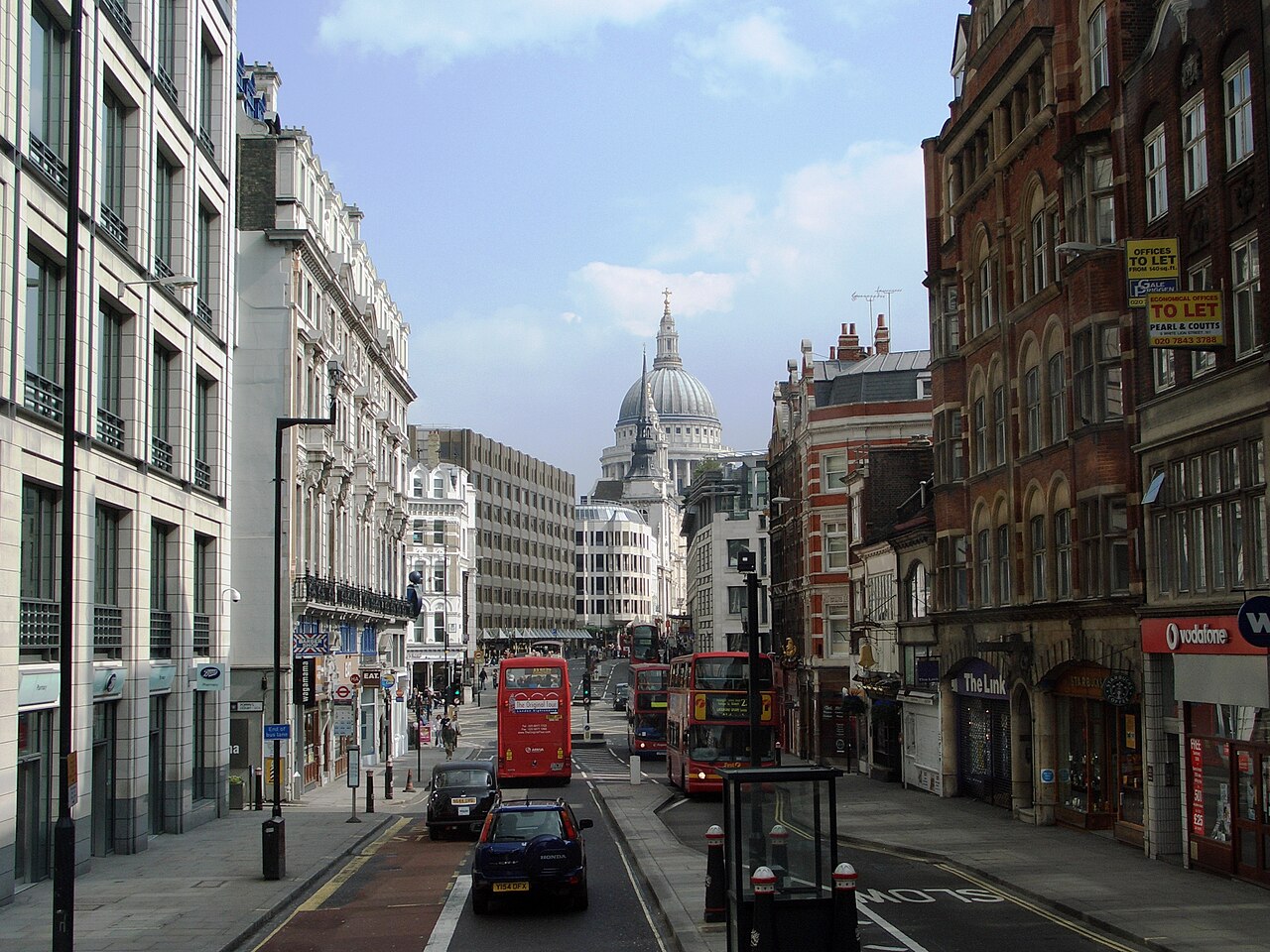
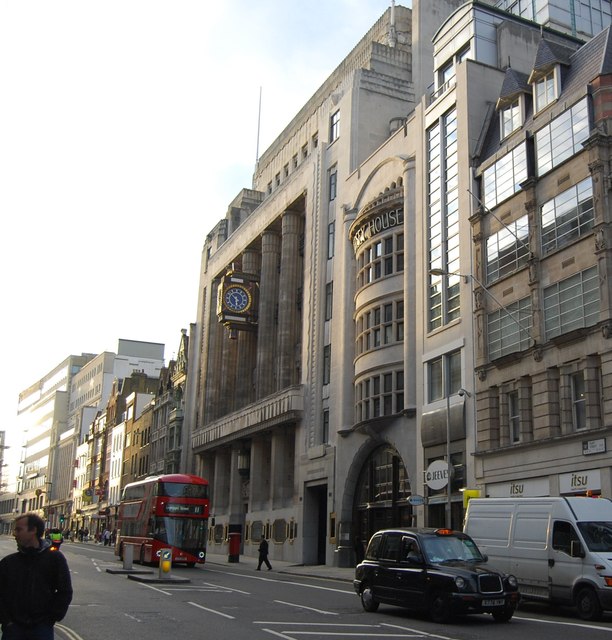

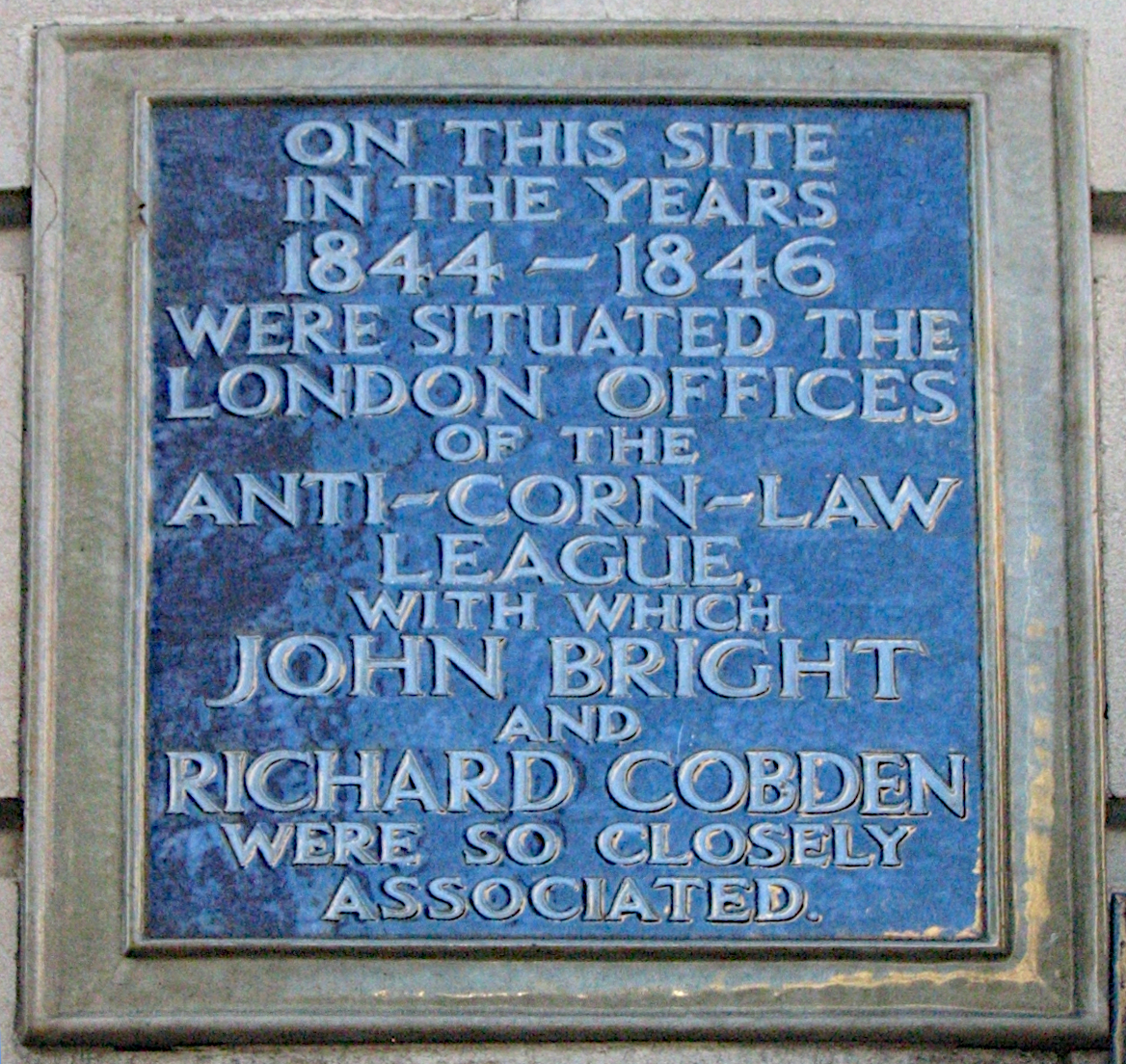


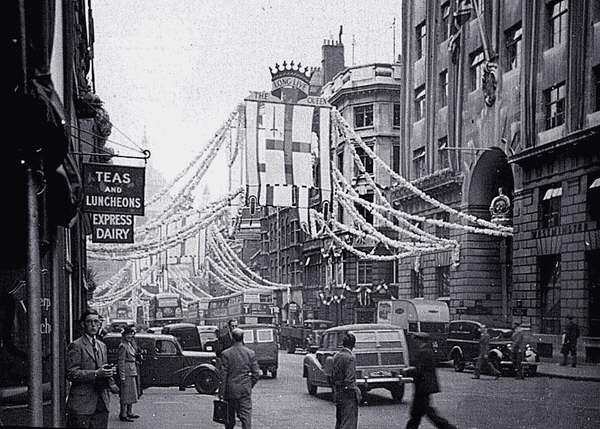

History and development
The street has medieval origins and is recorded from the 14th century as an important route between civic and royal centres. Over time the character of Fleet Street changed as craftsmen, bookbinders, printers and, eventually, newspapers and editorial offices clustered there. The concentration of printing and newsrooms made the street an industrial and cultural hub for information production until technological and economic shifts in the late 20th century led many publishers to relocate eastwards to areas such as Wapping.
Features and landmarks
Though many original printworks have gone, Fleet Street retains a number of notable sites associated with its past. St Bride's Church is traditionally linked with journalists and is often called the journalists' church. The subterranean River Fleet gives the area its name and has influenced street layout and local place names. Nearby are legal and financial districts, reflecting the street's position between the City and Westminster.
Legacy and cultural significance
Fleet Street's legacy extends beyond geography: the name endures as shorthand for national newspapers and reporting. Even after editorial offices moved to newer printing complexes farther east in the late 20th century, the phrase "Fleet Street" continues to be used in discussions of British journalism, press history and media culture. Annual events, memorials and professional gatherings still recall the street's role in the evolution of news production.
Key points
- Location: central London linking the City of London and Westminster.
- Origins: named for the River Fleet, visible in earlier centuries; recorded by the 14th century (River Fleet).
- Press heritage: once the centre of British newspaper and printing industries (newspapers), with many offices later moving east to Wapping.
- Further reading: general overview and maps are available at local history and city resources (Fleet Street).
Fleet Street today blends its historic fabric with modern offices, law firms and hospitality venues. Its name survives in common parlance as a symbol of the national press, even as the physical concentration of newspapers has dispersed across London.


See also
- Sweeney Todd
Related articles
Author
AlegsaOnline.com Fleet Street Leandro Alegsa
URL: https://en.alegsaonline.com/art/35070