
Charing Cross — historic landmark and central point in London
Charing Cross is a central London locality named for a medieval Eleanor Cross; it marks the traditional point for measuring distances from London and lends its name to nearby roads, a station and institutions.
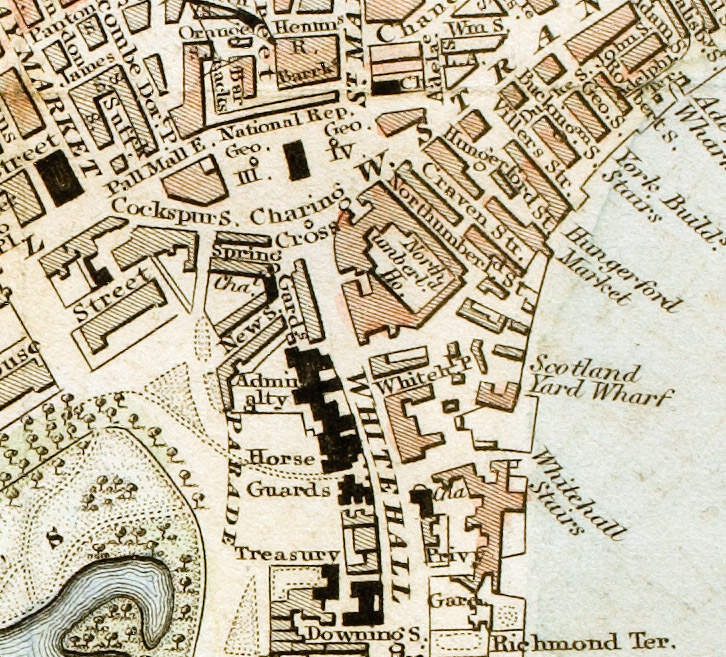
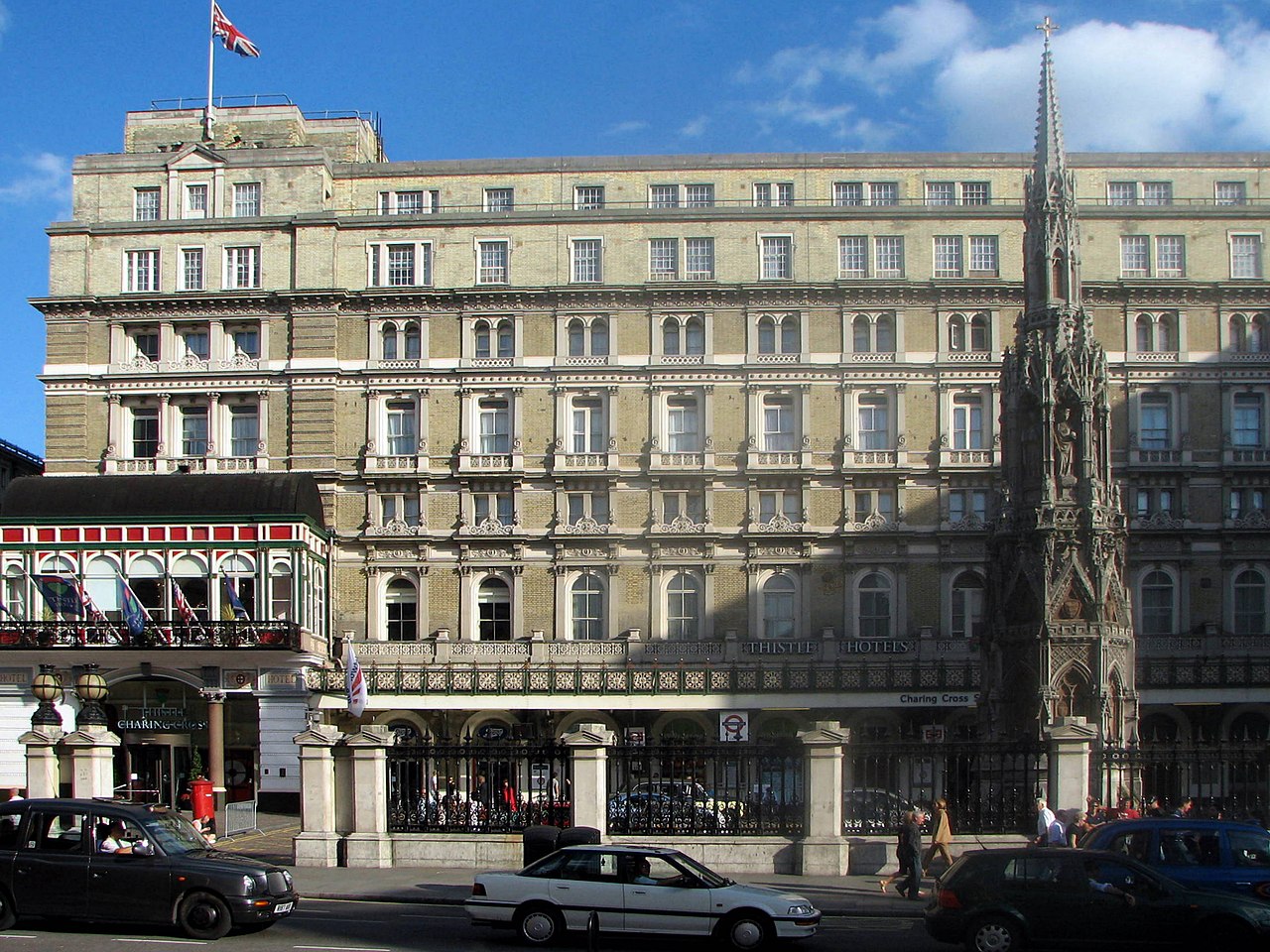
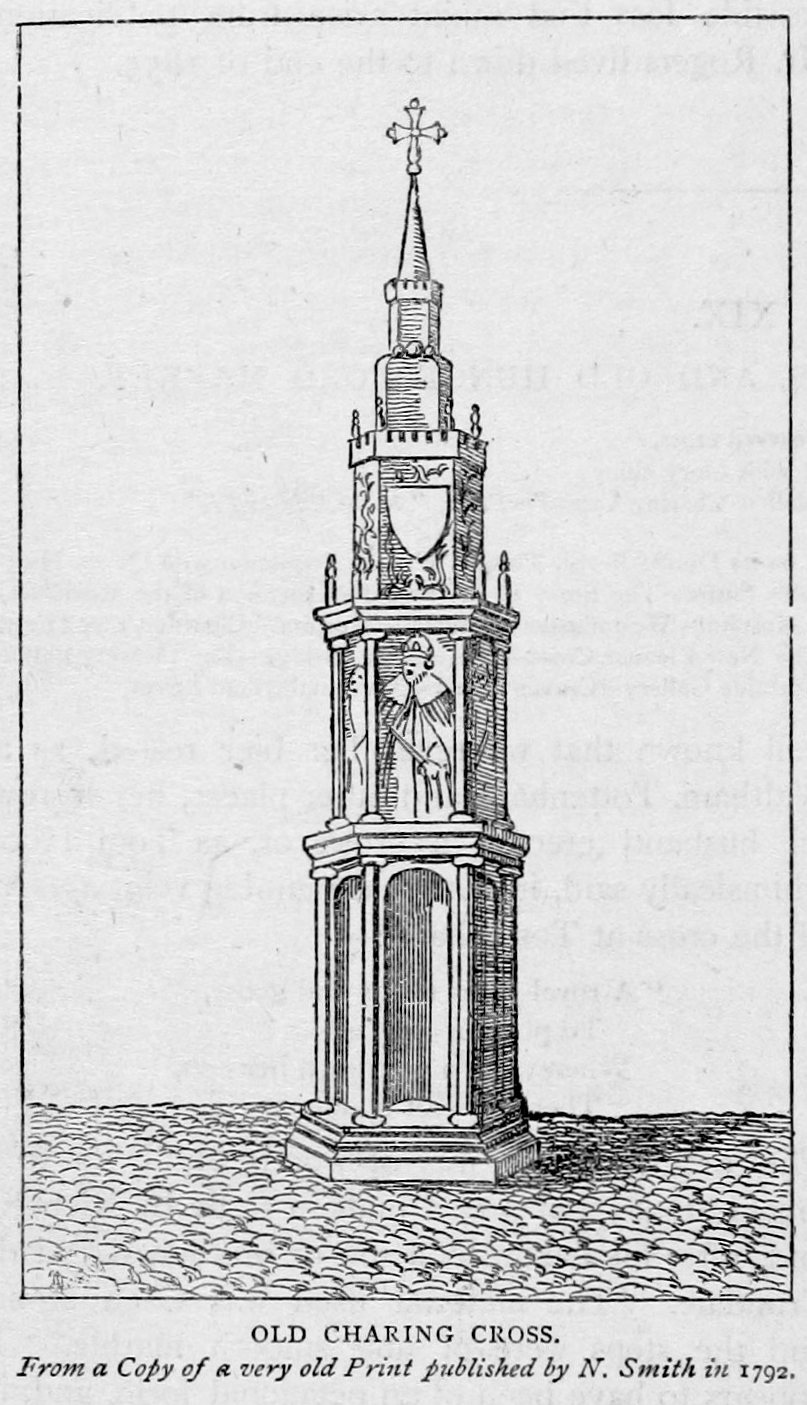
Charing Cross is a small but symbolically important area in central London, United Kingdom. It takes its name from a memorial cross originally erected on the site to mark the resting place of the body of Eleanor of Castile; that cross was one of a series commissioned by Edward I in memory of his wife Eleanor of Castile. Although the medieval monument itself no longer stands, the name survives and a later Victorian replacement cross occupies the forecourt of the nearby Charing Cross station.
Image gallery
10 Images






Location and modern character
Charing Cross sits at the junction of several principal streets and is closely linked to Trafalgar Square and the Strand. Today it functions as a transport hub and meeting point: the adjacent railway and Underground complex handle commuter and long-distance services, while the area around the station hosts shops, offices and civic buildings. The physical space has been reshaped repeatedly over centuries, yet it remains compact and easy to identify as the city's symbolic centre.
History and name
The place-name "Charing" is commonly believed to derive from an Old English word referring to a bend in the river. "Cross" commemorates the Eleanor Cross that once stood here as part of a chain of memorials marking the funeral progress of the queen. The original cross was damaged and eventually removed centuries later; the existing monument is a 19th-century Victorian reconstruction intended to evoke the medieval design and to mark the historic site.
Significance and uses
Charing Cross is best known as the traditional central point for measuring distances to and from London. For many administrative and cartographic purposes the notional centre of the metropolis is taken to be this spot, so distances shown on road signs and in some official contexts are calculated from Charing Cross. That symbolic role makes the location a convenient reference in travel, postal and civic contexts.
Namesakes and notable places
- Charing Cross station — the rail and Underground complex adjacent to the memorial, frequently referred to simply as "Charing Cross" (station details).
- Charing Cross Road — a thoroughfare known for bookshops and theatres that connects to the area.
- Charing Cross Hospital — a medical institution whose name reflects historic links to the locality (hospital).
- Charing Cross Bridge and other local features that carry the name and highlight its role in London's geography.
While compact in size, Charing Cross has an outsized cultural and administrative presence. It sits at the intersection of history and daily life in central London, serving both as a reminder of medieval royal ritual and as a practical point of orientation for modern travel and mapping. Visitors encountering the Victorian cross, the transport interchanges and the surrounding streets are seeing layers of urban development that have preserved the site's identity even as the city around it has changed.
Questions and answers
Q: What is Charing Cross?
A: Charing Cross is an area in London, United Kingdom.
Q: What is the significance of Charing Cross?
A: Charing Cross marks the site of the Eleanor Cross, Edward I's memorial to his wife Eleanor of Castile. Today, it marks the central point for measuring distances from London.
Q: Where is the replacement cross located?
A: The replacement cross stands in the forecourt of Charing Cross station.
Q: What other places in London have been named after Charing Cross?
A: Charing Cross Hospital, Charing Cross bridge and Charing Cross Road have been named after Charing Cross.
Q: Was Charing Cross a main route for traffic?
A: Yes, Charing Cross Road was at one time a main route for traffic, bypassing the actual cross.
Q: What is the significance of Charing Cross as the "centre of London"?
A: Charing Cross is the point from which distances from London are calculated and is therefore the notional "centre of London".
Q: Who was Eleanor of Castile?
A: Eleanor of Castile was the wife of Edward I, and the Eleanor Cross was a memorial created by him in her honor, which now marks the site of Charing Cross in London.
Related articles
Author
AlegsaOnline.com Charing Cross — historic landmark and central point in London Leandro Alegsa
URL: https://en.alegsaonline.com/art/18660
Sources
- british-history.ac.uk : Shaftesbury Avenue and Charing Cross Road