
City of Westminster
Central London borough that contains the UK Parliament, principal royal residence, historic churches, government offices and major cultural and commercial districts.
Overview
The City of Westminster is a central London borough and a ceremonial city that occupies much of the area immediately west of the historic financial district. It contains the political and symbolic heart of the United Kingdom, combining government institutions, royal residences, historic churches, theatres, shopping streets and dense commercial development. The borough combines civic functions with a large residential population and heavy daily visitor traffic.
Image gallery
10 Images


Geography and principal areas
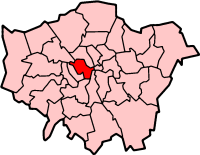
Westminster spans several well known neighbourhoods and thoroughfares. Its core includes the district commonly called Westminster, but the borough also embraces areas such as Westminster's government quarter, the West End entertainment and shopping zone, and a series of residential enclaves. It lies immediately to the west of the City of London; many descriptions contrast the borough with the nearby City of London.
- Political and administrative centre: the Houses of Parliament and parliamentary precincts are in the borough.
- Government offices: the Whitehall corridor and key ministries are clustered here (Whitehall).
- Executive residence: the official residence of the prime minister at Downing Street and other government residences are located in the borough.
- Religious and ceremonial sites: important churches such as Westminster Abbey are sited here.
History and development
The area now administered as the City of Westminster has a long history as a royal and religious centre, with medieval origins around ecclesiastical institutions and the monarchy. Over centuries it grew into a mixed urban zone where state institutions, courts, theatres and aristocratic townhouses developed. Modern Westminster is the product of that layered past, with Victorian rebuilding, 20th-century administrative reform and contemporary commercial redevelopment all visible in its streets.
Functions, importance and notable sites
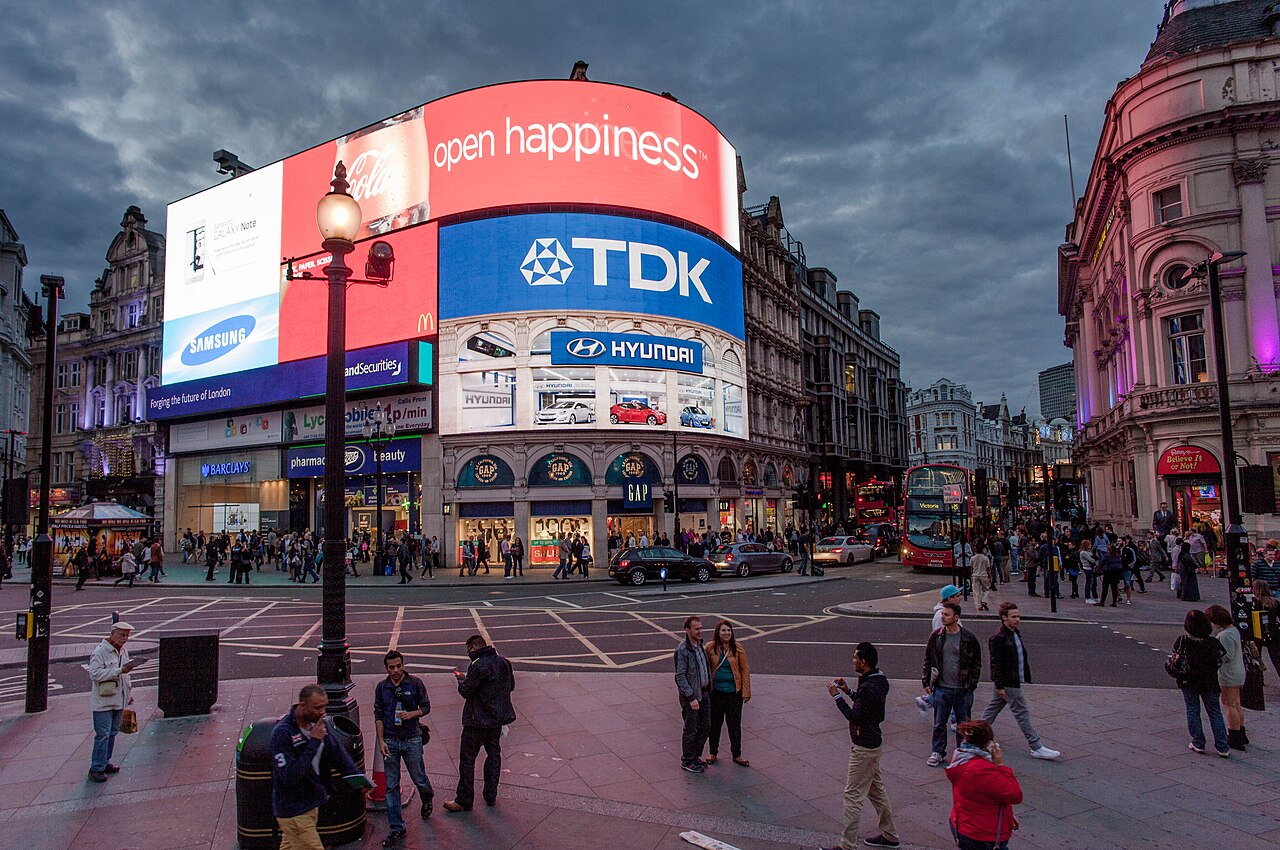
Westminster serves multiple national roles: it is the seat of the UK Parliament, the location for central government departments, and the site of major royal functions. Prominent landmarks include the Palace of Westminster (the Houses of Parliament), the royal residence of Buckingham Palace and the abbey where coronations and state ceremonies occur. The borough also contains significant cultural venues, museums and the entertainment district known as the West End, making it both a political centre and a global tourist destination.
Distinctive facts and administration
Legally a London borough with city status, Westminster combines municipal responsibilities—education, planning and local services—with the management of national sites and heavy visitor flows. It is often referenced simply as "the City" or "Westminster" in political reporting and remains central to national ceremonies, royal events and state occasions. The area is associated with national leadership and ceremonial functions, including the British monarch's principal London residence, which symbolizes the constitutional role of the crown (the British monarch) and state life across the United Kingdom. For maps and official resources see local government pages and tourist information (city).
Related articles
Author
AlegsaOnline.com City of Westminster Leandro Alegsa
URL: https://en.alegsaonline.com/art/20562