
Covent Garden — London’s piazza, market and cultural quarter
Historic central London district centered on a 17th‑century piazza: once a major fruit, vegetable and flower market, now a theatre, shopping and dining hub with notable heritage buildings.
Covent Garden is a well‑known district in central London, occupying a prominent position between the West End and the City of London. It sits north of the Strand and east of Trafalgar Square, and grew up around a public square originally laid out in the early 17th century. The piazza’s long‑standing identity combines formal architecture, market activity and a dense concentration of theatres, restaurants and specialist shops.
Image gallery
10 Images



Layout and notable buildings
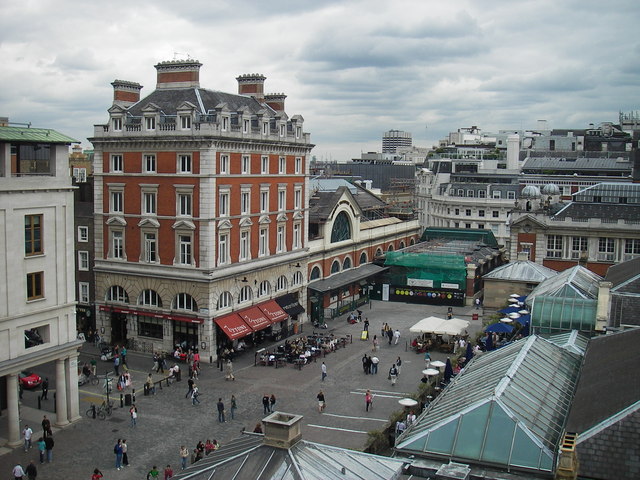
The central piazza and the former market hall form the physical and visual heart of the area. The market building preserves a glass roof supported by painted cast iron spans and has been adapted for retail and leisure while retaining its nineteenth‑century industrial character. Nearby major institutions include the Royal Opera House, home to companies of ballet and opera, and a number of West End theatres clustered along adjoining streets. Theatre restoration and ongoing use of historic playhouses give the quarter its strong performing‑arts identity.
History and development
Originally the site of monastery gardens, the area was developed in the 1600s as one of London’s first planned squares. For centuries it operated as a vibrant open market specialising in fruit, vegetables and flowers, drawing traders and buyers from across the city. The market quarter was also known for its dense mix of social venues and lodging houses, including public houses and coffee‑houses, and for some seedier trades in earlier periods.
From wholesale market to leisure quarter
Wholesale trading eventually moved away from the central square to purpose‑built premises elsewhere, and the old market buildings were redeveloped for retail, dining and cultural uses. Today the piazza and adjacent streets host artisan stalls, high‑street shops and permanent boutiques alongside restaurants and bars. Regular street performers and seasonal markets continue the area’s long tradition of lively public activity.
Culture, performance and law enforcement history
Covent Garden’s theatrical role is anchored by the Royal Opera House and many smaller playhouses; rehearsal spaces and costume workshops support national and international productions. The neighbourhood has historic links to law enforcement and policing: Bow Street was the base of the early Bow Street Runners, one of London’s first professional policing groups, and the famous Bow Street Magistrate’s Court once handled notable criminal inquiries. Theatre restoration projects have involved public and private patrons, including figures such as Andrew Lloyd Webber, who have invested in preserving performance venues.
Attractions and visitor experience
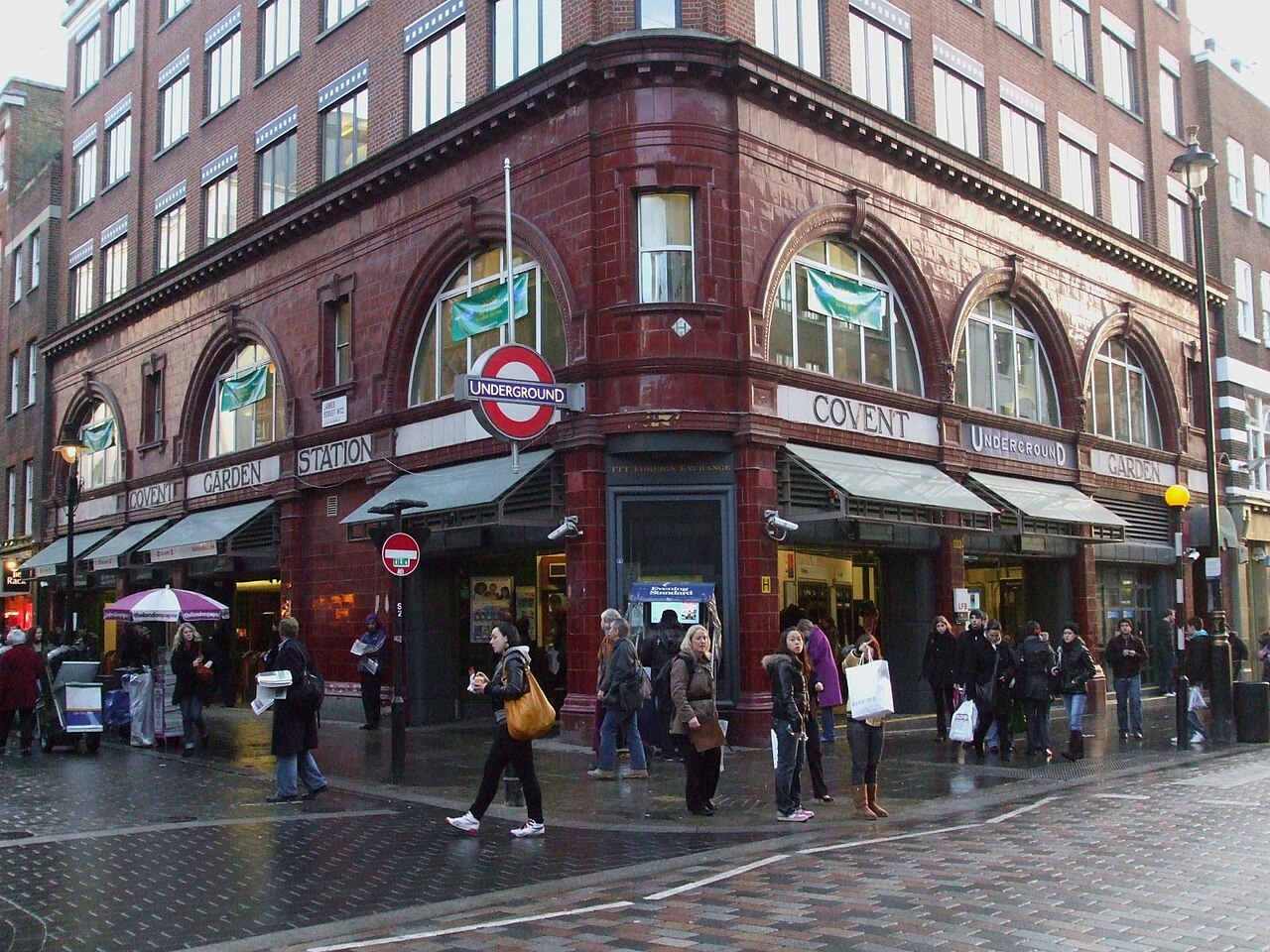
Visitors come for a mix of architecture, shopping, food and live entertainment. Open‑air markets and specialist indoor market spaces echo the district’s trading past while local taverns and cafés recall its social history. The area’s compact streets provide easy access to neighbouring attractions and transport routes in the West End and towards the City of London. For further context on nearby sites see links to popular places such as Trafalgar Square and the wider theatre district.
Quick facts and highlights
- Formerly a wholesale market for produce including fruit, vegetables and flowers.
- Historic social life included taverns, coffee‑houses and other entertainments; the area also had a reputation for prostitution in past centuries.
- Conservation of market architecture features the iconic cast‑iron and glass structures integrated into modern uses.
- Performance and rehearsal activity is concentrated around the Royal Opera House with dedicated rehearsal facilities.
Covent Garden remains one of London’s most visited neighbourhoods, where historic layers of commerce, performance and urban life are visible side by side. Whether for theatre, shopping, dining or simply watching street artists in the piazza, the area continues to be a focal point of central London.
Questions and answers
Q: Where is Covent Garden located?
A: Covent Garden is located in London, between the West End and the City of London. It is north of The Strand and east of Trafalgar Square.
Q: What was Covent Garden used for in the past?
A: Once, Covent Garden was used as a huge fruit, vegetable and flower market with many taverns, theatres, coffee-houses, prostitutes and brothels.
Q: What is Covent Garden now known as?
A: Covent Garden is now a huge commercial area and "tourist trap".
Q: What was the main use of the Royal Opera House in Covent Garden?
A: The Royal Opera House in Covent Garden was the main theatre for ballet and opera in London.
Q: What is the significance of Bow Street to Covent Garden?
A: Bow Street is a boundary road to Covent Garden, and it was the road where the original police force of London, the Bow Street Runners, was formed in the 1740s.
Q: What was the Bow Street Magistrate's Court?
A: The Bow Street Magistrate's Court was one of the most famous criminal courts in London until it was closed in 2006.
Q: What is going to be done with the Bow Street Magistrate's Court building?
A: The Bow Street Magistrate's Court building is going to be turned into a boutique hotel.
Related articles
Author
AlegsaOnline.com Covent Garden — London’s piazza, market and cultural quarter Leandro Alegsa
URL: https://en.alegsaonline.com/art/23687