
Thebes (Greece): City of Boeotia, ancient power and archaeological site
Thebes is a city in central Greece, historically important in Mycenaean and classical eras. Known for myths, Linear B finds, and the 4th-century BC Theban hegemony after Leuctra, it remains an archaeological and regional center.
Overview
Thebes is a city in central Greece and the traditional capital of the region of Boeotia. Located near the border with Attica, the modern urban area combines town life, agricultural surroundings and archaeological sites. The contemporary municipality houses a population of roughly twenty thousand people and serves as a local commercial and administrative center. For regional orientation see Central Greece and the nearby Boeotia–Attica border.
Image gallery
10 Images


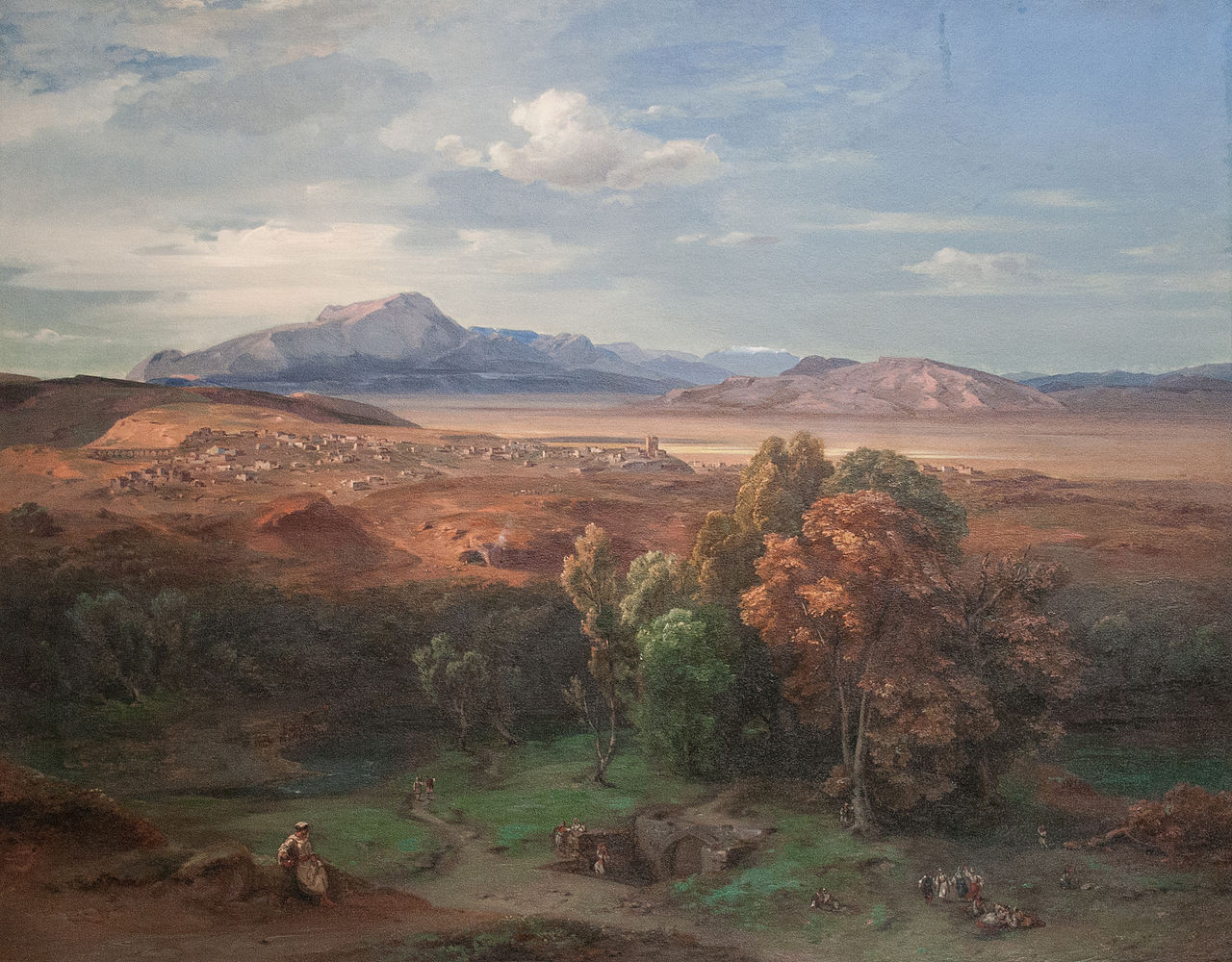

Ancient origins and archaeology
The site of Thebes has a long occupational history. Excavations by archaeologists have uncovered remains from the Bronze Age, including evidence of a Mycenaean settlement Mycenaean in character. Clay tablets and inscribed fragments discovered in the area include administrative records written in Linear B, and other pottery sherds and clay artifacts reflect intensive early activity (clay finds). The citadel, the Cadmea, and later classical remains mark Thebes as a continuous center from prehistory through antiquity.
Thebes in the classical period
In the classical age Thebes was a major Greek polis with a complex political life and frequent rivalries with neighbors such as Sparta and Athens. Its most notable military and political ascendancy came in the 4th century BC under leaders and generals who challenged Spartan dominance. The turning point was Thebes' decisive victory over the Spartans at the Battle of Leuctra in 371 BC, a defeat that undermined Spartan hegemony and briefly elevated Thebes as the leading Greek power. The conflict with the Spartans and the significance of Leuctra are central episodes in classical Greek history.
Myth, culture, and later history
Thebes appears throughout Greek myth and drama, associated with figures such as Cadmus, Oedipus and the tragedies of the Seven Against Thebes. In later history the city suffered when it opposed larger Macedonian and Hellenistic forces; most famously Thebes revolted against Alexander the Great and was destroyed in 335 BC, an event that dramatically reduced its influence though the settlement was later reestablished. These layers — mythic, classical, Hellenistic — make Thebes a rich subject for literary and historical study.
Modern importance and visiting
Today Thebes combines municipal services, farming in the surrounding plain and active archaeological work. Visitors can explore ruins of the Cadmea, museum collections and ongoing excavations that illuminate Bronze Age and classical phases. The city's history is often introduced in studies of Mycenaean administration, the emergence of the classical polis, and the shifting balance of power among Greek city-states. Further reading and regional guides may be found via local resources and general overviews of Central Greece and Boeotia; introductory archaeological summaries appear through professional outlets and educational sites (archaeological reports, Mycenaean studies).
Notable distinctions
- Archaeological continuity: occupation from the Bronze Age to modern times with Linear B evidence.
- Military and political role: leader of a brief Theban hegemony after Leuctra.
- Myth and literature: frequent setting for Greek tragedies and legends.
- Destruction and revival: dramatic events in 335 BC shaped its later course.
For maps, site inventories, and further context see regional and archaeological summaries linked from authoritative portals and educational resources (artifact reports, epigraphic collections, military histories, battle studies).
Related articles
Author
AlegsaOnline.com Thebes (Greece): City of Boeotia, ancient power and archaeological site Leandro Alegsa
URL: https://en.alegsaonline.com/art/99182