
West End of London: central district of culture, commerce and theatre
The West End is central London's historic commercial and cultural district, home to major theatres, shopping streets, tourist attractions and high-value offices. It originated in the early 19th century west of Charing Cross.
Overview
The West End of London, commonly called the West End, is a central district known for its concentration of theatres, shops, offices and visitor attractions. The term historically refers to the parts of the city that developed to the west of Charing Cross and, from the early 19th century onward, became fashionable residential and commercial areas. Today the West End functions as one of London's principal centres for culture, retail and business, and it is identified in strategic planning documents such as the London Plan as an international centre.
Image gallery
8 Images



Characteristics and functions
The West End combines multiple roles within a relatively compact area. It is home to a dense network of commercial theatres known collectively as the West End theatres, a wide range of shops from flagship department stores to specialist boutiques, corporate headquarters and professional services, and numerous tourist destinations. Office rents in the West End are among the highest in the world, reflecting strong demand for centrally located space.
Geography and notable districts
The West End is not defined by a single administrative boundary; instead it overlaps parts of several city boroughs and includes well-known districts and squares. Key areas associated with the West End include:
- Mayfair — luxury shops, hotels and private residences
- Soho — entertainment, dining and nightlife
- Covent Garden — markets, theatres and street performance
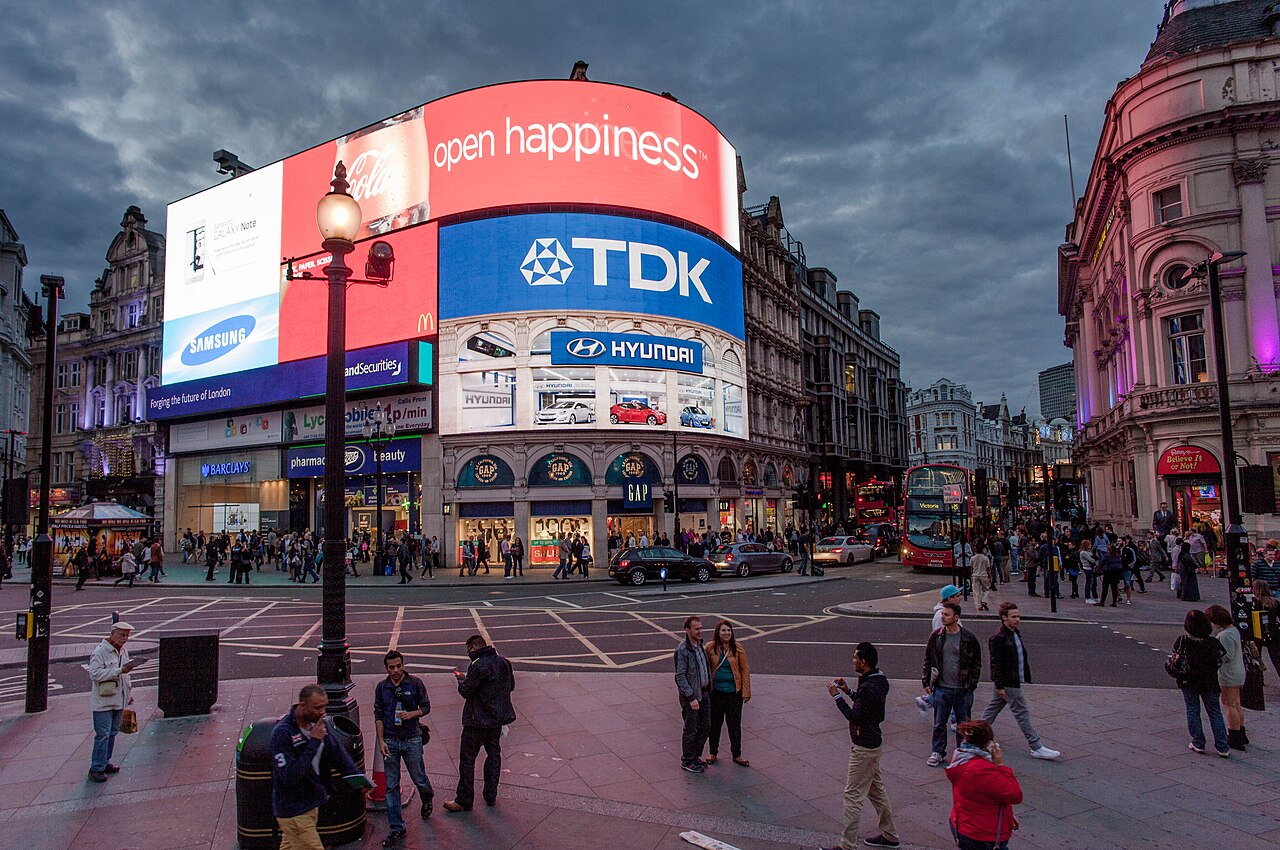
- Piccadilly Circus and Regent Street — major shopping and visual landmarks
- Trafalgar Square and the approaches to government and cultural institutions
History and development
The evolution of the West End began as London expanded beyond its medieval core. From the 18th century and especially into the 19th century, wealthier residents and businesses built residences, clubs and theatres to the west, creating an association with fashion and leisure. Over time residential terraces gave way to commercial streets, concert halls and entertainment venues, many of which remain focal points for visitors and local life.
Culture, economy and transport
Culturally, the West End is synonymous with large-scale commercial theatre in the English-speaking world, drawing both domestic and international audiences. Economically, it supports retail, hospitality and professional services and acts as a major employment centre. The area is very well connected by public transport, with numerous Underground stations and bus routes serving its streets, making it accessible to commuters and tourists alike.
Significance and distinctions
The West End's mix of entertainment, high-street and high-value office space distinguishes it from other London centres. While similar in some ways to the City of London as a financial hub, the West End is especially associated with leisure and cultural activity. For visitors planning to explore central London, introductory guides and maps often treat the West End as a primary area of interest; for further practical information see general resources on the West End.
Related articles
Author
AlegsaOnline.com West End of London: central district of culture, commerce and theatre Leandro Alegsa
URL: https://en.alegsaonline.com/art/107363
Sources
- london.gov.uk : The London Plan: the sub regions
- cnbc.com : "The world's most expensive office rents"