
Sy Oliver: Jazz Arranger, Composer and Trumpeter
Profile of Sy Oliver, the influential American jazz arranger, trumpeter, composer and bandleader who shaped swing-era big bands and arranged for major singers and orchestras.
Overview
Melvin James "Sy" Oliver (born December 17, 1910 in Battle Creek; died May 28, 1988 in New York City) was an American jazz arranger, trumpeter, composer, singer and band leader. He is best known for his work in the swing era where his writing and arranging helped move large ensembles toward a more modern big-band sound. Oliver combined rhythmic drive, inventive voicings and a strong sense of melody to create charts that were both popular and influential.
Image gallery
1 Image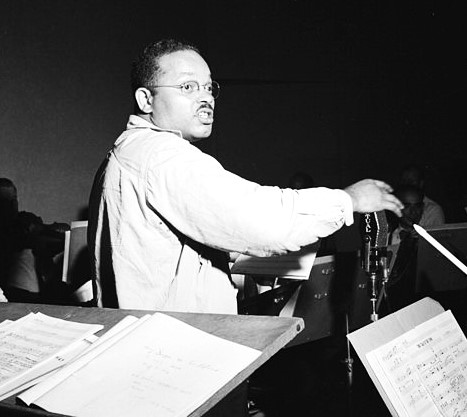
Early life and musical development
Oliver grew up in a musical household: his mother was a piano teacher and his father was a multi-instrumentalist who gained notice demonstrating saxophones at a time when the instrument was mostly heard in marching bands. Leaving home as a teenager, Oliver joined territory bands and small touring groups. He sang and played the trumpet, developing a distinctive, sometimes "growling" tone in his horn work, and began to arrange for the ensembles he worked with.
Rise to prominence: Lunceford and Dorsey
Oliver’s reputation as an arranger was established during his time with Jimmie Lunceford’s orchestra, which he joined in the early 1930s. His charts for Lunceford produced several popular numbers and helped define that band’s urbane, tightly written sound. In 1939 Oliver accepted a high-profile post with Tommy Dorsey’s orchestra. His hiring was notable because prominent arranging positions in major white bands were rarely given to African-American musicians at the time; another landmark hiring that year was Fletcher Henderson’s move to Benny Goodman.
At Dorsey’s, Oliver shifted the repertoire away from older, dixieland-derived patterns and toward a fuller swing-era approach. He stopped performing on trumpet while serving as Dorsey’s chief arranger, concentrating on writing and directing the band’s sound. Several of his arrangements and compositions became hits for Dorsey and helped launch or sustain the careers of band members.
Notable compositions and arrangements
- "T'ain't What You Do (It's the Way That You Do It)" — co-written and widely recorded, a playful and enduring swing-era tune.
- "Yes Indeed" — a gospel-tinged jazz number that crossed into popular and rhythm-and-blues repertoires (gospel influence) and was later associated with artists such as Ray Charles.
- "Opus One" and other instrumentals credited with helping define the Dorsey book.
- Arrangements for vocalists, including multiple charts for Ella Fitzgerald during her Decca years and for other leading singers of the period.
Later career and roles in the recording industry
After leaving Dorsey, Oliver worked freelance as an arranger and musical director. He held staff roles at Decca Records and contributed arrangements and direction for popular recordings. Notably he arranged the tribute album Frank Sinatra made honoring Tommy Dorsey, demonstrating the lasting musical link between the bandleaders and their arrangers. Oliver’s versatility made him sought-after for studio sessions, radio work and stage shows through the 1940s and 1950s.
Legacy and influence
Sy Oliver’s writing is recognized for its rhythmic vitality, clear voicing and tasteful use of dynamics. He bridged styles—bringing elements of blues, gospel and swing into polished big-band charts—and opened doors for other Black arrangers in commercial orchestras. Besides his work with Lunceford and Dorsey, Oliver collaborated with instrumentalists and singers in ways that helped standardize many arrangements still heard today. Late in life he resumed leading his own jazz band and even returned to the trumpet for performances into the 1980s.
Further reading and resources
For more on his life and music, consult dedicated jazz histories and discographies documenting his recordings, arrangements and the bands he shaped. Significant moments in his career are often referenced alongside the careers of bandleaders such as Jimmie Lunceford and Tommy Dorsey, and in broader studies of swing-era arranging and the evolution of big-band jazz. Additional primary-source materials and listening guides can be found via archival collections and recorded reissues.
Selected links: birthplace, death place, genre context, instrument, composition, vocals, leadership, family music, father’s role, saxophone history, marching band roots, playing style, arranged songs, vocal collaborations, contemporary hires, orchestral work, big-band shift, gospel link, later recordings, Sinatra tribute.
Questions and answers
Q: Who was Sy Oliver?
A: Sy Oliver was a jazz arranger, trumpeter, composer, singer, and band leader.
Q: Where was he born?
A: He was born in Battle Creek, Michigan.
Q: What instrument did his father play?
A: His father played the saxophone.
Q: What bands did Sy Oliver play with early in his career?
A: Early in his career he played with Zack Whyte and his Chocolate Beau Brummels and Alphonse Trent.
Q: What song is Sy Oliver most famous for writing?
A: He is most famous for co-writing the song "T'ain't What You Do (It's the Way That You Do It)" with Trummy Young.
Q: When did Sy join Jimmie Lunceford's band?
A: He joined Jimmie Lunceford's band in 1933.
Q: When did he become one of the first African Americans to have a prominent role in a white band?
A: In 1939 he became one of the first African Americans to have a prominent role in a white band when he joined Tommy Dorsey as an arranger.
Related articles
Author
AlegsaOnline.com Sy Oliver: Jazz Arranger, Composer and Trumpeter Leandro Alegsa
URL: https://en.alegsaonline.com/art/95568