
Saxophone: design, ranges, history, and musical roles
Overview of the saxophone: its construction, common voices and transpositions, development by Adolphe Sax, principal uses in classical, jazz and popular music, and notable players and techniques.
The saxophone is a single‑reed wind instrument usually made of brass and classified with the woodwind family because it produces sound with a vibrating reed. Players blow into a mouthpiece fitted with a reed to set the air column in motion; pitch and timbre are altered by opening and closing keys that cover tone holes along a tapered, conical bore. Although its exterior resembles brass instruments, the saxophone’s sound production and fingering link it to instruments like the clarinet, and its expressive range makes it a versatile solo and ensemble voice.
Image gallery
10 Images



Characteristics and components
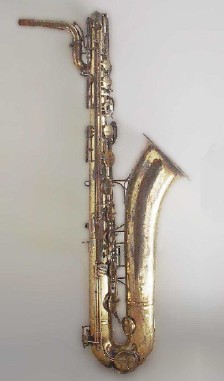
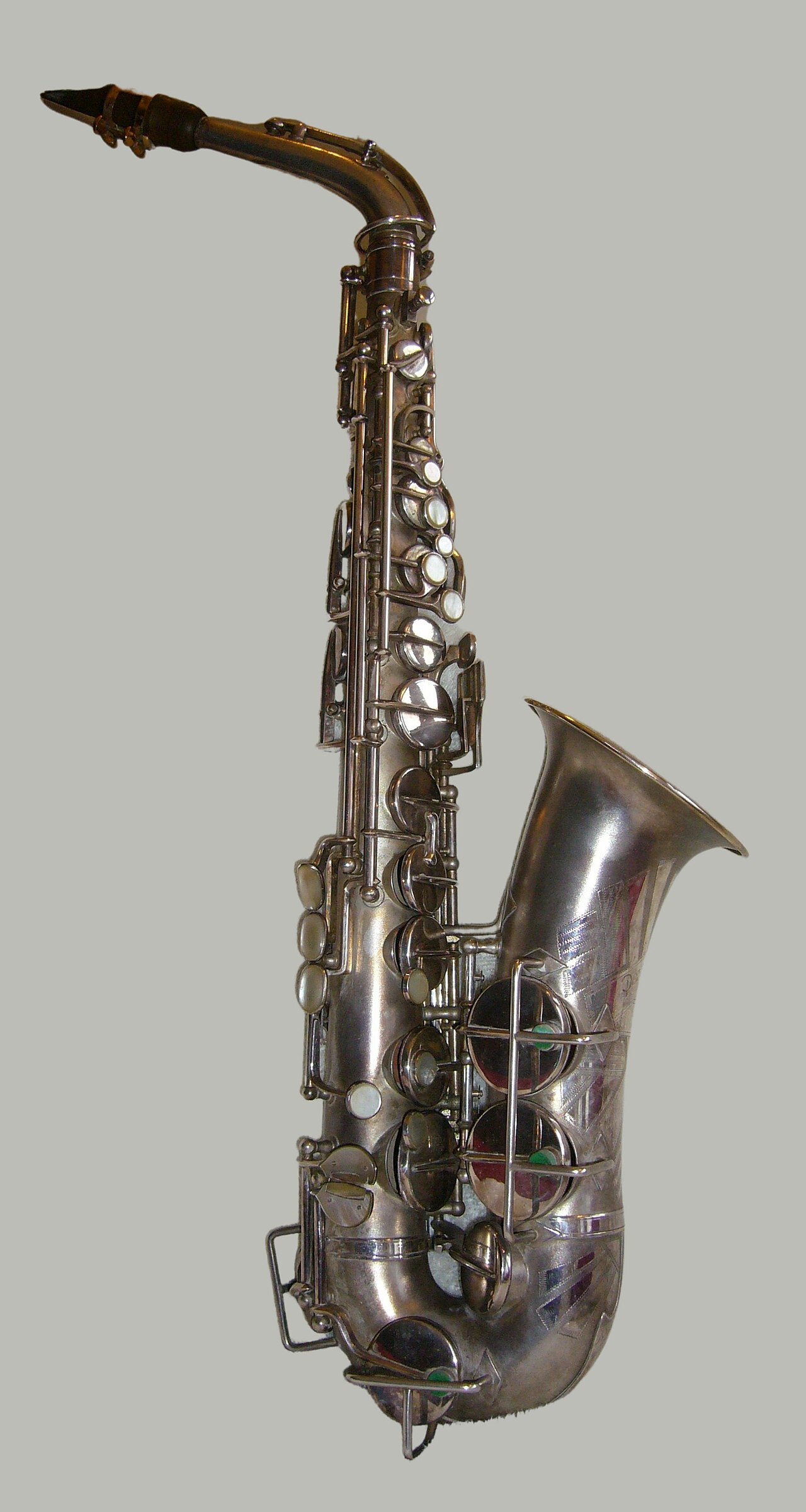
A typical saxophone consists of a mouthpiece, a ligature that secures the reed, a neck (or crook), a conical body with keywork, and a flared bell. The mouthpiece and the reed — often called a single reed — are critical determinants of tone. Key mechanisms operate pads that seal tone holes and extend the instrument’s chromatic range; modern saxophones normally have about twenty to twenty‑three keys. Players control timbre through embouchure (lip and jaw position), breath support and variations in mouthpiece, reed, and neck combination.
Voices, transposition and range
Saxophones are produced in a family of sizes. The four most common are soprano, alto, tenor and baritone. Less common but historically and musically important sizes include the sopranino (higher than soprano), the C‑melody (between alto and tenor), and the bass and contrabass (lower than baritone). Many saxophones are transposing instruments: for example, the alto is pitched in E♭ and the tenor in B♭, which affects how parts are written and read. A well‑trained performer can play the written range plus extended altissimo notes above the normal top register, giving the instrument a broad practical compass.
History and development
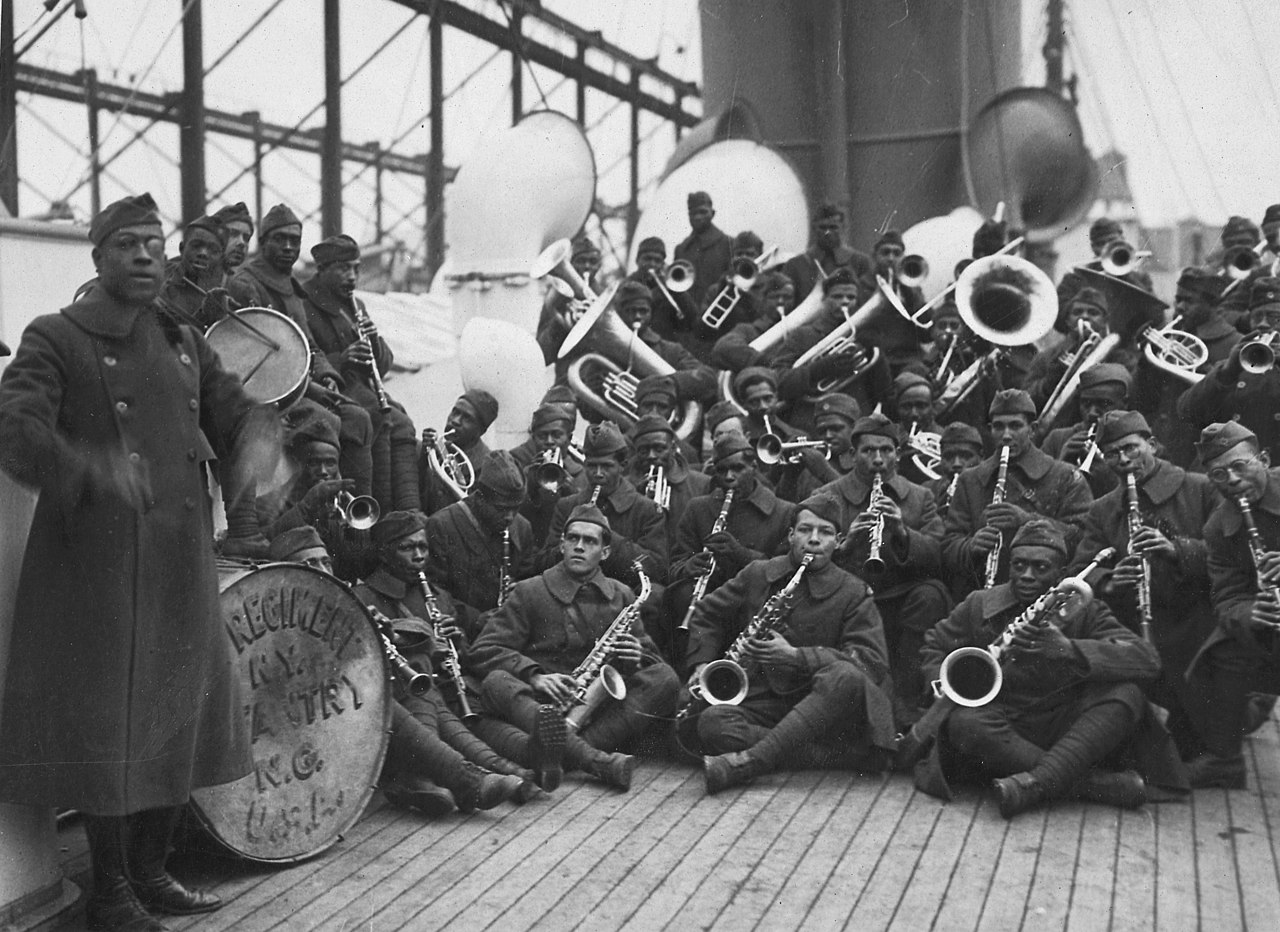
The saxophone was devised in the mid‑19th century by instrument maker Adolphe Sax, who sought a powerful yet flexible instrument for military bands. After its invention and patent it was adopted in military and later concert and stage ensembles, and it entered orchestral and chamber music repertoire as composers experimented with its sonority. The instrument achieved wide popular prominence in the 20th century with the rise of jazz and the big band era, when saxophone sections became central to ensemble sound and soloists began to shape its modern idioms; see the role of big bands in this development.
Uses, technique and notable players
The saxophone is widely used in classical, jazz, and in many popular genres including rock and pop. In classical settings it appears in solo recitals, chamber music and occasionally in orchestral works; in jazz it is prized for its expressive phrasing, ability to bend pitch and variety of articulations. Technique topics of interest include breath control, altissimo fingerings, overtones, and effects such as growling or multiphonics. Among influential performers are classical champion Marcel Mule, and jazz innovators such as John Coltrane and Charlie Parker, whose work helped define the instrument’s modern vocabularies.
- Typical materials: brass body, various mouthpiece materials (hard rubber, metal, plastic).
- Key features: conical bore, single reed mouthpiece, octave mechanism.
- Ensemble roles: soloist, section instrument in bands and orchestras, studio musician in popular music.
Questions and answers
Q: What type of instrument is a saxophone?
A: A saxophone is a type of musical instrument in the woodwind family.
Q: How does a saxophone make sound?
A: The player blows air into the mouthpiece, which vibrates a reed to create sound.
Q: What are some common features of saxophones?
A: Saxophones commonly have about 22 keys that can be used to change pitch by closing or opening holes.
Q: What are the different voices of saxophones?
A: The most common voices for saxophones are soprano, alto, tenor, and baritone. Other less common varieties include bass and contrabass (lower than baritone), C-melody (between tenor and alto), and sopranino (higher than soprano).
Q: Who invented the saxophone?
A: The saxophone was invented in 1840 by Adolphe Sax.
Q: In what genres is the saxophone typically used?
A: The saxophone is typically used in classical, jazz, rock, pop, and other styles of music.
Q: Who are some famous players of the saxophone?
A: Famous players include Marcel Mule (classical music), John Coltrane (jazz music), and Charlie Parker (jazz music).
Related articles
Author
AlegsaOnline.com Saxophone: design, ranges, history, and musical roles Leandro Alegsa
URL: https://en.alegsaonline.com/art/87700