
Band (musical ensemble)
A band is a group of musicians who perform together using varied instruments and voices. This article explains types, typical roles, historical development, common uses and how bands differ from other ensembles.
In music, a band is an ensemble of people who perform songs or instrumental pieces together. Bands range from small groups of two or three performers to large ensembles with dozens of participants. They may perform live, record in studios, arrange original compositions or interpret existing material, and they appear across popular, traditional and art music contexts.
Image gallery
9 Images


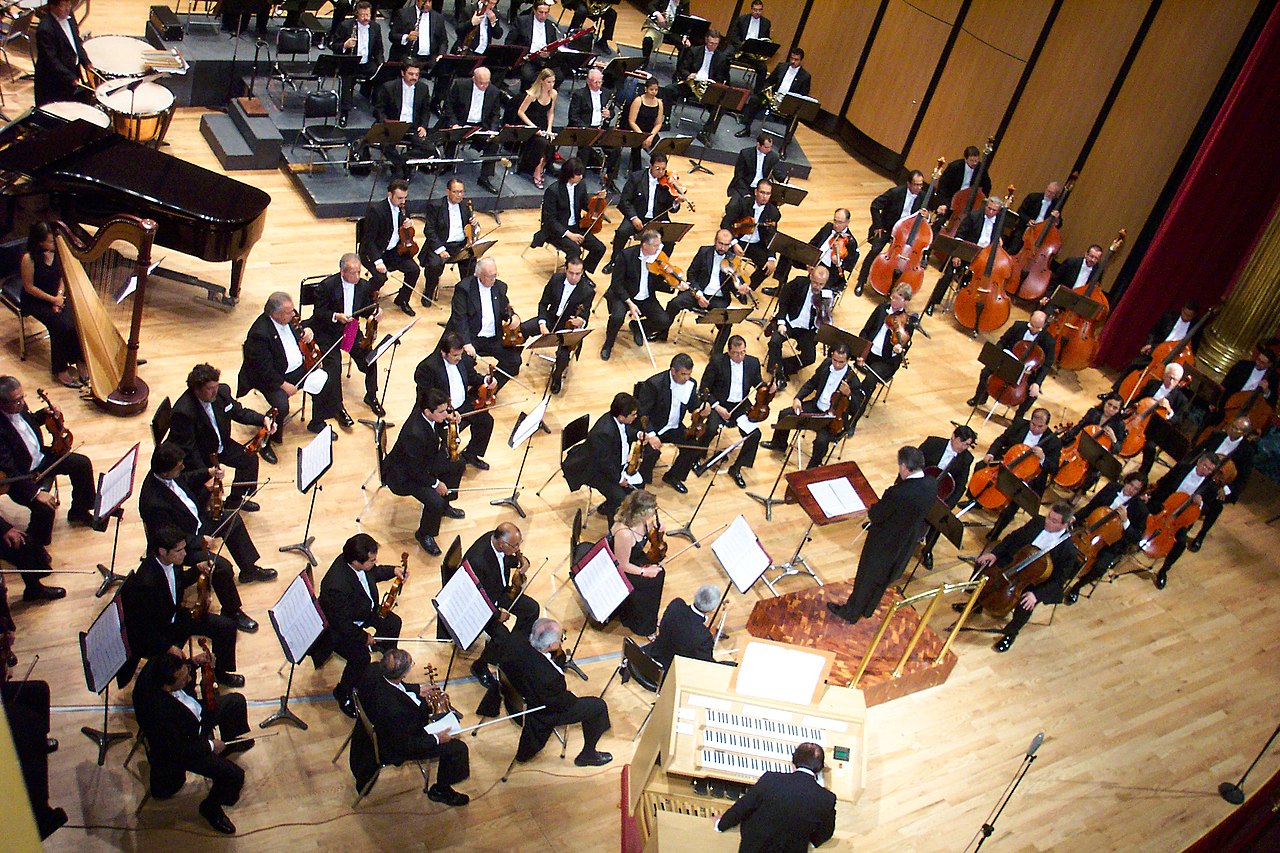


Typical roles and instrumentation
Most bands divide musical responsibilities among roles rather than fixed instruments. Common configurations include a rhythm section that provides pulse and harmony, one or more melodic voices or lead instruments, and additional instruments for texture or color. Vocalists often function as frontpeople but bands may be entirely instrumental.
- Rhythm section: drums, bass, rhythm guitar, keyboards
- Lead instruments: lead guitar, brass or woodwinds, synthesizers
- Vocals: lead singer, backing singers
- Support: percussion, auxiliary instruments, electronic elements
Common types of bands
Bands are organized according to style, purpose and instrumentation. Examples include rock and pop bands, jazz combos, marching bands, brass bands, big bands, chamber ensembles that call themselves bands, cover bands and studio or session groups assembled for recording work.
History and development
The idea of groups of players cooperating for performances has long precedents in folk ensembles and military bands. The modern popular-music band crystallized as technologies such as amplification, recording and radio expanded audiences, allowing small amplified lineups to become commercially viable. Jazz, rock, and other 20th-century styles shaped both the sounds and social roles of bands.
Uses, significance and distinctions
Bands serve artistic, social and practical purposes: they create and perform music, cultivate community identity, supply entertainment for events, and provide professional careers. Compared with an orchestra, bands often emphasize amplified instruments, a smaller, more flexible lineup, and contemporary repertoire. The term "band" overlaps with "ensemble" and "group," but tends to imply a stable collective that performs popular or portable repertoire.
For more general context see musicians and resources about performance practice, or explore collections of songs and arrangements used by bands of many kinds.
Related articles
Author
AlegsaOnline.com Band (musical ensemble) Leandro Alegsa
URL: https://en.alegsaonline.com/art/8676
Sources
- musiced.about.com : "Types of Bands"
- study.com : "Instruments in Rock Music"
- iml.jou.ufl.edu : "How to Start a Band"
- brasscrest.com : "Brass Band Instrumentation"
- nzbrass.com : "What is a Brass Band?"
- lipscomb.edu : "Instrumentation"
- music-folk.com : "The History of Folk Music"
- folkmusic.about.com : "The History of American Folk Music"