
Ray Charles: Life, Music, and Lasting Influence
Overview of Ray Charles — his life, musical innovations blending gospel, jazz, R&B and country, major recordings, career milestones, and cultural legacy.
Ray Charles (born Ray Charles Robinson; September 23, 1930 – June 10, 2004) was an American singer, pianist and composer whose work reshaped popular music in the 20th century. Blind from early childhood, Charles combined elements of gospel, jazz, rhythm and blues, and country into a soulful style that helped create what is often called soul music. His expressive voice, inventive piano playing and willingness to cross genre boundaries made him a central figure in modern American music.
Image gallery
10 Images


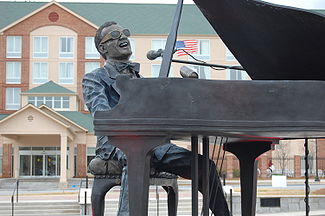

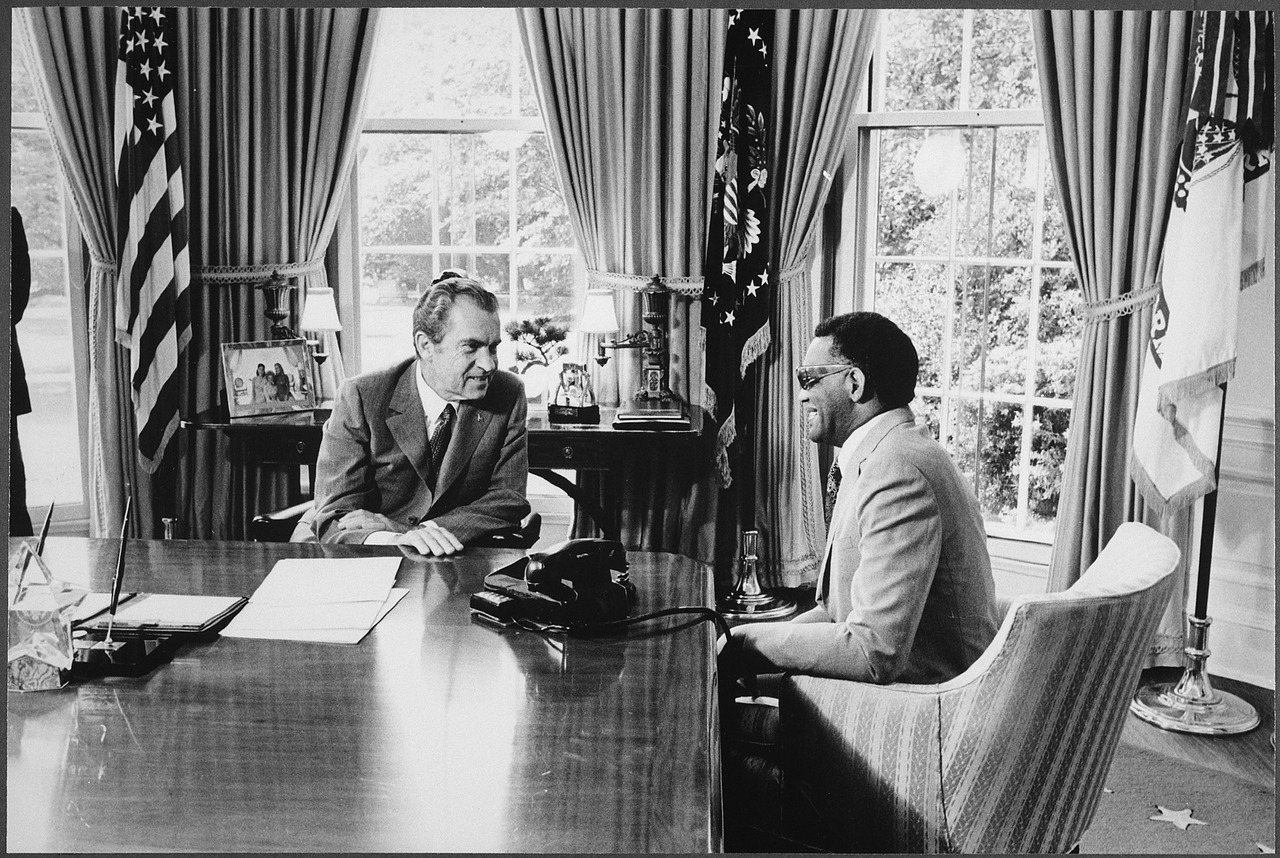
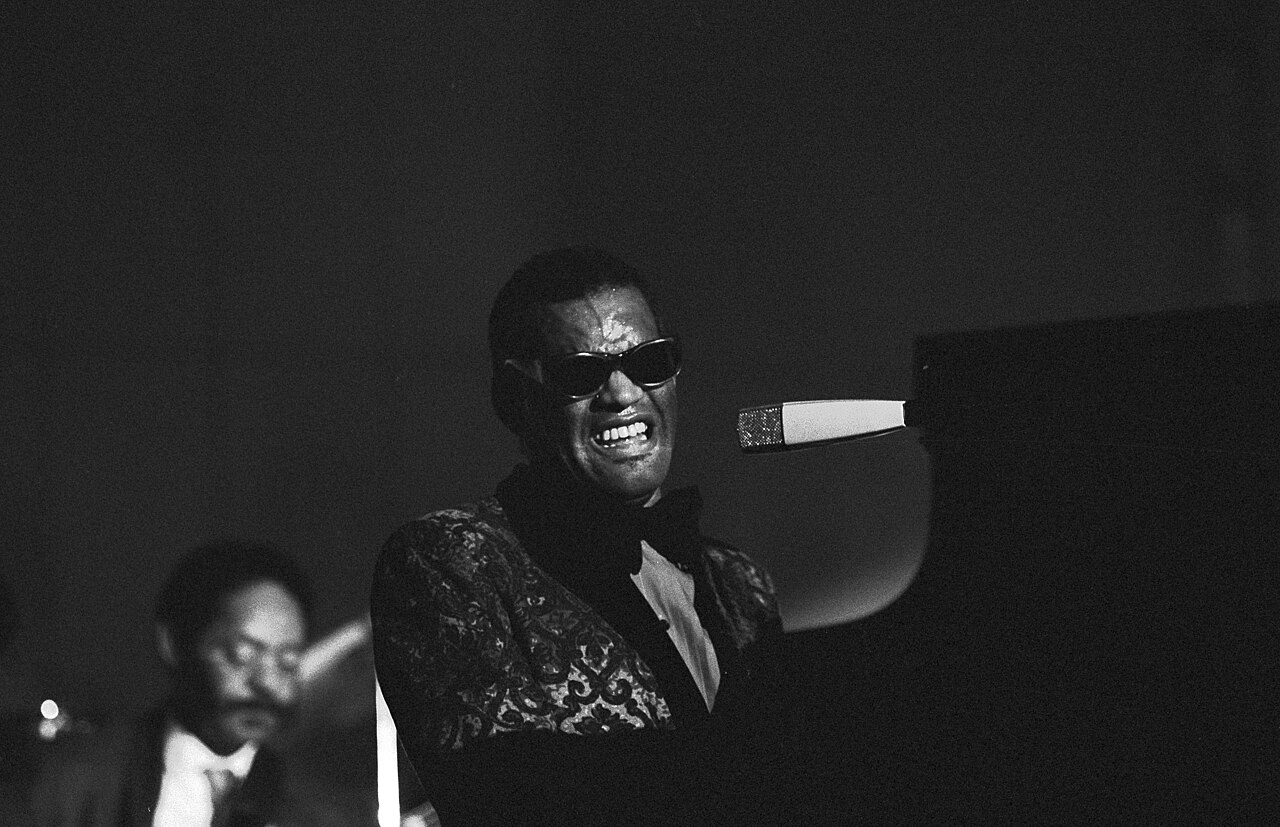


Early life and education
Ray Charles was born in Albany, Georgia and raised in Greenville, Florida. When he was a child he lost his sight and by about age seven he was fully blind. He attended the St. Augustine School for the Deaf and the Blind in Florida, where he received formal musical training, learned to read and write music in tactile form, and took up several instruments. During his youth he experienced family losses and early hardship, circumstances that influenced both his music and his outlook.
Musical style and innovations
Charles is widely credited with blending sacred gospel techniques and call-and-response vocal patterns with secular rhythms and popular song structures. He brought gospel-inflected phrasing and emotional intensity into rhythm and blues and jazz contexts, producing a new sound that emphasized feeling and improvisation. He was also one of the first African-American artists to interpret country and western material for a broad audience, most famously on his album Modern Sounds in Country and Western Music, which demonstrated his facility for arranging across genres.
Career highlights and notable recordings
- Breakthrough singles: Early hits such as "I Got a Woman" and "What'd I Say" showcased his fusion of gospel and R&B.
- Signature songs: His versions of "Georgia on My Mind" and "Hit the Road Jack" became enduring standards.
- Albums: Landmark releases combined small-group jazz, big-band arrangements and string-backed pop, reflecting his versatility.
Awards, influence and legacy
Over several decades Ray Charles received widespread recognition for his artistry. He earned multiple major awards and honors, was inducted into halls of fame, and is routinely cited as an influence by musicians in jazz, soul, R&B and rock. Beyond trophies, his career was important for breaking stylistic barriers and for advancing the commercial and artistic standing of African-American popular music. He also performed in films, toured internationally and collaborated with a wide range of artists.
Personal challenges and later life
Charles struggled at times with substance addiction in midlife, a battle he later faced publicly and addressed through treatment. He continued to record and perform through much of his life. He died in 2004 from complications related to liver disease, leaving a substantial recorded legacy and a lasting reputation as a pioneering musician.
Further reading and reference points
- Biographical summaries and career overviews are available on many music-reference pages: biography and career overview.
- Discussions of his influence on soul and R&B: musical influence.
- Information about his birthplace: Albany, Georgia.
- Context on his upbringing and early community: Greenville, Florida.
- Coverage of his jazz work and collaborators: jazz and collaborations.
- Accounts of his contributions to soul music: soul and R&B.
- Discussion of his blindness and health issues: health and blindness.
- Resources on his education at the St. Augustine School for the Deaf and the Blind: education and training.
Author
AlegsaOnline.com Ray Charles: Life, Music, and Lasting Influence Leandro Alegsa
URL: https://en.alegsaonline.com/art/129299