
Composer: roles, methods, history, and types of music creators
A composer creates music in many forms—from written scores for orchestras to improvised and popular songs. This article explains methods, history, collaboration, and how composers work across genres and media.
What is a composer?
A composer is a person who creates musical works, shaping melody, harmony, rhythm and overall structure. A composer can write for voices, instruments, ensembles or electronic systems. Many composers produce pieces intended to be performed as music, and they may use conventional written notation so other performers can read the score. This practice is especially common in classical music and in scoring for TV and movie productions, where parts are distributed to a studio orchestra or session players.
Image gallery
3 Images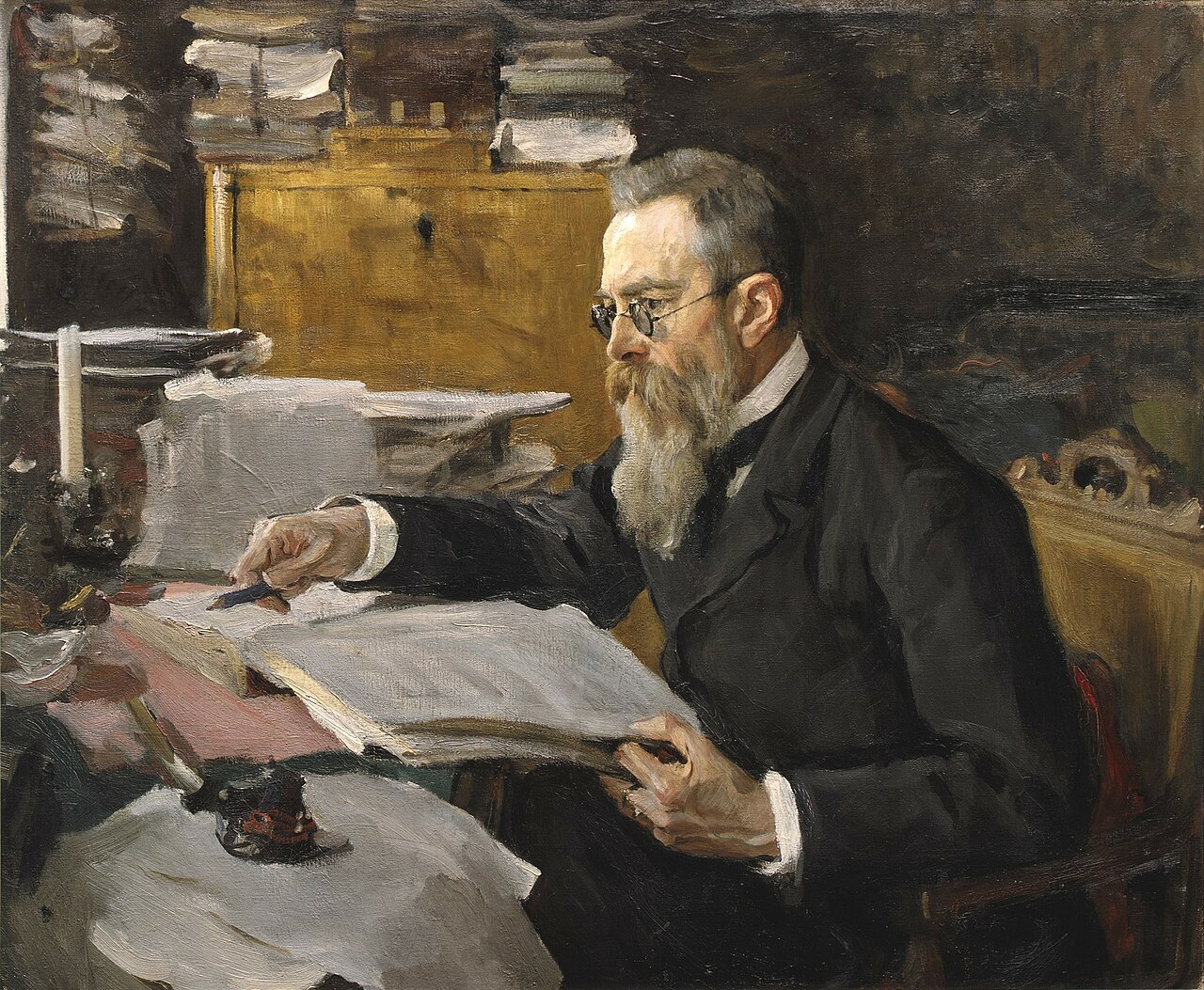

Methods and working practices
Composers use a variety of tools and workflows. Some work primarily at the desk, producing detailed written parts and full scores that specify instrumentation, dynamics and articulation. Others rely on instruments, analog tape, or digital workstations to shape ideas. The collaborative nature of music-making means a composer often communicates with performers, conductors and producers so a written or recorded idea is realized in performance. Independent and commercial contexts demand different approaches; for example, film composers must synchronize music to picture and collaborate with directors and editors.
Improvisation, popular and jazz traditions
Not all composers rely on fixed notation. Many musicians excel at improvisation, inventing music in real time. Church organists may improvise during a worship service, filling pauses such as those created while people are collecting money or taking communion. Jazz artists typically balance composed elements with extended improvisation, producing versions that vary on each performance.
Songwriting and popular forms
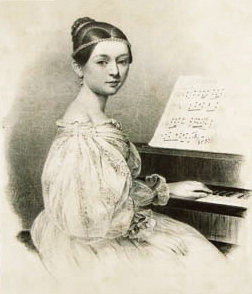
In popular traditions—often labeled popular, rock or soul—composition can be more informal. Many songwriters craft tunes on an instrument, sketching chords and hooks on a guitar or piano, or by arranging recorded parts. Some famous songwriters, such as Cole Porter and Irving Berlin, often worked at the piano. Popular composers may not always produce full notated scores; instead they create songs through demos, lead sheets, or by directing studio musicians. Lyrics and musical composition are frequently done by different contributors—one person may write the music while another supplies the lyrics.
Collaboration, authorship and anonymity
Collaboration is common: songwriting teams, arranger-orchestrator pairs, and composer-producer partnerships are part of many careers. In folk traditions, many tunes and songs evolved over generations with no single identifiable author. In commercial contexts, credits, publishing rights and copyright law govern ownership and royalties; in theatre, media and advertising, commissioning bodies often hire composers under contract.
History and evolving roles
The role of the composer has changed through history. In earlier eras, composers often served courts, churches or patrons; later the rise of public concerts and printing expanded audiences. The 19th century elevated the composer as an artistic figure; the 20th and 21st centuries broadened possibilities with recording, electronic synthesis and computer-assisted composition. Contemporary composers may work in concert music, film and game scoring, sound art, popular songwriting, and cross-disciplinary projects that blend acoustic and digital sound. Across these arenas, the central task remains the same: to organize sound in time so it communicates emotion, idea or function to listeners.
Types of composers and notable distinctions
- Classical/Concert: writes for ensembles, often uses full notation and publishes scores.
- Film/TV and Media: composes to picture, works to production schedules and technical requirements.
- Songwriters and Pop/Rock writers: focus on songs and recordings, sometimes using lead sheets or demos.
- Improvisers and Jazz composers: blend written themes with real-time invention.
- Electronic and experimental: use synthesis, sampling and software to shape sound.
Understanding composers means recognizing both the craft of writing sound and the many contexts in which music is created. Whether producing intricately notated scores for a symphony hall or shaping spontaneous lines at a jazz club, composers shape how communities hear and remember music.
Questions and answers
Q: What is a composer?
A: A composer is someone who writes (composes) music.
Q: How do some composers work?
A: Some composers work by writing music down on paper, which is known as 'written notation'. Classical music writers and writers for TV and movie music usually write this way so that an orchestra or other players can read the music and play it.
Q: What is improvisation?
A: Improvisation means inventing the music as you play it. Jazz musicians are usually excellent at improvising, although it cannot be written down so each time it is different.
Q: How do popular and rock or soul musicians compose their songs?
A: Popular and rock or soul musicians often don't read and write music down; instead they compose their songs on a guitar or piano. Cole Porter and Irving Berlin usually composed at the piano.
Q: Who writes some songs?
A: Some songs are written by two or more people working together to write them; one person may write the music while another writes the lyrics.
Q: Who wrote folk songs?
A: Folk songs were composed many years ago, but no one knows who wrote them.
Related articles
Author
AlegsaOnline.com Composer: roles, methods, history, and types of music creators Leandro Alegsa
URL: https://en.alegsaonline.com/art/22262