
Benny Goodman — American Clarinetist and Leader of the Swing Era
Benny Goodman (1909–1986), nicknamed the King of Swing, was an influential American clarinetist and bandleader who popularized swing, led integrated ensembles, and brought jazz to concert halls and mass audiences.
Overview
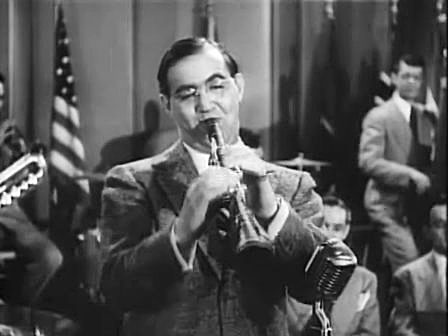
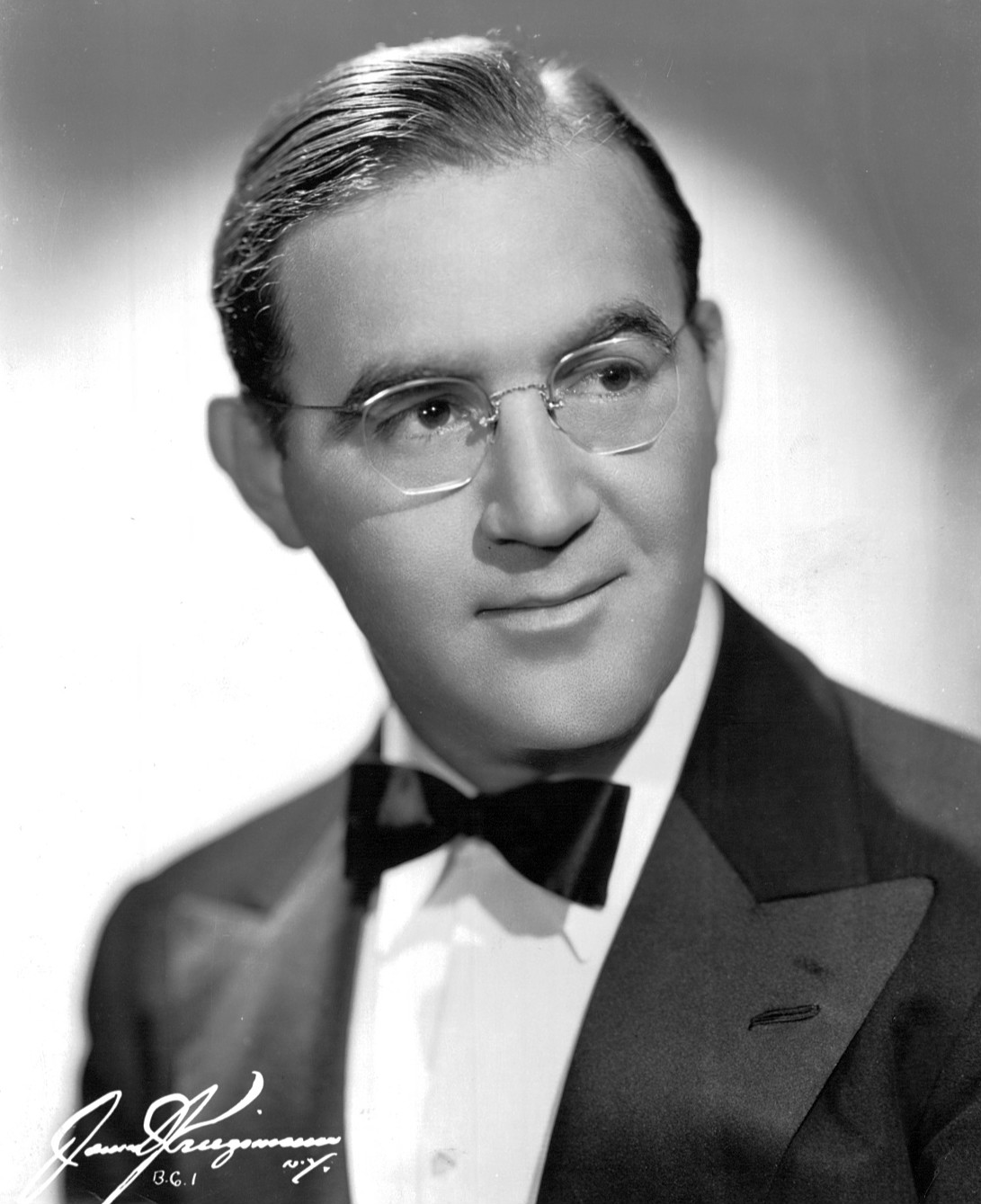
Benny Goodman (Benjamin David Goodman, 1909–1986) was an American performer and bandleader widely associated with the swing era. A virtuoso on the clarinet, he earned nicknames such as "The King of Swing" and "Patriarch of the Clarinet". Goodman is remembered for bringing jazz into mainstream venues and for a career that balanced popular dance-band leadership with small-group improvisation and occasional classical work.
Image gallery
8 Images


Style and musical characteristics
Goodman's playing combined a clear, focused tone with precise articulation and a strong sense of swing. He led both large orchestras and intimate ensembles; the contrast allowed soloists to be featured within tightly arranged charts. His repertoire spanned lively dance numbers, blues-inflected tunes, and arrangements adapted from established arrangers, and he often showcased the clarinet as a lead jazz instrument.
Career milestones and history
Born in Chicago and raised in a working-class family, Goodman rose from local bands and radio work to national prominence in the 1930s. A turning point came when his band’s recordings and broadcasts helped make swing a dominant popular style. Landmark moments included high-profile ballroom engagements that popularized the sound and a 1938 Carnegie Hall concert that signaled jazz's arrival in formal concert settings. His career included frequent touring, radio broadcasts, and studio recordings.
Social impact and collaborations
Goodman played a notable role in challenging racial segregation in professional ensembles by hiring African-American musicians for his small groups and by sharing stages during an era of widespread discrimination. Collaborators ranged from pianists and vibraphonists to early electric guitar innovators; these partnerships helped expand the vocabulary of jazz and influenced subsequent generations of musicians.
Legacy and notable works
- Sing, Sing, Sing (associated performance style)
- Stompin' at the Savoy (popularized through his band)
- Historic Carnegie Hall concert, 1938
Goodman's legacy endures through his recordings, his role in elevating the clarinet in ensemble and solo contexts, and his influence on the acceptance of jazz in concert halls. He continued to perform into his later years and remained a prominent figure in twentieth-century American music.
Questions and answers
Q: Who was Benny Goodman?
A: Benny Goodman was an American jazz musician born on May 30, 1909, who played the clarinet.
Q: What was Benny Goodman known as?
A: Benny Goodman was known as "The King of Swing", "Patriarch of the Clarinet", "The Professor", and "Swing's Senior Statesman".
Q: When did Benny Goodman die?
A: Benny Goodman died on June 13, 1986.
Q: What instrument did Benny Goodman play?
A: Benny Goodman played the clarinet.
Q: What was Benny Goodman's nickname?
A: Benny Goodman's nickname was "The King of Swing".
Q: What was Benny Goodman's contribution to jazz music?
A: Benny Goodman's contribution to jazz music was playing the clarinet, pioneering swing music, and popularizing jazz during the 1930s and 1940s.
Q: What are some other names Benny Goodman was known by?
A: Benny Goodman was also known as "Patriarch of the Clarinet", "The Professor", and "Swing's Senior Statesman".
Related articles
Author
AlegsaOnline.com Benny Goodman — American Clarinetist and Leader of the Swing Era Leandro Alegsa
URL: https://en.alegsaonline.com/art/114988
Sources
- bennygoodman.info : "Nicknames"