
Trumpet (brass instrument)
A brass wind instrument with a bright tone, used in orchestras, bands and jazz. Usually a transposing B♭ instrument, sounded by buzzing the lips into a mouthpiece and using valves.
Overview
The trumpet is a member of the brass family, recognized for its clear, penetrating sound and agility. It is commonly heard in orchestral, chamber, military and jazz contexts. Most modern trumpets are pitched in B♭ and are played by buzzing the lips into a mouthpiece, which produces a standing wave in the instrument's tubing.
Image gallery
10 Images


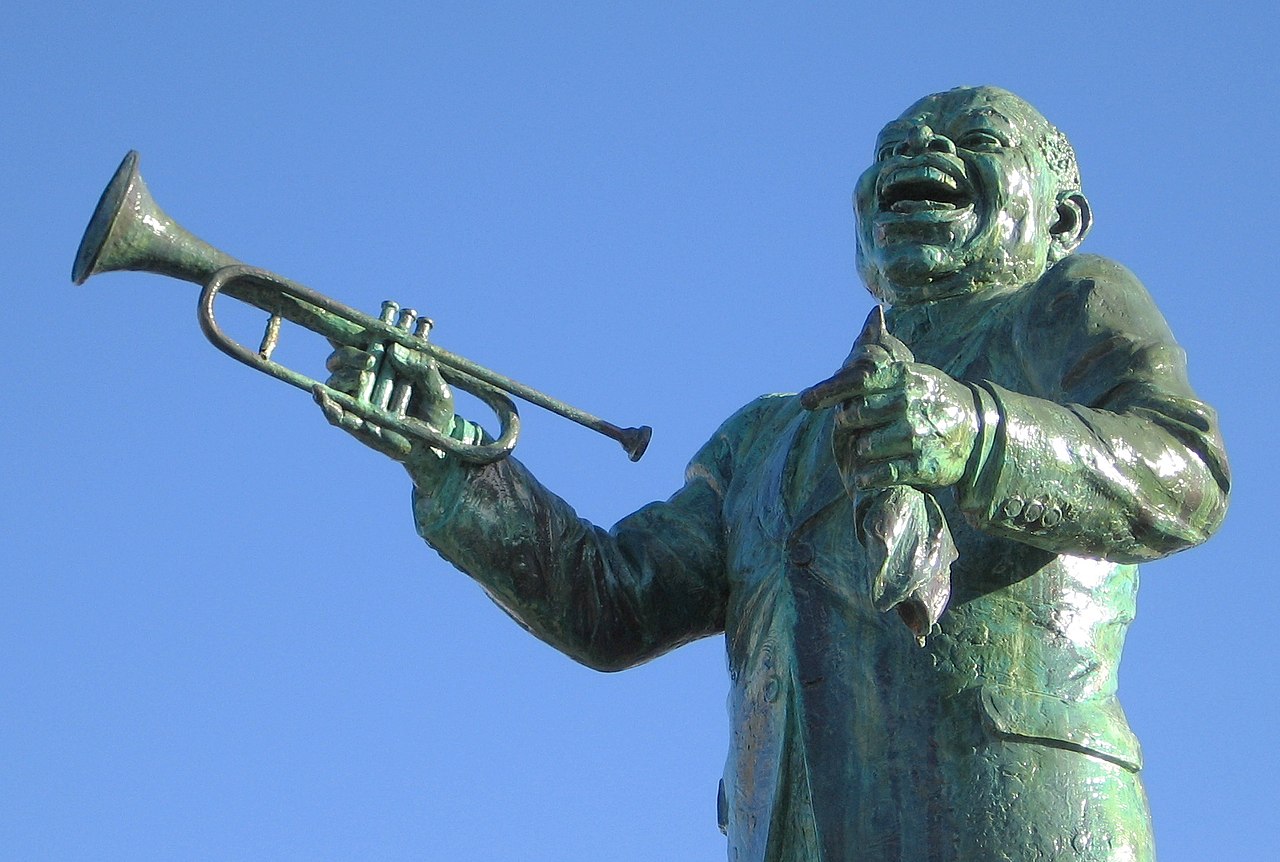
Parts and sound production
Key components of the instrument include the mouthpiece, leadpipe, coiled tubing, three piston valves (or occasionally rotary valves), and the bell. Sound starts when the player’s lips vibrate against the rim of the mouthpiece, creating harmonics of the instrument's open tube. Different notes come from changing lip tension and air flow (the harmonic series), and from altering the effective tube length with valves.
Valves, transposition and common types
Most modern trumpets have three valves that add lengths of tubing to lower pitch when depressed. Because many trumpets are built in B♭, they are transposing instruments: a written C will sound as B♭ in concert pitch. Variants include piccolo and sopranino trumpets (higher), bass trumpets (lower), and related instruments such as the cornet and flugelhorn, which have different bore shapes and timbres.
History and development
Long before valves were invented, performers used natural trumpets: long, valveless tubes good at the notes of the harmonic series. The invention and refinement of valve mechanisms in the early 19th century transformed the instrument, enabling chromatic playing and greater facility in melodic lines. Since then the trumpet has evolved in design and construction while retaining its traditional role in signaling, ceremonial music and ensemble settings.
Uses, techniques and accessories
- Genres: prominent in classical orchestras, concert bands, jazz ensembles and brass bands.
- Playing techniques: lip buzzing, tonguing, slurs, trills, and extended techniques such as flutter-tonguing and multiphonics.
- Mutes and effects: straight, cup, Harmon (wah-wah) and plunger mutes alter tone color and projection.
Notable facts and learning
Beginners often learn on a standard B♭ instrument. Instruction emphasizes embouchure (mouth position), breath support, accurate fingering and reading transposed parts. The trumpet's bright timbre makes it effective for melodic lead lines and fanfares across many musical traditions.
Further reading: see entries on the brass instrument family, classical music repertoire, and the role of the trumpet in jazz. For technical terms consult a glossary of concert pitch and transposition conventions, mouthpiece fitting guides at mouthpiece resources, and valve maintenance references at valves.
Questions and answers
Q: What is a trumpet?
A: A trumpet is a brass instrument used mainly in Classical music and jazz music to create music.
Q: What is the most common type of trumpet?
A: The most common type of trumpet is a B♭ trumpet, meaning that if the player plays a C, it will sound like a B♭ in concert pitch.
Q: How is a trumpet played?
A: The trumpet is played by blowing into the mouthpiece and making a "buzzing" sound.
Q: What are the keys on a trumpet called?
A: The keys on a trumpet are called valves.
Q: How do players use the valves to change the pitch of a trumpet?
A: Players can press the valves to change the pitch of the trumpet.
Q: What music genre is a trumpet used in?
A: A trumpet is used in Classical music and jazz music.
Q: What material is a trumpet typically made of?
A: A trumpet is typically made of brass.
Related articles
Author
AlegsaOnline.com Trumpet (brass instrument) Leandro Alegsa
URL: https://en.alegsaonline.com/art/101813