
Piano: an overview of the acoustic keyboard and its history
Comprehensive introduction to the piano: how it produces sound, main parts, historical development from Cristofori to the modern instrument, types, use, repertoire, and maintenance.
The piano is an acoustic, stringed keyboard instrument in which felt-covered wooden hammers strike strings to produce sound. Players depress keys that operate a mechanical action, causing hammers to hit strings with variable force; this permits a wide dynamic range and expressive nuance not available on earlier plucked or struck keyboard instruments. Modern concert pianos typically have 88 keys and a range of seven-plus octaves, enabling music from simple accompaniment to large-scale solo works.
Image gallery
10 Images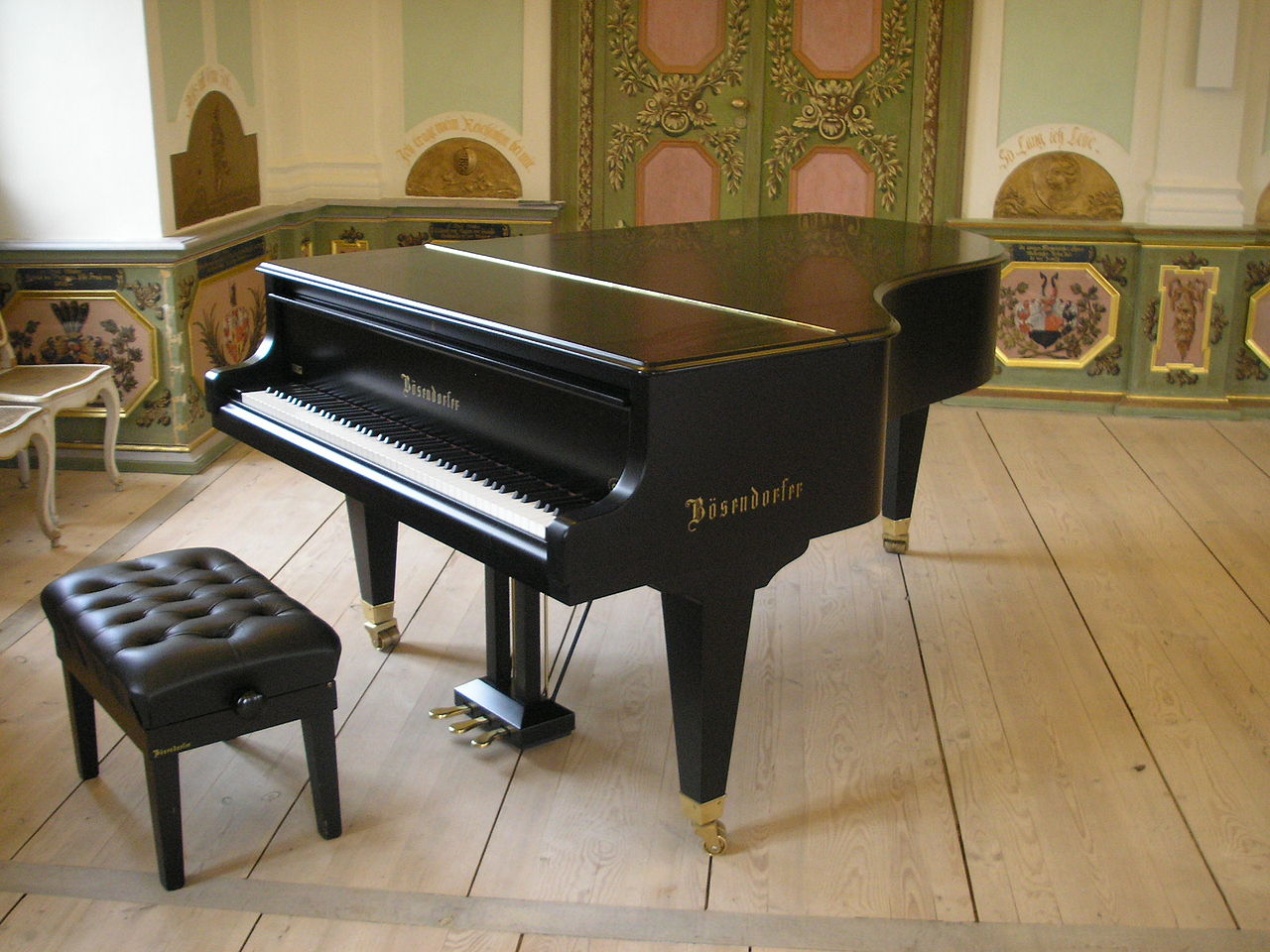






Main components and how it works
The piano converts the motion of keys into hammer strikes and amplified vibrations. Key parts include a cast-iron frame or plate that supports string tension, the soundboard that radiates sound, tuned steel strings, the hammer and action assembly, and a pinblock that anchors tuning pins. Most instruments also have one to three pedals that alter sustain, timbre, or pitch alignment when engaged.
- Keyboard and action: levers beneath the keys transfer motion to hammers and include mechanisms to allow rapid repetition.
- Hammers and strings: hammers are covered in dense wool felt and strike strings of various length and thickness to produce different pitches.
- Soundboard and frame: the wooden soundboard amplifies vibrations; the metal frame withstands the high tension of many strings.
- Pedals: sustain (damper), una corda (soft), and in many pianos a sostenuto or middle pedal provide additional expressive control.
Origins and historical development
The piano emerged in Italy around the year 1700, invented by Bartolomeo Cristofori as an improvement on the harpsichord and clavichord. Early instruments were called "pianoforte" for their ability to play both softly and loudly. During the 18th and 19th centuries builders and inventors progressively improved the action, hammer materials, string construction and structural frame, allowing greater volume and stability. By the late 1800s the instrument had largely taken on the physical form and range familiar today.
Types, uses, and repertoire
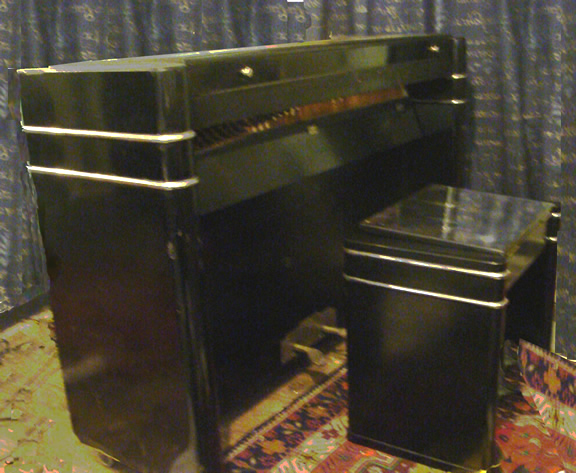
Pianos come in two broad shapes: grand and upright. Grand pianos, with horizontal strings and longer soundboards, range from baby grands to full concert grands and are favored for their tonal depth and responsiveness. Upright pianos, with vertical strings, are more compact and common in homes and schools. The piano is central to Western classical music—used by composers such as Mozart, Beethoven, Chopin, Liszt and later Romantic and modern composers—and is equally important in jazz, popular music, and as an accompaniment instrument in ensemble settings.
Maintenance, distinctions and notable facts
Unlike electronic keyboards, acoustic pianos require regular tuning and climate-aware care because string tension and wooden components respond to humidity and temperature. Common maintenance also includes regulating the action and voicing hammers to preserve touch and tone. Distinct from the harpsichord (which plucks strings) and the clavichord (which strikes them with tangent action), the piano's hammer strike and sustain pedal give it a broader dynamic palette. For further reading on technical details and practical guidance, see additional resources.
The piano remains one of the most versatile and widely taught instruments worldwide, valued for solo repertoire, accompaniment, composition, and educational training in harmony and technique.
Questions and answers
Q: What is a piano?
A: A piano is an acoustic, keyboard and stringed musical instrument in which the strings are struck by wooden hammers that are coated with a softer material.
Q: How is a piano played?
A: A piano is played using a keyboard, which is a row of keys (small levers) that the performer presses down or strikes with the fingers and thumbs of both hands to cause the hammers to strike the strings.
Q: What are the hammers of a piano coated with?
A: The hammers of a piano are coated with dense wool felt in modern pianos, while some early pianos used leather.
Q: When was the piano invented?
A: The piano was invented in Italy by Bartolomeo Cristofori around the year 1700, although the exact year is uncertain.
Q: What is the function of the keyboard in a piano?
A: The keyboard in a piano is a row of keys (small levers) that the performer presses down or strikes with the fingers and thumbs of both hands to cause the hammers to strike the strings.
Q: Who invented the piano?
A: The piano was invented by Bartolomeo Cristofori in Italy around the year 1700, although the exact year is uncertain.
Q: What are the materials used to cover the hammers of a piano?
A: The hammers of a piano are typically covered with dense wool felt, but some early pianos used leather.
Related articles
Author
AlegsaOnline.com Piano: an overview of the acoustic keyboard and its history Leandro Alegsa
URL: https://en.alegsaonline.com/art/76698
Sources
- commons.wikimedia.org : Pianos