
Frank Sinatra: singer, actor, and cultural icon
Overview of Frank Sinatra’s life, musical style, film career, Rat Pack years, influence, notable works and legacy, with selected references for further reading.
Overview
Frank Sinatra (Francis Albert Sinatra; December 12, 1915 – May 14, 1998) was an American singer and actor whose career spanned more than half a century. Celebrated for his phrasing, timing, and charismatic stage presence, he became one of the defining popular entertainers of the 20th century. Sinatra recorded hundreds of songs, sold hundreds of millions of records worldwide, and achieved success both as a recording artist and a film performer.
Image gallery
10 Images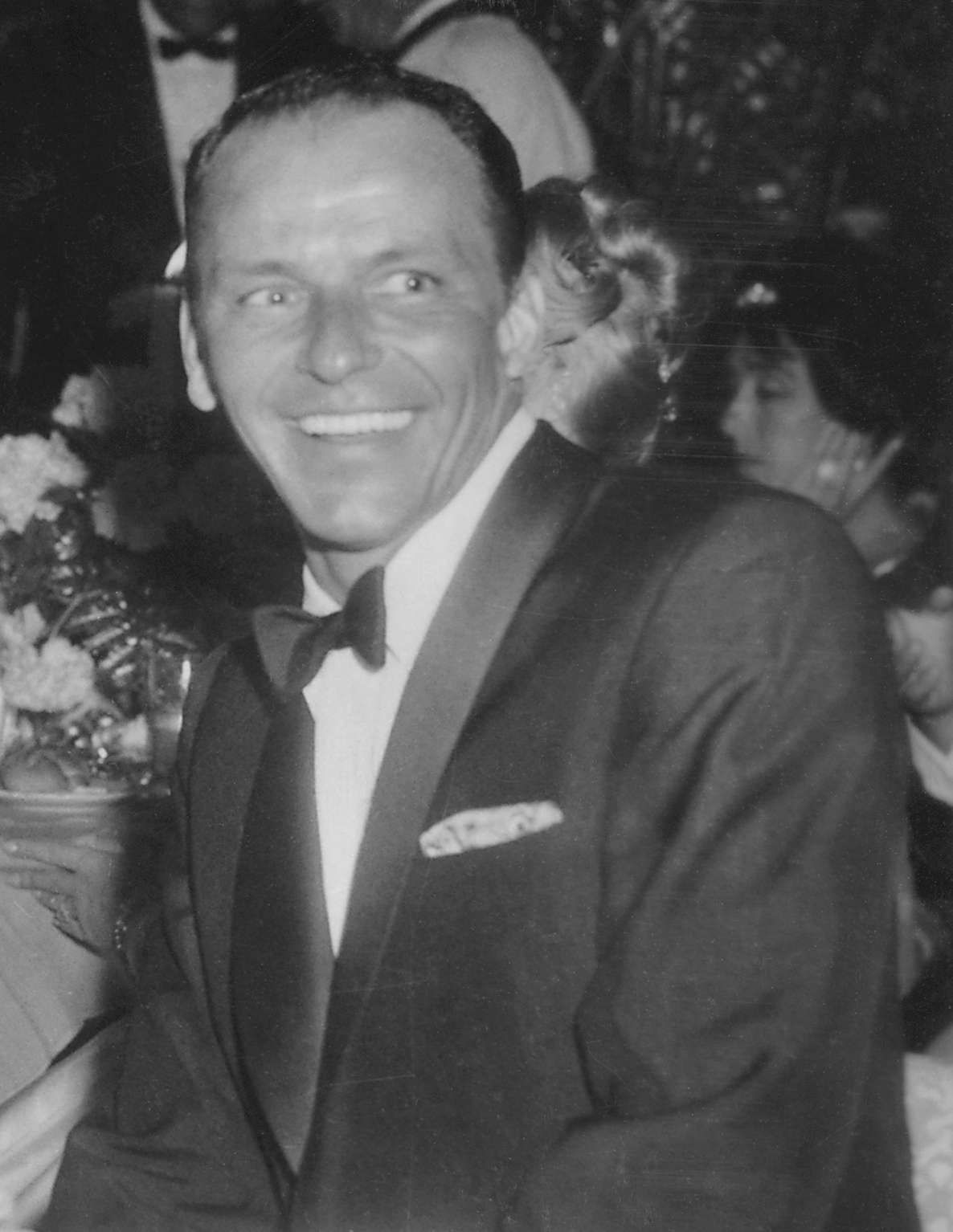


Musical style and recordings
Sinatra began as a big-band vocalist in the 1930s and rose to enormous popularity in the 1940s as a chest-voiced crooner of ballads that emphasized emotion and storytelling. Over time he adapted to changing musical trends, moving into swinging, jazz-inflected arrangements and concept albums that showcased coherent moods and narratives. He worked with leading arrangers and bandleaders, and his interpretation of song lyrics, subtle use of dynamics, and relaxed delivery influenced generations of singers.
Acting career and awards
In addition to recordings, Sinatra had a substantial film career. He earned critical praise for dramatic roles and won the Academy Award for Best Supporting Actor for his performance in From Here to Eternity (1953). He was nominated for other film awards and received multiple Grammys and lifetime honors for his contributions to music and entertainment. His work in movies helped solidify his public image as both a romantic singer and a serious actor.
The Rat Pack and live performances
In the 1950s and 1960s Sinatra was associated with a loose circle of entertainers popularly called the Rat Pack. Their nightclub and Las Vegas appearances mixed music, comedy, and informal camaraderie, and the group became synonymous with a certain mid-century glamour. Members and close associates included entertainers such as Dean Martin and Sammy Davis Jr., and a broader social circle of actors and singers who often appeared together on stage and screen.
Legacy, influence, and controversies
Sinatra is widely regarded as a major influence on popular singing, notable for a conversational delivery and precise rhythmic sense. He helped popularize the idea of the pop singer as an interpretive artist who could reshape songs through phrasing and arrangement. His career also attracted controversies: his high-profile friendships, reputed connections with organized crime figures, and political activities drew scrutiny and debate during his lifetime. Despite this, his artistic achievements remain central to assessments of 20th-century American music.
Selected recordings, films, and distinctions
- Music: signature songs include standards he helped popularize and albums that exemplified the mid-century American songbook.
- Film highlights: acclaimed dramatic roles and studio work that complemented his stage career.
- Distinctions: multiple major awards recognizing both recording and acting accomplishments.
Further reading and reference links
- Comprehensive biography and timeline
- Overview of Sinatra's place in American popular music
- Contemporary press coverage and major profiles
- Analyses of Sinatra's recordings and style
- The Rat Pack: origins and cultural impact
- Dean Martin and his collaborations with Sinatra
- Profiles of Rat Pack members and associates
- Live performance history and notable engagements
- Entertainment industry context and contemporaries
- Accounts of film work and critical reception
- Cultural influence and tributes
- Further archival materials and documentary sources
Questions and answers
Q: Who was Frank Sinatra?
A: Francis Albert "Frank" Sinatra was an American singer, musician, actor, and filmmaker.
Q: How long was Sinatra's singing career?
A: Sinatra's singing career was 60 years long.
Q: How many records did Sinatra sell worldwide?
A: More than 250 million records of Sinatra have been sold worldwide.
Q: What was Sinatra's nickname?
A: Sinatra was also well known by the nickname "Old Blue Eyes".
Q: What did The New York Times say about Sinatra?
A: The New York Times said he was "the first modern pop superstar".
Q: What was the Rat Pack?
A: The Rat Pack was a group of entertainers (musicians and actors) in the 1950s and 1960s, which included Sinatra, Dean Martin, Sammy Davis, Jr., Peter Lawford, and Joey Bishop.
Q: Did Judy Garland and Shirley MacLaine also belong to the Rat Pack?
A: Judy Garland, Lauren Bacall, Sid Luft, and Shirley MacLaine were more loosely associated with the Rat Pack.
Related articles
Author
AlegsaOnline.com Frank Sinatra: singer, actor, and cultural icon Leandro Alegsa
URL: https://en.alegsaonline.com/art/119170