
Big Bands in Jazz: Instrumentation, Arrangement, and Historical Role
Overview of jazz big bands: typical 12–25 musician instrumentation, written arrangements balancing ensemble and solo, their Swing Era role, and how universities and groups sustain the tradition today.
A big band is a large ensemble associated with jazz, organized into sections of instruments and sized for dancing and large-venue concerts. Typical groups range from about 12 to 25 musicians and often feature one or more vocalists alongside the instrumentalists.
Image gallery
8 Images


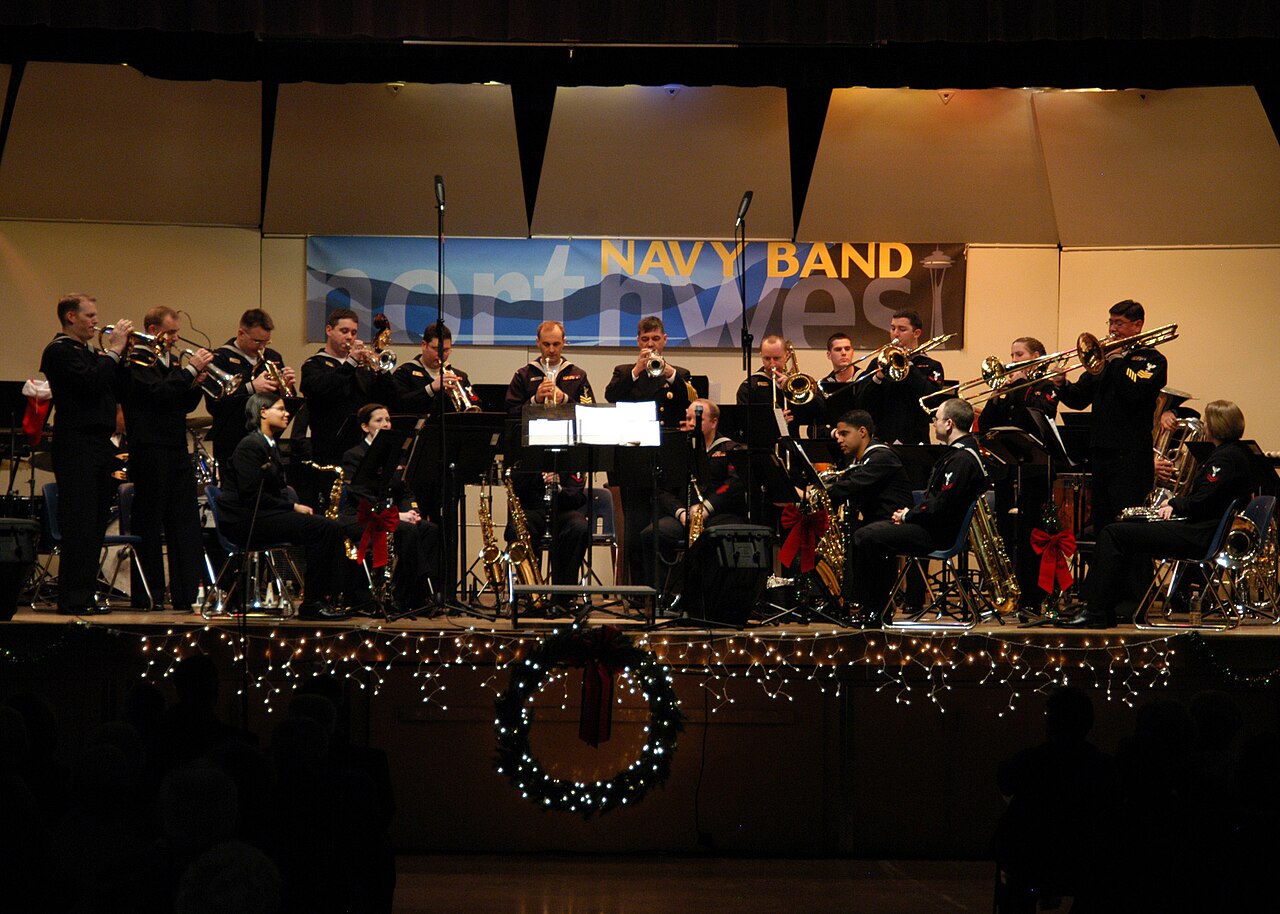
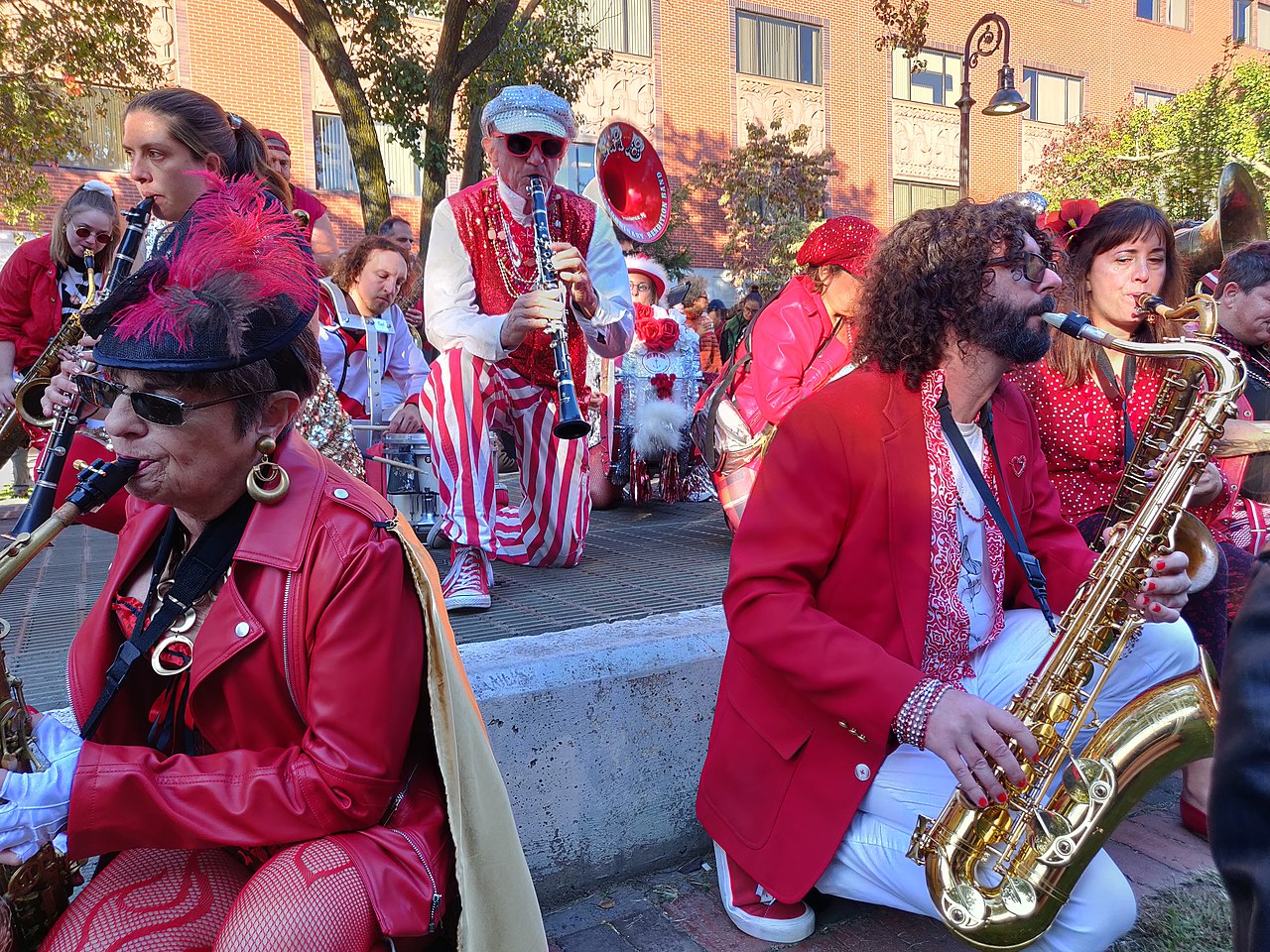
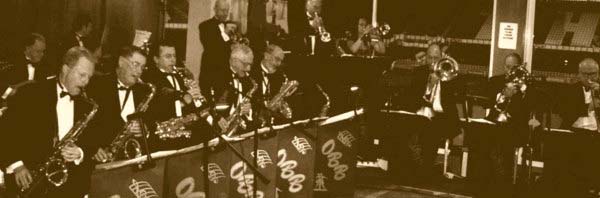

Instrumentation
Players are usually grouped by family. Common sections include:
- Reed instruments such as saxophones (sometimes also doubling on clarinet)
- Brass sections made up of trumpets and trombones
- A rhythm section that supplies pulse and harmony; this typically contains piano, bass, guitar and drums
Structure and performance
Arrangements for big bands are usually written or charted, with sections playing harmonized lines, punctuated hits, and passages that support solo improvisation. The interplay between ensemble passages and featured soloists is a defining characteristic of the style.
Historical role and popularity
Big bands were especially prominent during the Swing Era of the 1930s and 1940s, when they provided music for dancing, radio broadcasts, records, and live shows. Prominent band leaders guided ensembles that became both musical and cultural institutions of the period.
Notable leaders
Today
While large jazz orchestras are less central to popular music than they were mid-20th century, big bands remain active. Universities, community ensembles, and professional groups continue to perform classic arrangements and commission new works, keeping the format alive for concerts, recordings and education.
Related articles
Author
AlegsaOnline.com Big Bands in Jazz: Instrumentation, Arrangement, and Historical Role Leandro Alegsa
URL: https://en.alegsaonline.com/art/11312
Sources
- radioechoes.com : Pop Chronicles the 40s: The Lively Story of Pop Music in the 40s
- worldcat.org : 31611854