
Horn (musical instrument)
A brass wind instrument with coiled tubing and a flared bell, commonly called the French horn; used in orchestras, chamber music, and solo repertoire with several historic and modern variants.
Overview
The horn is a member of the brass family characterized by long tubing wound into a coil and ending in a wide flared bell. In common modern usage the term often refers specifically to the orchestral or concert horn, widely known as the French horn. It produces a rich, mellow tone and occupies a central place in symphonic, chamber, and film music.
Image gallery
10 Images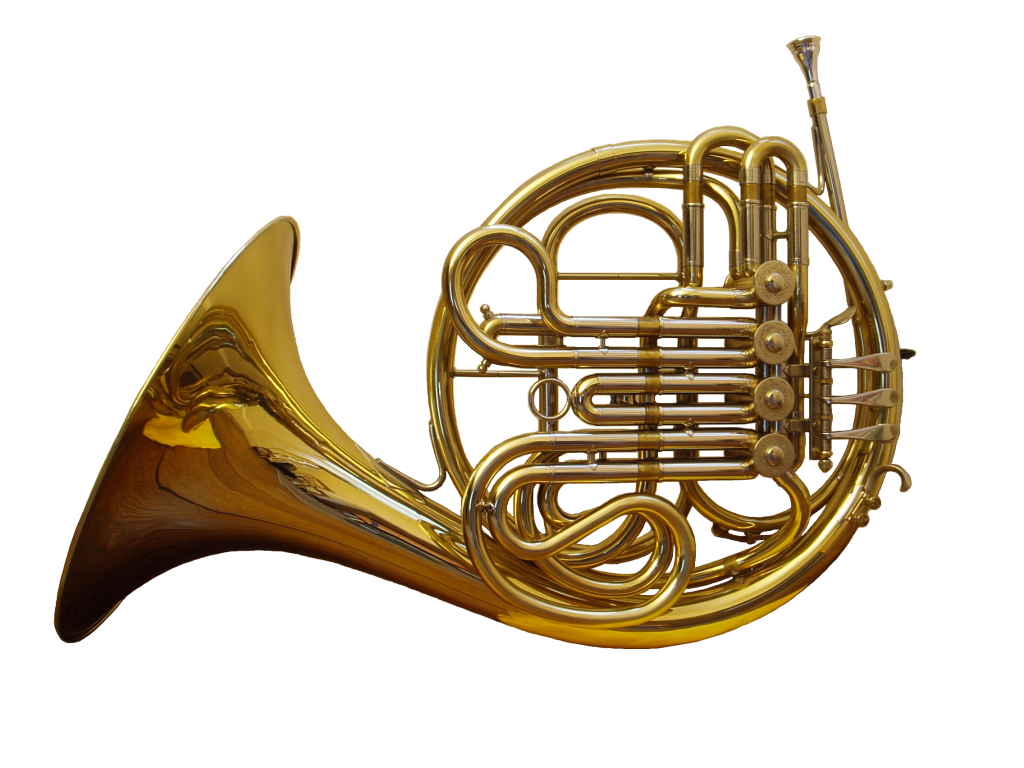



Characteristics and parts
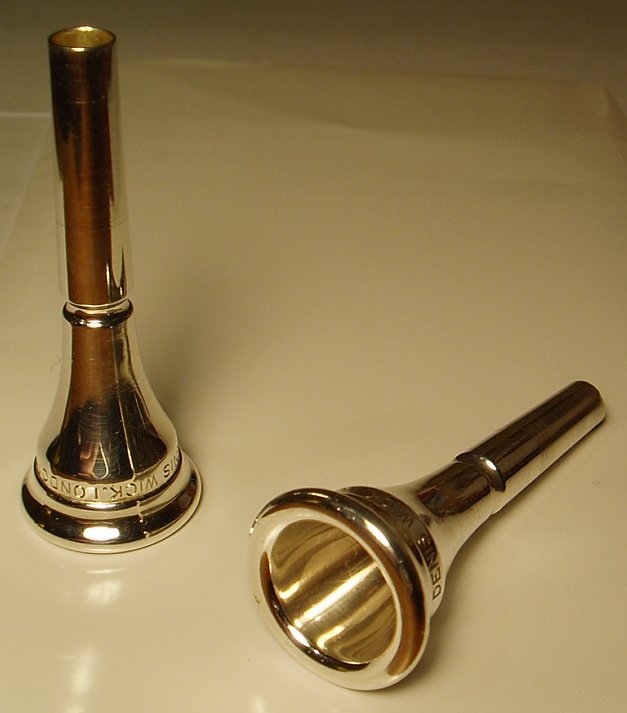
Sound is generated when the player vibrates the lips against a mouthpiece and changes pitch by altering lip tension and by modifying the length of tubing. Key components include:
- Mouthpiece — shapes the lip vibration and affects timbre.
- Tubing and bell — long coiled bore that determines resonance.
- Valves — rotary or piston valves that change tubing length; earlier horns used removable crooks instead.
- Leadpipe and fingerhooks — practical fittings used by the player to hold and stabilize the instrument.
Origins and historical development
Horns evolved from simple animal-horn and metal signaling instruments used for hunting and ceremony. Over centuries they developed into the natural horn with crooks for changing pitch, and later into valved instruments that allowed full chromatic playing. For general context on brass instruments see brass family overview, and for the instrument’s primal inspiration see animal horns.
Playing technique and roles
Horn players use hand position in the bell to influence intonation and tone color; this technique is a distinctive part of horn pedagogy. The instrument often plays harmonic and melodic roles in orchestral textures, bridging woodwind and brass sections, and is prized for its expressive solo possibilities. For basic acoustics of lip-driven wind instruments consult sound production resources.
Variants and notable facts
Today’s common types include the single and double horn (which combines F and B-flat tubing), high-pitched descant horns, and historical natural horns. The name "French horn" is widely used in English-speaking countries though it can obscure the instrument’s broader European development. For historical surveys and repertoire details see horn history and repertoire.
The horn’s distinctive blend of range, dynamic flexibility, and tone makes it indispensable in many musical genres, from classical symphonies to contemporary film scores and chamber works.
Related articles
Author
AlegsaOnline.com Horn (musical instrument) Leandro Alegsa
URL: https://en.alegsaonline.com/art/45120