
Sir Syed Ahmad Khan: Reformer, Educator, and Architect of the Aligarh Movement
Overview of Sir Syed Ahmad Khan (1817–1898): his life, educational and social reforms, political views after 1857, founding of the Muhammadan Anglo-Oriental College and legacy toward modern Muslim identity in South Asia.
Overview
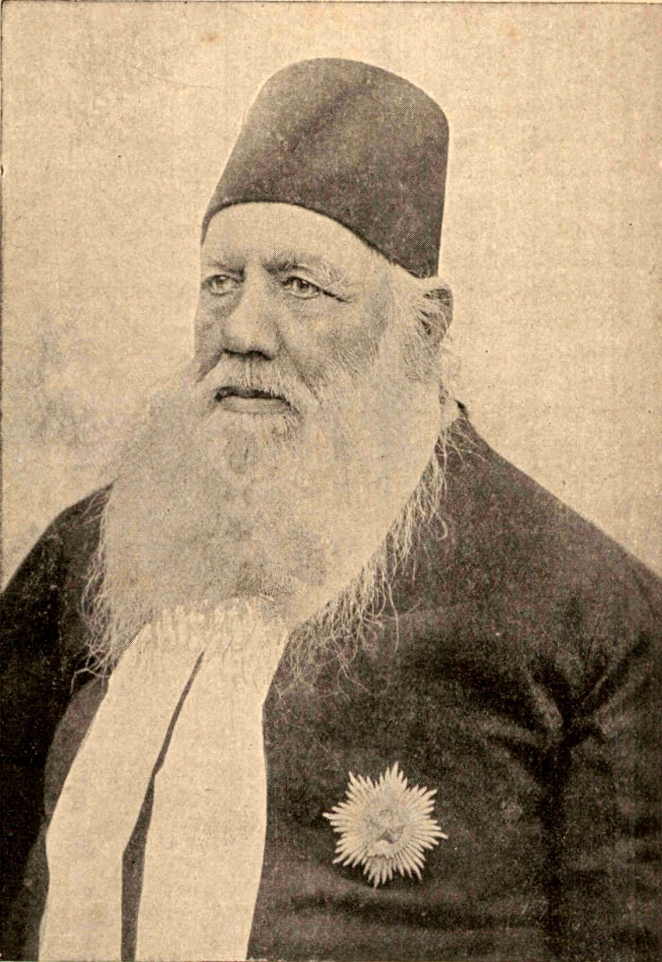
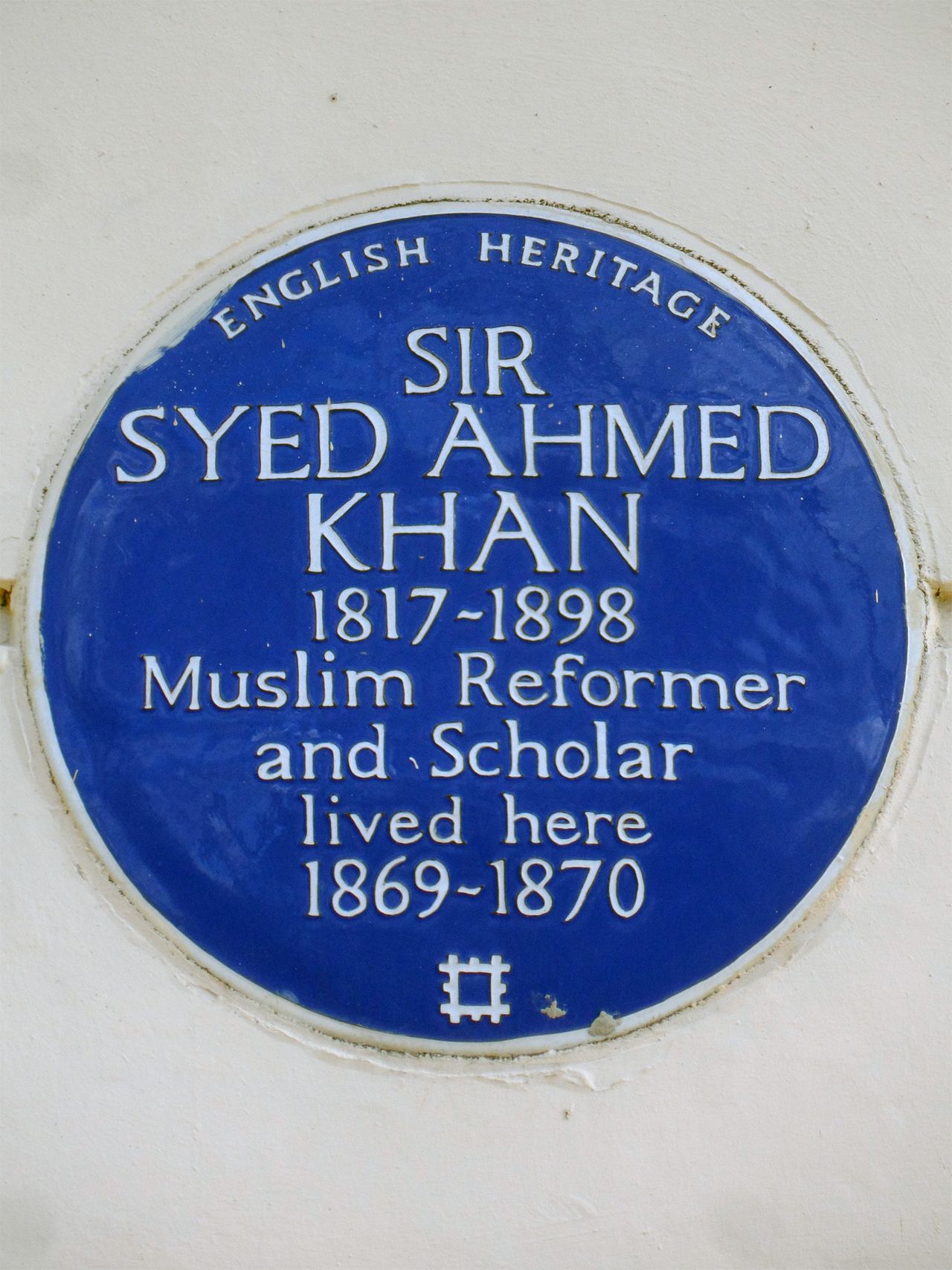
Sir Syed Ahmad Khan (17 October 1817 – 27 March 1898) was a prominent 19th‑century South Asian educator, social reformer and public intellectual who sought to modernize Muslim society in British India. Trained in traditional Muslim learning and employed in the colonial administration, he combined a pragmatic engagement with Western science and education with an effort to reinterpret certain religious doctrines for a changing age. He is best known for founding the Muhammadan Anglo‑Oriental College in 1875, the core institution that later became Aligarh Muslim University, and for launching journals and societies that promoted educational and social uplift.
Image gallery
10 Images




Early life and public career
Born into a family of relatively modest means, Syed Ahmad received a mixed education in Persian, Arabic and Islamic subjects, together with exposure to administrative practice. He entered service under the East India Company and held various judicial and revenue posts, which gave him detailed experience of the colonial state and of social conditions across northern India. His civil service career also exposed him to Western learning and to the technical and institutional advantages enjoyed by communities that had embraced modern schooling.
1857, political stance and evolving views
The uprising of 1857–58 had a deep impact on Syed Ahmad's outlook. During the events of 1857 (often called the First Indian War of Independence or the Indian Rebellion), he maintained a stance of loyalty toward the British authorities and took steps that saved some European lives. At the same time, he studied the causes of the upheaval and wrote analyses that attributed the revolt to a complex mix of military, administrative and cultural grievances rather than to a single community's deliberate treachery. After 1857 he argued that Muslims in India faced social and economic stagnation and that their recovery required practical engagement with modern education and state institutions rather than insurrection. This position made him controversial: some praised his realism, while others accused him of being overly conciliatory toward colonial power.
Educational and social reform efforts
Syed Ahmad's principal contribution was educational reform. He believed that Muslim decline was linked to a gap in modern scientific and administrative education and he promoted institutions and publications to close that gap. He founded the Scientific Society (initially in Ghazipur in the 1860s) to translate and disseminate scientific and technical works into Urdu and to encourage practical learning. He launched the monthly journal Tahzib‑ul‑Akhlaq (Manners and Morals), which published essays on social reform, family life, religion and education, and became a forum for debates among Muslim intellectuals.
- In 1875 he established the Muhammadan Anglo‑Oriental (MAO) College at Aligarh, combining liberal arts and modern sciences with instruction in English; this college later evolved into Aligarh Muslim University.
- He organized Muhammadan Educational Conferences to promote schooling, raise funds and set curricula compatible with modern employment requirements.
- He helped form local schools and committees to expand primary education and teacher training among Muslims.
Writings, religious thought and political advocacy
Syed Ahmad was a prolific writer and pamphleteer. His works ranged from historical and religious apologetics to policy‑oriented pamphlets aimed at colonial officials. Notable efforts included pamphlets defending Muslim loyalty to the government and essays that examined the causes of the 1857 revolt; one such essay was circulated among British administrators to explain local conditions and to plead for reforms. He also produced writings that sought to highlight commonalities between Islam and Christianity and to argue that Islam could accommodate certain elements of modern knowledge. Through such writings he attempted to persuade both Muslims to adopt modern education and the British to view Indian Muslims as reliable partners in governance.
Politics, communal identity and later reputation
Politically, Syed Ahmad's trajectory moved from advocating Hindu‑Muslim cooperation to emphasizing the distinct political interests of Muslims in a rapidly changing colonial polity. The founding of the Indian National Congress in 1885 prompted debates about representation, language and competitive examinations; Syed Ahmad and his allies often argued that Muslim socioeconomic disadvantages required safeguards and reserved representation to prevent majoritarian domination. His stance has been interpreted in different ways: some historians see him as a pragmatic reformer seeking educational and civil safeguards, others see him as an early voice for communal differentiation. He is widely regarded as a formative influence on the later development of Muslim political consciousness in South Asia and is sometimes described as an intellectual precursor to movements that eventually demanded separate political arrangements for Muslims in the 20th century.
Legacy and significance
Sir Syed Ahmad Khan's legacy is chiefly institutional and intellectual. The MAO College at Aligarh became a model for modern Muslim higher education in British India and produced generations of lawyers, administrators and scholars who shaped public life. His advocacy for scientific learning, rational engagement with religious texts, and community reform had a lasting cultural impact. Debates about his motives and methods remain part of South Asian historiography: supporters credit him with rescuing a lagging community through practical measures; critics contend that his alignment with colonial power and later emphasis on separate Muslim interests had political consequences that exceeded his intentions. Nonetheless, his role as an educator and reformer is broadly acknowledged, and references to him appear in discussions of the Aligarh movement, the nature of colonial citizenship and the intellectual origins of later political developments, including those associated with the Pakistan Movement.
Selected primary initiatives include the Scientific Society, the journal Tahzib‑ul‑Akhlaq, the Muhammadan Educational Conferences and the establishment of the MAO College. He also published explanatory tracts such as "The Loyal Muhammadans of India" and an "Essay on the Causes of the Indian Revolt" to communicate his analyses to British officials (see related essay) and to encourage policies he felt would stabilize society. Later critics and admirers alike have examined his speeches and articles to assess whether his arguments were communal or communitarian in intent; these assessments often refer to public addresses he made in towns such as Meerut and to his broader plea for Muslim educational regeneration.
For further contextual reading on his life and the institutions he founded, see introductions and archival materials linked to categories of educator (teacher) and public figure (politician), as well as general overviews of the 1857 uprising (the 1857 rebellion) and contemporary political organizations such as the Indian National Congress.
Questions and answers
Q: Who was Sir Syed Ahmed Khan?
A: Sir Syed Ahmed Khan was a teacher, politician, philosopher, and social reformer. He founded the school that would later become Aligarh Muslim University.
Q: What happened in 1857?
A: In 1857 there was a rebellion in India known as the First Indian War of Independence.
Q: How did Sir Syed Ahmed Khan respond to the rebellion?
A: During this time, Sir Syed Ahmed Khan kept loyal to the British and saved many European lives. After the rebellion he wrote a book where he said the British were in fact those who caused the rebellion.
Q: What did Sir Syed say in his speech at Meerut in 1888?
A: In his speech at Meerut in 1888, Sir Syed argued for an alliance between Indian Muslims and British Christians based on religious fanaticism by referencing verses from The Quran which state that Mohammedans cannot expect friendship and affection from any other people except Christians.
Q: What did Sir Syed do to improve educational standards among Muslims?
A: To improve educational standards among Muslims, Sir Syed set up a journal called Tahzib-ul-Akhlaq which contained articles of influential Muslims who agreed with his approach towards education; founded scientific society in Ghazipore; opened schools in Murdabad and Ghazipore; made a committee to raise funds for new schools; established Muhammadan Anglo Oriental school in Aligarh; and set up Muhammadan Educational Conferences in 1866.
Q: How did he increase political awareness of Muslims?
A: To increase political awareness of Muslims, Sir Syed initially believed Hindu-Muslim unity but later resolved to two-nation theory when he saw how Indian National Congress claimed to be body of every Indian regardless of religion but only functioned for Hindus while trying to eradicate Muslims. He opposed three demands made by Congress - political representation according population (which meant Hindu domination), appointment by competitive examinations (as Hindus had better education than Muslims) and Hindi replacing Urdu as official language (as Urdu had special place among Muslim hearts).
Related articles
Author
AlegsaOnline.com Sir Syed Ahmad Khan: Reformer, Educator, and Architect of the Aligarh Movement Leandro Alegsa
URL: https://en.alegsaonline.com/art/95592