
Singer: Voice, Roles, Techniques and Cultural Significance
Overview of singers: definitions, voice types and techniques, roles in bands and ensembles, history and cultural importance, training, careers and common distinctions.
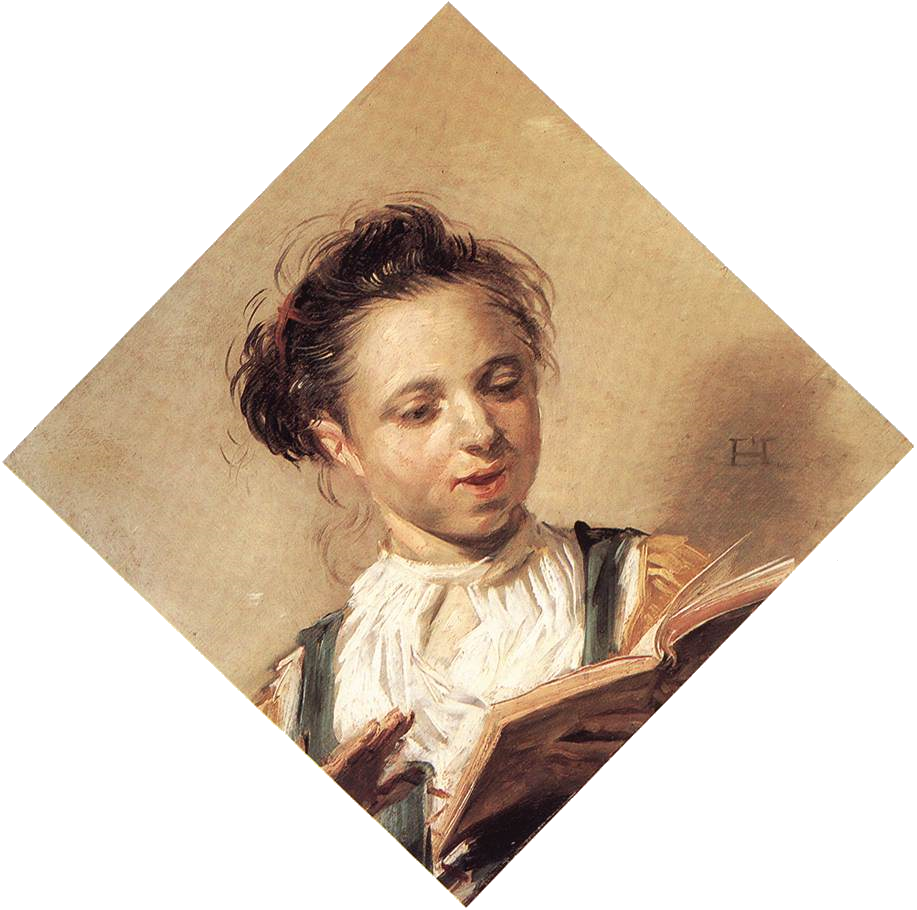
A singer is a person who produces musical sound with the human voice. Anyone who sings can be called a singer, whether they do so for pleasure, community, religious practice or as a profession. Some perform as a job and are considered professional artists; others are hobbyists and community members often labeled amateur performers. Repertoire varies widely and may include songs, opera, choral works, traditional folk material and contemporary popular music. Singers may appear alone, with a single instrument, or supported by an orchestra or band.
Image gallery
9 Images





Vocal characteristics and technique
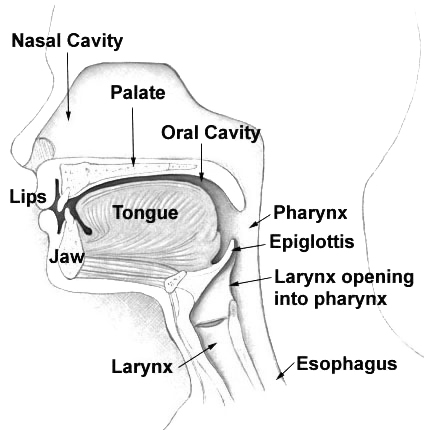
Human voices differ by range, timbre and register; common categories include soprano, mezzo-soprano, alto, tenor, baritone and bass. Effective singing relies on breath control, resonance, diction and healthy vocal fold use. Singers often study techniques such as posture, diaphragmatic support and vowel shaping. While some train to be a professional singer, many techniques are also accessible to nonprofessionals seeking better tone or vocal stamina.
Roles, accompaniment and ensemble work
In ensembles, roles are defined by musical and social functions. A lead vocalist sings the principal melodic line; in popular music that performer is often the public face of the group. The lead may also play an instrument—piano, piano, guitar or harp among others—and sometimes serves as the group's spokesperson. Bands commonly give interviews, where the singer speaks for the group; these exchanges are recorded in press interviews. Historical examples of singer-frontmen include figures like Jerry Garcia, who was a principal voice for the Grateful Dead.
History and cultural importance
Singing is one of the oldest forms of human musical expression and appears in ritual, storytelling and entertainment across cultures. From courtly and sacred traditions to street performance and mass media, singers have carried language, memory and artistic innovation. Singing plays a prominent role in movies and theatre, shaping narrative and emotional impact; it also anchors community events like festivals, worship and civic ceremonies.
Genres, examples and distinctions
Genres shape how singers use their voice: classical and operatic singers prioritize sustained lines and projection, choral singers focus on blend and intonation, while jazz and pop singers emphasize phrasing, tone color and personal interpretation. A performer who accompanies themself on an instrument may be labeled a singer-songwriter, while a choral soloist or operatic lead follows different stylistic expectations. Understanding these distinctions helps audiences and musicians set appropriate expectations for technique and repertoire.
Training, careers and vocal health
Training ranges from informal community choirs to conservatory education. Aspiring professionals study languages, music theory and stagecraft in addition to vocal technique; amateurs benefit from ensemble singing and private lessons. Vocal health is essential: rest, hydration and sensible use prevent strain and injury. Whether singing for personal enjoyment or pursuing a career, the human voice remains a versatile and powerful medium for expression and communication.
Questions and answers
Q: What is a singer?
A: A singer is a person who sings with their voice.
Q: Can anyone be a singer?
A: Yes, anyone who is singing is a singer.
Q: Are all singers paid for their singing?
A: No, some singers may sing without being paid and are called amateur singers, while others do it as a job and are professional singers.
Q: What types of music can singers sing?
A: Singers may sing anything, including songs, opera, and more.
Q: Can singers play musical instruments while they sing?
A: Yes, some singers also play instruments like piano, guitar, or harp while they sing.
Q: Is singing important in movies and theatre?
A: Yes, singing is important in movies and theatre.
Q: Who is a lead vocalist?
A: A lead vocalist is the member of a band who sings the main solo vocal portions of a song. They may also play one or more instruments, and are usually the "leader" of their group, often the spokesperson in interviews and before the public. They are sometimes referred to as the frontman.
Related articles
Author
AlegsaOnline.com Singer: Voice, Roles, Techniques and Cultural Significance Leandro Alegsa
URL: https://en.alegsaonline.com/art/90634
Sources
- rockhall.com : "The Grateful Dead Biography"