
Sydney Pollack (1934–2008) — film director, producer and actor
American film and television director, producer and actor best known for Out of Africa, Tootsie and Three Days of the Condor; winner of multiple awards including two Oscars and an Emmy.
Sydney Pollack was an American film and motion-picture television director, producer and actor. He directed character-driven dramas and thrillers, and he later took on supporting acting roles. Pollack's work combined commercial appeal with attention to performance and moral complexity.
Image gallery
1 Image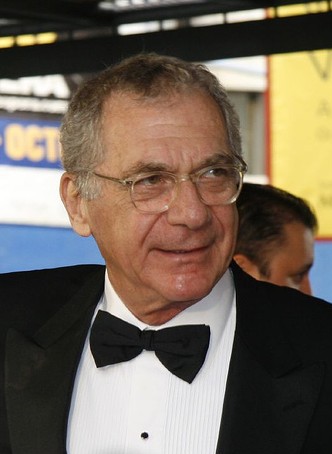
Early life and beginnings
Born in Lafayette, Indiana, Pollack spent part of his childhood in South Bend before moving to New York City as a young man to pursue work in the arts and entertainment industry. His Midwestern roots and early exposure to theater and television influenced a pragmatic approach to storytelling, which he developed while working in television during the 1950s and 1960s.
Film career and notable works
Pollack made the transition from television to feature films in the 1960s and achieved critical attention with several acclaimed pictures. His notable films include They Shoot Horses, Don't They? (a stark drama set during the Great Depression), Jeremiah Johnson (an outdoorsman character piece), Three Days of the Condor (a political thriller), Tootsie (a comedy about performance and identity) and Out of Africa, for which he received wide recognition. These titles illustrate his range across genre and tone.
- They Shoot Horses, Don't They? — breakthrough critical success
- Jeremiah Johnson — rugged character study
- Three Days of the Condor — espionage thriller
- Tootsie — comic and social themes
- Out of Africa — sweeping romantic drama
Awards, style and collaborations
Pollack received industry recognition throughout his career: an Emmy Award in 1966 and multiple film awards later on. His 1985 film Out of Africa won several Academy Awards and a Golden Globe; Pollack himself earned two Academy Awards for his work on that film. He was known for eliciting strong performances from actors such as Robert Redford, Meryl Streep and Dustin Hoffman, and for a directing style that balanced careful pacing with clear character psychology.
Acting, later work and legacy
In addition to directing and producing, Pollack occasionally appeared on screen, most notably in a supporting role in Stanley Kubrick's Eyes Wide Shut. Later in his life he remained active as a producer and mentor, influencing a generation of filmmakers who valued actor-focused storytelling. His films continue to be studied for their craft, performances and blend of mainstream and art-house elements.
Pollack died on May 26, 2008, in Pacific Palisades, Los Angeles, California, of cancer of unknown primary origin. He left behind a body of work that spans television and feature films and a reputation as a director who combined commercial success with critical regard.
For further reading and filmographies see selected resources: biographical overview, awards and honors.
Related articles
Author
AlegsaOnline.com Sydney Pollack (1934–2008) — film director, producer and actor Leandro Alegsa
URL: https://en.alegsaonline.com/art/95588