
Human Genitalia: Anatomy, Function, and Cultural Context
Comprehensive guide to human genitalia: male and female anatomy, reproductive and urinary functions, sexual health roles, and cultural and legal perspectives on nudity and public exposure.
Sex organs, commonly called the genitalia by scientists, are the body structures involved in sexual reproduction. They are also related to the passage of urine in humans: in males the urethra runs through the penis, while in females the urinary opening is separate from the reproductive tract (urination). Many animals have specialised reproductive organs; this article concentrates on those of human beings.
Image gallery
3 Images

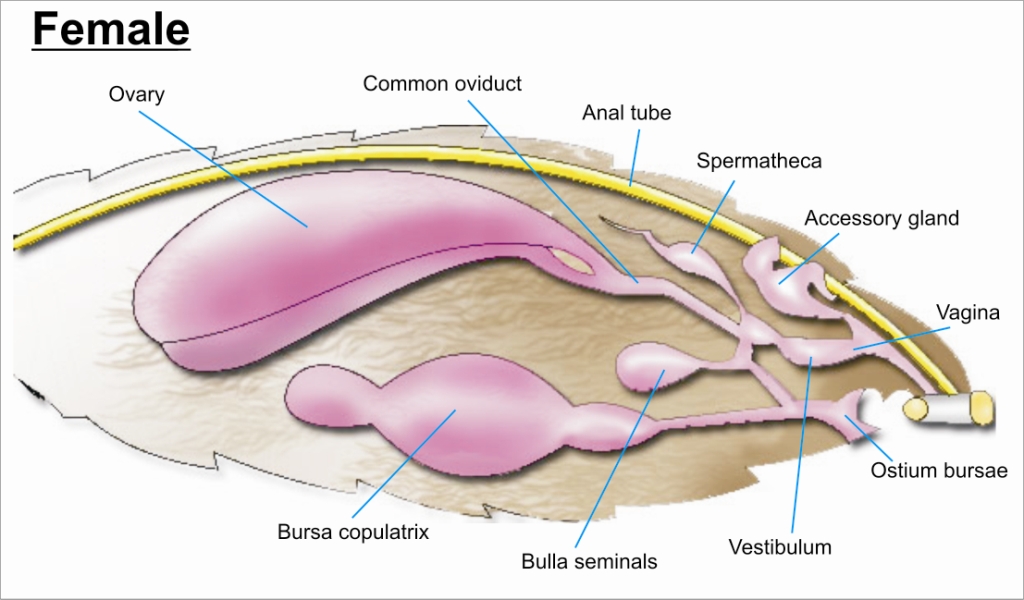
Anatomy and function
Human genitalia include external and internal parts. Their primary role is reproduction — producing, transporting and, in females, supporting the development of new life. They also participate in sexual pleasure and, in some cases, the elimination of urine.
Male reproductive organs
- Penis — the external organ used during sexual activity; contains the urethra, which conveys urine and semen.
- Scrotum — the pouch of skin that holds the testicles and helps regulate their temperature.
- Testicles — glands inside the scrotum that generate sperm and the hormone testosterone, the latter contributing to male physical development and secondary sexual characteristics.
- Accessory glands (for example the prostate and seminal vesicles) secrete a fluid that mixes with sperm to form semen, which is expelled during ejaculation.
Female reproductive organs
- Vulva — the collective name for the external female genital structures surrounding the vaginal and urethral openings.
- Vagina — the muscular canal leading to the internal reproductive organs; it receives the penis during sexual intercourse and serves as the birth canal.
- Uterus — also called the womb; a muscular organ where a fertilised egg implants and a fetus develops during pregnancy.
- Ovaries — the organs that release ova (egg cells) and produce hormones such as estrogen, which influence female development and reproductive cycles.
- Fallopian tubes — the passages that carry ova from the ovaries toward the uterus and where fertilisation commonly occurs.
Social and legal aspects
Attitudes toward nakedness and the display of genitalia vary widely between cultures. In many societies people are prudish about public exposure of genitals; laws against public indecency restrict when and where nudity is permitted. Designated spaces such as nudist colonies exist in some places for people who prefer social nudity.
Questions and answers
Q: What are the sex organs?
A: The sex organs, also known as the genitalia or genitals, are parts of the body that allow sexual reproduction and urination to take place.
Q: How do men and women differ in terms of their genitals?
A: Men have external genitals such as the penis and scrotum, while women have external genitals called the vulva. Inside their bodies, men have testicles which produce sperm and testosterone, while women have a vagina, uterus, ovaries which produce ova and estrogen.
Q: What is produced by the testicles in men?
A: The testicles in men produce sperm and a substance called testosterone.
Q: What is produced by the ovaries in women?
A: The ovaries in women produce ova (egg cells) and a substance called estrogen.
Q: Are there any laws regarding public exposure of genitals?
A: Yes, many societies consider it indecent to expose one's genitals publicly except in special places like nudist colonies. As such, public indecency laws exist to prevent this from happening.
Q: What connects the ovaries to the uterus in women?
A: In women, Fallopian tubes connect the ovaries to the uterus.
Q: How does testosterone make someone grow into a man?
A: Testosterone helps someone grow into a man physically as well as emotionally by making them feel more masculine.
Tags
Related articles
Author
AlegsaOnline.com Human Genitalia: Anatomy, Function, and Cultural Context Leandro Alegsa
URL: https://en.alegsaonline.com/art/89265