
Urination (micturition)
Urination, or micturition, is the physiological process by which animals and humans eliminate urine produced by the kidneys; it has anatomical, clinical, and social dimensions.
Urination, also called micturition, is the controlled release of urine from the body. In both animals and humans, urine is a fluid waste produced by the kidneys after filtering blood. That fluid, commonly called urine, is temporarily stored and then expelled from the body by actions of the urinary tract, including the bladder.
Image gallery
10 Images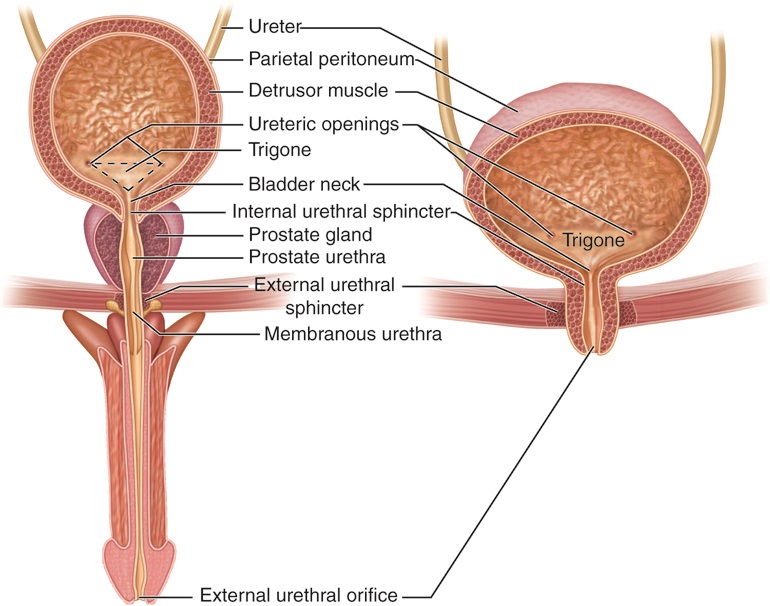


Anatomy and function
The urinary system comprises several cooperating parts: the kidneys filter metabolic waste and excess water; the ureters carry urine from the kidneys to the bladder; the bladder stores the fluid; and the urethra conducts urine out of the body. Muscles and neural reflexes coordinate storage and release. A pair of sphincters and the pelvic floor provide voluntary and involuntary control over the final act of urination.
Physiology and normal characteristics
The process of emptying the bladder is typically triggered by a rising bladder volume that activates sensory nerves and a spinal reflex. Adults usually exert conscious control over voiding; infants and some people with neurological conditions do not. Urine volume, color, and odor change with hydration level, diet, activity, medications, and health status. Typical variations are normal, but sudden changes can indicate illness.
Common conditions and diagnostic uses
- Incontinence: involuntary leakage of urine, which may result from weakness of pelvic muscles, nerve damage, or other causes.
- Retention: inability to empty the bladder fully, which can be acute or chronic and sometimes requires medical attention.
- Infections and stones: urinary tract infections and kidney stones often affect urination and are diagnosed with urine tests.
Urinalysis is a routine diagnostic tool that assesses appearance, chemical composition, and microscopic contents of urine. Urine tests are used for screening, monitoring kidney function, detecting infections, and confirming pregnancy.
History, behavior, and cultural aspects
Human solutions for waste separation and disposal evolved from simple outdoor elimination to complex sanitation systems and toilets. Cultural norms govern privacy, public facilities, and hygiene practices. In many animal species, urination also serves behavioral functions such as scent marking and territorial signaling.
Notable distinctions and advice
Urination differs from defecation: the former expels liquid metabolic waste, while the latter removes solid digestive waste. Persistent changes in frequency, pain, blood in urine, or inability to urinate warrant medical evaluation. Simple measures—adequate hydration, timely toileting, and hygiene—support healthy urinary function.
Related articles
Author
AlegsaOnline.com Urination (micturition) Leandro Alegsa
URL: https://en.alegsaonline.com/art/103609