
Uterus (womb): structure, function, and clinical significance
Overview of the uterus: anatomy, role in menstrual cycle and pregnancy, common conditions, and clinical considerations in women’s reproductive health.
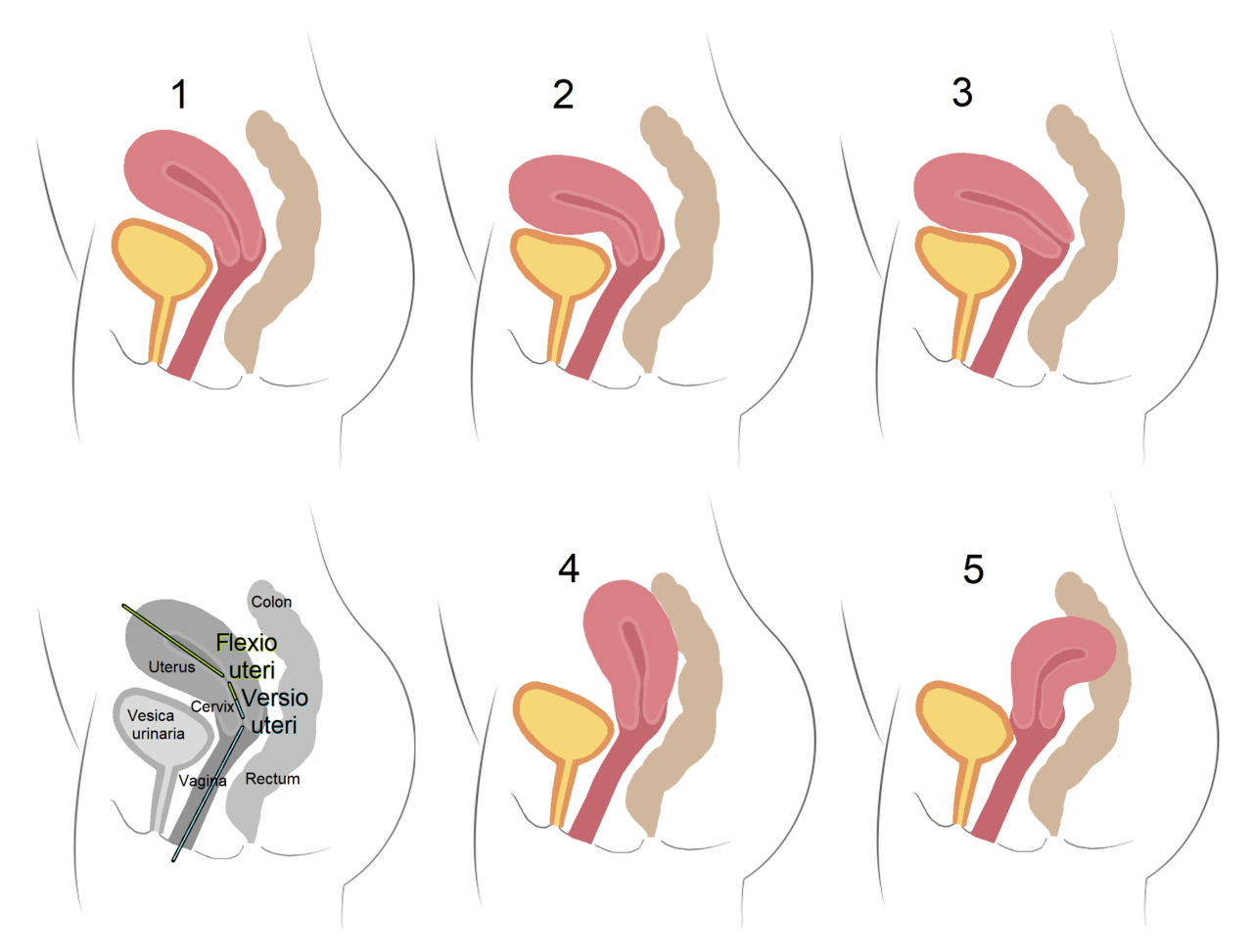
The uterus, commonly called the womb, is a central organ of the human reproductive system. Located in the pelvis of the female body, it is a hollow, muscular structure that provides the environment for implantation and growth of an embryo during pregnancy. Typically described as pear-shaped, the uterus sits behind the bladder and in front of the rectum. In the non-pregnant adult the uterus is relatively small and light; during pregnancy it enlarges dramatically to accommodate the developing fetus.
Image gallery
10 Images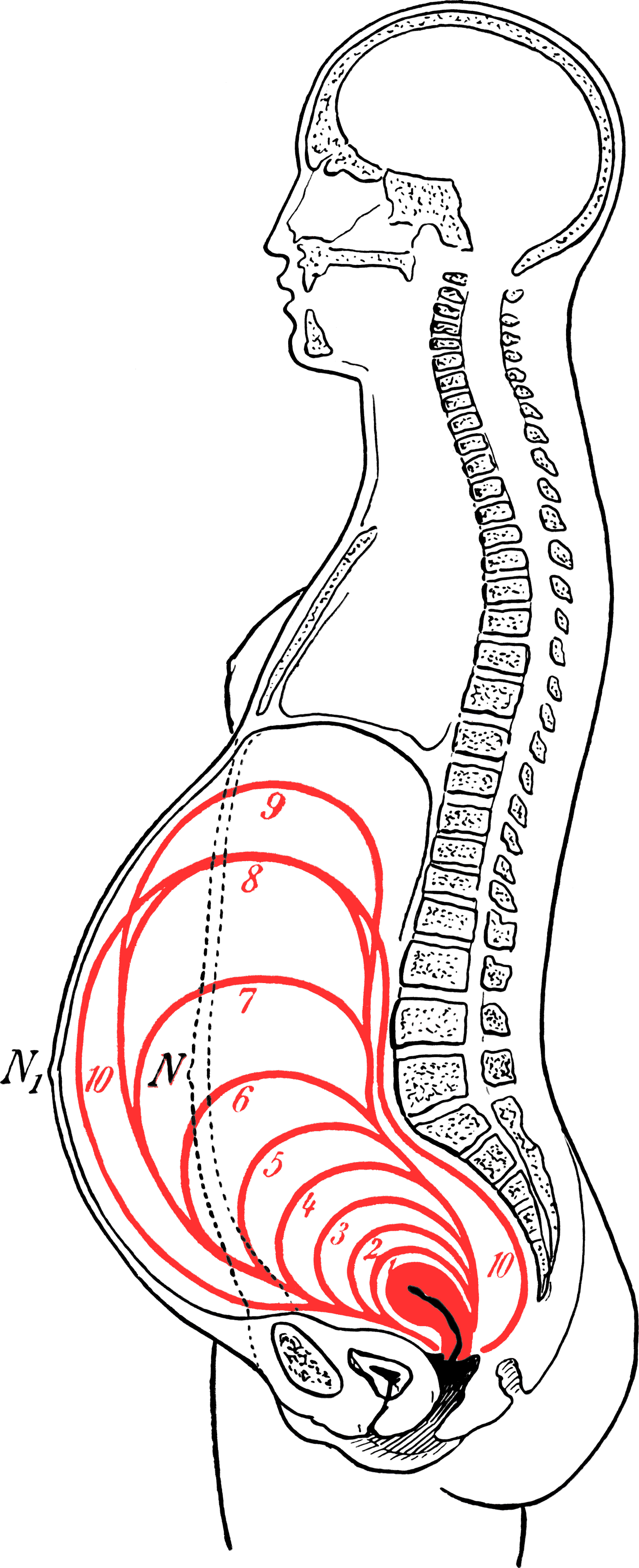





Anatomy and layers
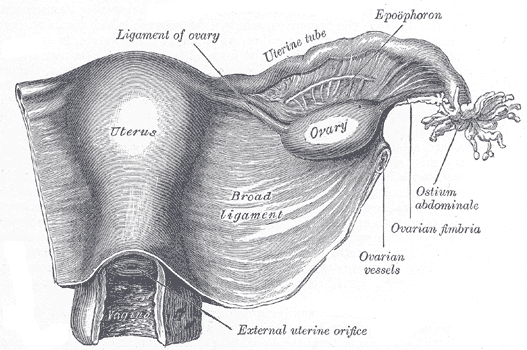
The uterus has three principal regions: the fundus (top), the body (central cavity), and the cervix (the lower, narrow portion that opens into the vagina). Its wall is made of distinct layers. The inner lining, the endometrium, is glandular and cyclical. The thick middle layer, the myometrium, is composed of smooth muscle responsible for contractions. The outer serous layer, the perimetrium, covers the surface. The uterine cavity connects on each side to a fallopian tube, which conducts the ovulated egg toward the uterus. The cervical canal leads from the uterine cavity to the vagina and acts as a barrier and gateway during different reproductive stages.
Physiology and the menstrual cycle
Hormones produced by the ovaries regulate changes in the uterus. Estrogen stimulates proliferation of the endometrium, while progesterone stabilizes it after ovulation so it can support an implanted embryo. The endometrium is rich in blood vessels and secretory tissue; when implantation does not occur the lining is shed during menstruation, releasing blood and tissue. Typical cycles average about 28 days but vary widely among individuals. The coordinated interplay between ovarian hormones and uterine responses is central to fertility and regular menstrual patterns.
Pregnancy, childbirth and other functions
If a fertilized egg reaches the uterus and embeds in the endometrium, the uterus supports embryonic and fetal development throughout pregnancy. The placenta forms at the site of implantation and facilitates nutrient, gas and waste exchange between mother and fetus. During labor the myometrium contracts rhythmically to help deliver the baby; these contractions are regulated by hormones such as oxytocin and local muscular responsiveness. The uterus also plays a role in limiting infection and in the postpartum return to a non-pregnant state.
Clinical relevance and common conditions
The uterus is affected by a range of benign and malignant conditions. Uterine fibroids (benign smooth-muscle tumors), endometriosis (growth of endometrial-like tissue outside the uterus), abnormal bleeding, uterine prolapse, and cancers of the endometrium or cervix are among the most common clinical issues. Treatments may include medication, minimally invasive procedures, or surgery such as myomectomy or hysterectomy. Intrauterine devices (IUDs) are a common contraceptive method placed inside the uterine cavity to prevent pregnancy.
Understanding of uterine structure and function has evolved over centuries from anatomical description to modern imaging and molecular biology. Routine gynecological exams, ultrasound, and histological tests help diagnose uterine disorders and guide treatment. For concise patient information, consult authoritative health sources via links such as reproductive system overview or clinical guidelines available from professional organizations (women's health, clinical resources).
Notable facts
- The endometrium renews itself each cycle in response to ovarian hormones (estrogen and progesterone).
- An embryo usually reaches and implants in the uterine cavity after travel through the fallopian tube.
- Menstrual bleeding (menstruation) results from breakdown and discharge of the endometrial lining and associated blood.
- Because of its location near the bladder and rectum, uterine conditions can affect pelvic organs and function.
For further reading about reproductive anatomy, menstrual health, pregnancy care, and clinical conditions affecting the uterus consult specialized medical resources or speak with a healthcare professional. Additional introductory material is available through general anatomy and gynecology references (pregnancy resources, anatomical descriptions, endometrial biology).
Questions and answers
Q: What is the uterus?
A: The uterus is a pear-shaped organ inside the female body and is part of the reproductive system.
Q: What happens in the uterus during pregnancy?
A: The uterus is the place where a baby grows for nine months during pregnancy.
Q: Where is the uterus located in the female body?
A: The uterus is located behind the bladder and in front of the rectum.
Q: What is the weight of the uterus?
A: The uterus weighs around 70 grams.
Q: What is the endometrium?
A: The endometrium is the tissue that lines the uterus.
Q: What is the function of the endometrium in the uterus?
A: The endometrium is made thick with blood and fluid by a hormone called estrogen, which gives the growing baby what it needs to grow.
Q: What happens to the endometrium every month?
A: The endometrium leaves the uterus as the monthly flow of blood, also known as menstruation, and then it will form again every 28 days or a different number of days for each woman.
Related articles
Author
AlegsaOnline.com Uterus (womb): structure, function, and clinical significance Leandro Alegsa
URL: https://en.alegsaonline.com/art/103728
Sources
- girlshealth.gov : "How the female reproductive system works | girlshealth.gov"
- cancer.ca : "The uterus - Canadian Cancer Society"
- emedicine.medscape.com : "Uterus Anatomy: Overview"
- emedicine.medscape.com : "Uterus Anatomy: Natural Variants"
- cancer.gov : "NCI Dictionary of Cancer Terms"
- ncbi.nlm.nih.gov : "Congenital vesicouterine fistulas-A PRISMA-compliant systematic review"
- doi.org : 10.1002/nau.23795
- worldcat.org : 1520-6777
- pubmed.ncbi.nlm.nih.gov : 30106189
- emedicine.medscape.com : "Mullerian Duct Anomalies: Overview, Incidence and Prevalence, Embryology"
- ncbi.nlm.nih.gov : "Uterine anomalies. How common are they, and what is their distribution among subtypes?"
- worldcat.org : 0024-7758