
Sperm: the male reproductive cell and its role in fertilization
Sperm are male gametes that deliver paternal DNA to the egg. Found across animals and many plants, they vary in form, motility and delivery, and are central to natural reproduction and assisted fertility care.
Overview
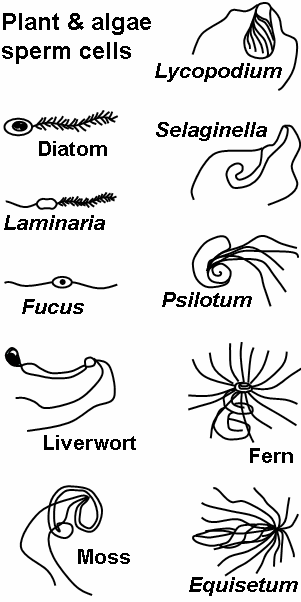
Sperm are the haploid male gametes that carry paternal genetic material to the female gamete (egg or ovum) during sexual reproduction. They occur throughout most animal groups and in several lineages of plants and algae. Sperm vary greatly in shape, size and how they reach the egg: many animal sperm are motile, while sperm of many seed plants are non‑motile and carried by pollen tubes.
Image gallery
6 Images


Structure and development
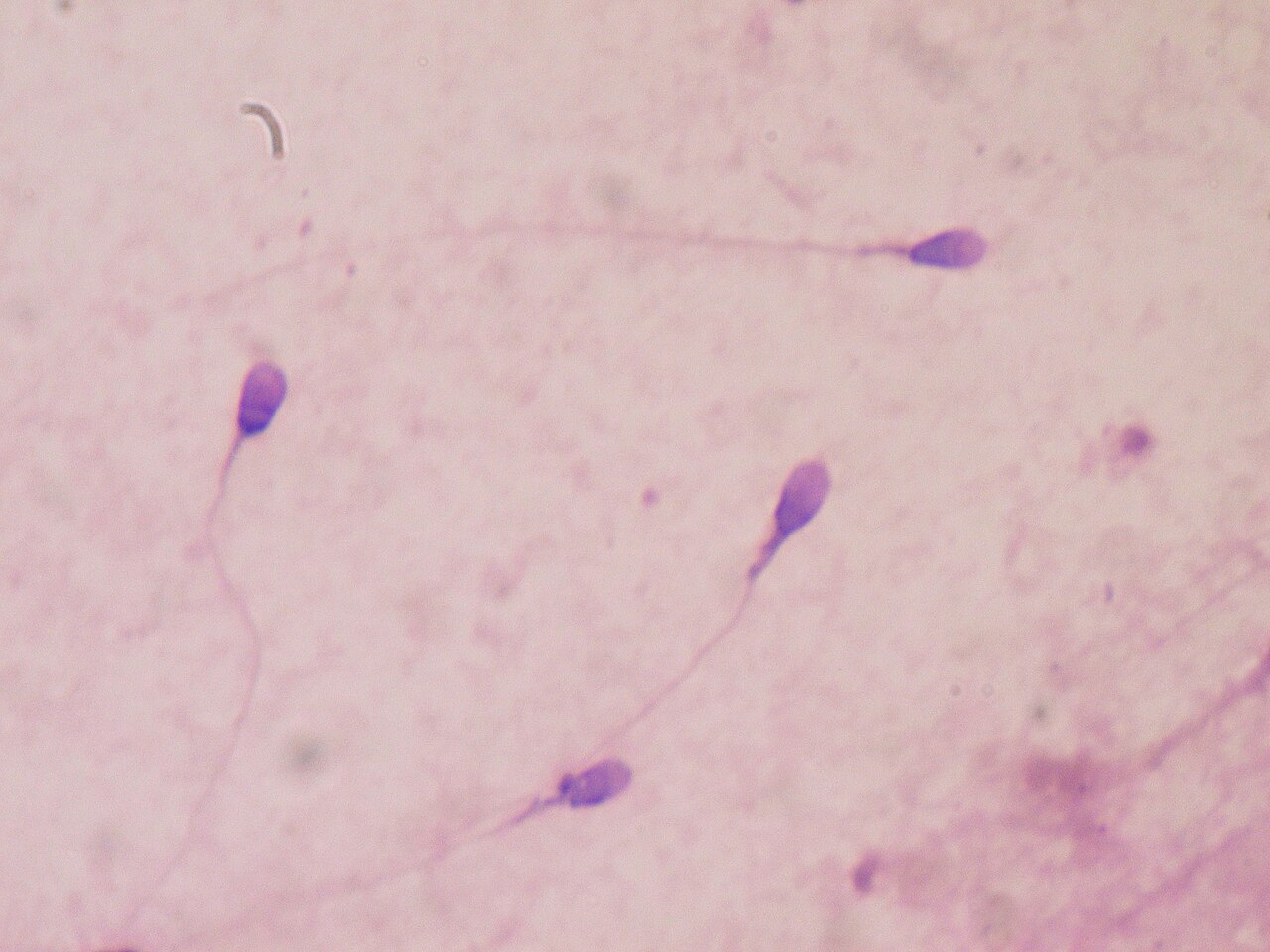
Typical animal sperm have three main regions: a head that contains a compact haploid nucleus and an acrosome (a vesicle with enzymes that aid penetration of the egg), a midpiece rich in mitochondria that provide energy, and a flagellum (tail) that propels the cell. These parts work together to enable movement and to deliver the genome at fertilization.
- Head: condensed chromatin and acrosomal enzymes.
- Midpiece: mitochondria and cytoskeletal elements for energy supply.
- Flagellum: a microtubule‑based structure enabling motility.
Sperm are produced by spermatogenesis in the testes of animals and by corresponding gametogenic processes in other groups. During development and maturation they undergo morphological and biochemical changes that prepare them for fertilization.
Fertilization process and key events
Fertilization typically involves several stages: transport of sperm to the site of the egg, capacitation and physiological changes that increase fertilizing ability, recognition and binding to the egg coat, an acrosome reaction that helps the sperm penetrate protective layers, and finally fusion of sperm and egg membranes to form a zygote. Capacitation and the acrosome reaction are especially well described in mammals.
Variation across organisms
Sperm diversity reflects ecological and reproductive strategies. Many aquatic organisms and lower plants have flagellated sperm that swim through water, while many flowering plants use non‑motile sperm delivered via pollen tubes. Among animals, reproductive modes range from external fertilization with large numbers of sperm released into the environment, to internal fertilization where fewer sperm are deposited closer to the egg.
Sperm competition, selection and longevity
When multiple males may sire offspring, selection can favor traits such as high sperm numbers, motility or morphology that improve competitive success. In some species females store sperm for extended periods under conditions that maintain viability. Human sperm survive for limited time in the female reproductive tract, with exact durations varying by context.
Clinical relevance and applications
In medicine and animal breeding, sperm are central to assisted reproduction technologies such as in vitro fertilization (IVF) and intracytoplasmic sperm injection (ICSI). Sperm analysis is used to assess fertility, and sperm banks enable storage for later use. Abnormalities in sperm count, shape or motility are common factors in male infertility and are investigated clinically.
History and scientific study
The word sperm comes from the Greek sperma meaning "seed." Observations with early microscopes in the 17th century revealed spermatozoa and led to investigations of reproduction. Modern cell and molecular biology have clarified the haploid nature of sperm, the mechanics of motility, and molecular events at fertilization.
Further reading and resources
For general and specialist information consult these topics:
Questions and answers
Q: What are sperm cells?
A: Sperm cells are the male reproductive cells that are used by most animals and plants to reproduce.
Q: Where does the name "sperm" come from?
A: The name "sperm" comes from the Greek word "sperma," which means seed.
Q: What is the purpose of sperm cells?
A: The purpose of sperm cells is to fertilize the egg of the female and grow into a new organism.
Q: How do animals and plants make and release sperm cells?
A: Animals and plants have different ways of making and releasing sperm cells.
Q: What is the structure of an animal sperm cell, including humans?
A: An animal sperm cell, including humans, has a small 'head' and a long tail called a flagellum.
Q: What is the function of the flagellum in an animal sperm cell?
A: The flagellum acts like a motor to propel the sperm cell through the female reproductive system.
Q: Why does an animal sperm cell need to be capable of movement?
A: An animal sperm cell needs to be capable of movement in order to get to the uterus to meet with the ovum for fertilization.
Related articles
Author
AlegsaOnline.com Sperm: the male reproductive cell and its role in fertilization Leandro Alegsa
URL: https://en.alegsaonline.com/art/92630
Sources
- etymonline.com : "Etymology of Sperm"
- questdiagnostics.com : "SemenAnalysis Male Fertility Test, Sperm Count"