
Sexual intercourse
Physical act by which individuals engage for reproduction, pleasure, bonding or social reasons; includes penile–vaginal sex and a range of other consensual practices across species.
Overview
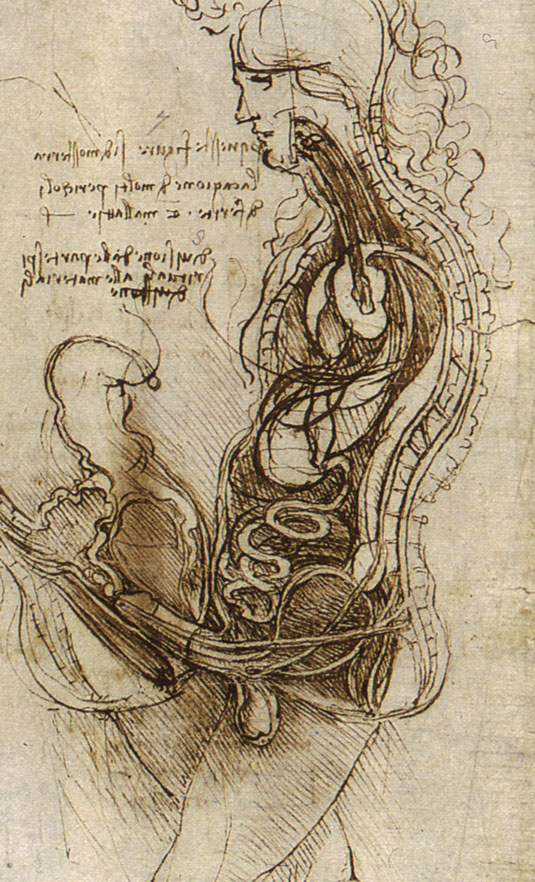
Sexual intercourse commonly refers to the act in which the male genital organ penetrates the female genital organ, most typically the insertion of the penis (penis) into the vagina (vagina). In biology this behaviour is central to sexual reproduction (sexual reproduction) in many species, but in a broader human and zoological sense it also describes a variety of sexual activities carried out for pleasure, pair-bonding, dominance, or social functions. Both humans and other animals may engage in intercourse with partners of the opposite sex (opposite sexes) or with same-sex individuals (same-sex), and some organisms are hermaphroditic (hermaphroditic) as in certain snails.
Image gallery
7 Images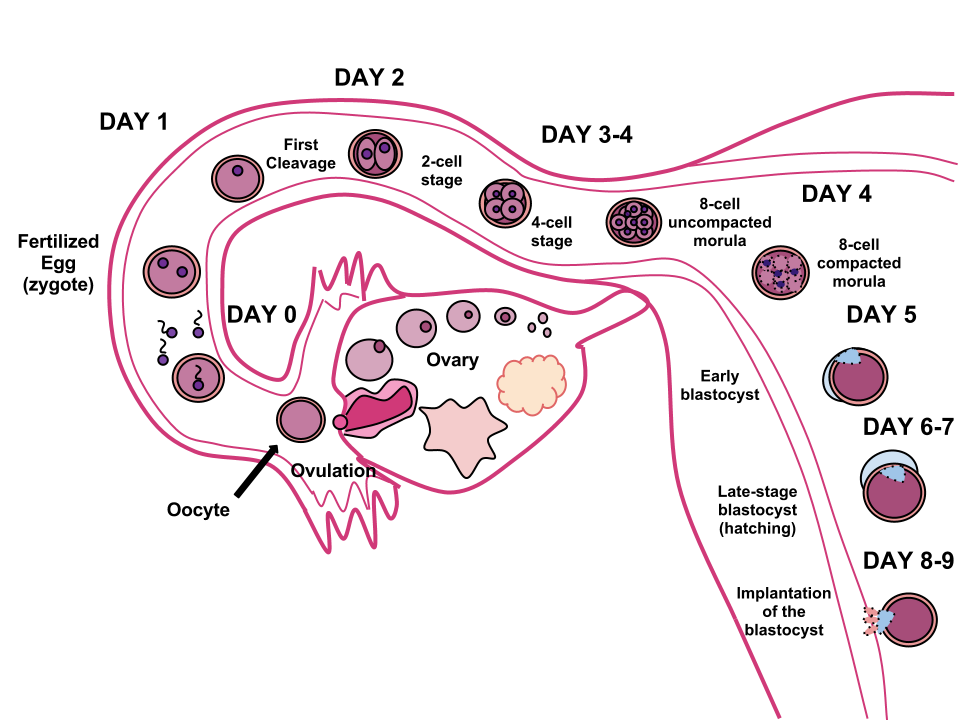



Biological features and mechanics
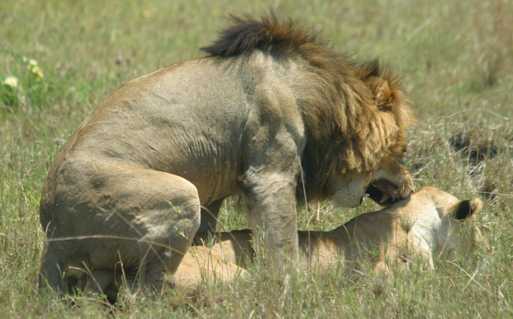
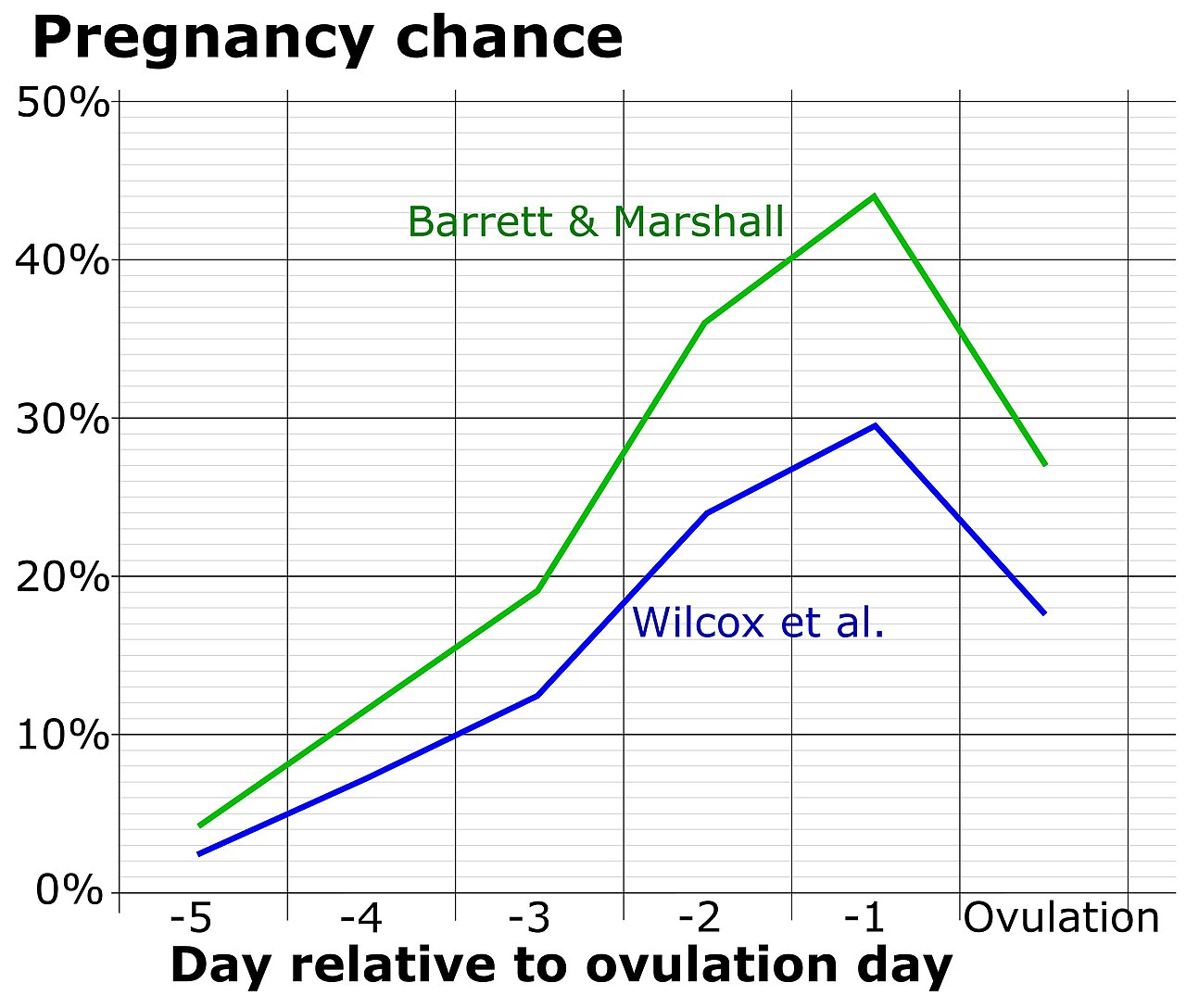
At its most basic biological level, intercourse can bring gametes together: sperm from a male reaches an ovum in a female, potentially resulting in fertilization. Mammalian mating often follows cycles of fertility such as estrus, when females are most receptive. In many species the behaviour is tightly linked to reproduction; in others, like bonobos, dolphins, and chimpanzees, sexual activity is also used in social contexts and may occur outside fertile windows. Human sexual behaviour is complex, shaped by anatomy, hormones, psychology and culture.
Variations, terminology and practices
Although penile–vaginal intercourse is a widely understood definition, many sources broaden the term to include other forms of genital contact. These include oral practices (oral intercourse), anal intercourse (anal intercourse), and manual stimulation such as fingering (fingering) or fisting (fisting). Whether these acts are grouped under the single term 'intercourse' varies by medical, legal and cultural context. Discussions of intercourse also consider consent, the ages of participants (commonly summarized as teleiophilic when between adults), and measures for prevention of pregnancy and sexually transmitted infections.
History, evolution and cross‑species differences
The evolutionary role of intercourse is to mix genetic material and increase variability in offspring. Over evolutionary time, species have developed diverse reproductive strategies — from external fertilization in many fish to internal copulation in mammals and reptiles. Some species display fleeting mating encounters, others form long-term pair bonds. Hermaphroditism, sequential sex change, and same-sex sexual behaviour are evolutionary adaptations seen across taxa and demonstrate that intercourse serves multiple functions apart from producing offspring.
Social, cultural and public‑health aspects
In human societies intercourse carries profound cultural meanings. It is regulated by laws (for example, age-of-consent rules), shaped by religious and ethical systems, and addressed by public-health policies focusing on contraception, pregnancy care and prevention of sexually transmitted infections. Education about intercourse aims to promote informed, consensual decision-making and reduce harm. In addition to reproduction, people often engage in intercourse for pleasure, intimacy and to strengthen emotional bonds.
Key distinctions and common terms
- Reproductive vs non-reproductive: Some sexual acts are capable of producing offspring; others serve social or recreational roles.
- Species variation: Mating systems and the function of intercourse vary widely among animals.
- Sex and gender: Intercourse involves bodies and identities; descriptions may refer to biological sexes (opposite sexes) or to same-sex activity (same-sex).
- Alternate anatomies: Some organisms are hermaphroditic and practice mutual exchange, as seen in snails.
- Terms and practices: Commonly used technical names include coitus and copulation; related acts include oral intercourse, anal intercourse, fingering, and fisting.
- Mating behaviour: The general process of coming together to reproduce is called mating.
For further reading on anatomy, reproductive biology, and social aspects of sexual behaviour, consult specialized medical and zoological sources or public health guidance provided by trustworthy institutions (see anatomy references, see reproductive biology). The subject links biology with culture and ethics and remains an important area of research and education.
Questions and answers
Q: What is sexual intercourse?
A: Sexual intercourse is the insertion and thrusting of a male's penis into a female's vagina. It can also be referred to as coitus, copulation, having sex or sleeping together.
Q: Are there other forms of sexual intercourse besides penetration?
A: Yes, there are other forms of sexual intercourse such as oral intercourse or anal intercourse that do not involve the penetration of sexual organs. Fingering and fisting are also considered to be part of the definition of sexual intercourse.
Q: Is mating different from sexual reproduction?
A: Yes, mating is when two animals come together for the purpose of sexual reproduction while sexual reproduction involves the fusion of gametes (sperm and egg) to create an offspring.
Q: When do mammals usually mate?
A: Mammals usually mate when the female is at its most fertile period in its reproductive cycle which is known as estrus.
Q: Do some animals engage in sex acts even when they are not reproducing?
A: Yes, some animals such as bonobos, dolphins and chimpanzees engage in sex acts even when they are not reproducing which suggests that it may be done for pleasure rather than just for procreation.
Q: Why do humans have sex?
A: Humans typically have sex primarily for pleasure although it can also serve other functions such as strengthening social bonds between partners.
Tags
Related articles
Author
AlegsaOnline.com Sexual intercourse Leandro Alegsa
URL: https://en.alegsaonline.com/art/89292
Sources
- britannica.com : Sexual intercourse
- health.discovery.com : "Sexual Intercourse"
- bbc.co.uk : "Common snail, garden snail"
- books.google.com : McDonald's Veterinary Endocrinology and Reproduction
- sfgate.com : sfgate.com
- wired.com : "Animals Just Want to Have Fun"
- theguardian.com : "1.5% of Britons say they are gay or bisexual, ONS survey finds"
- kidshealth.org : "About sexually transmitted diseases (STDs)"
- sexualhealth.com : "Sexual Intercourse"
- pubmed.ncbi.nlm.nih.gov : 3274680