
Ovary — structure, function, and variation in animals
Ovaries are female reproductive organs that produce ova and sex hormones; this article explains their anatomy, development, role in reproduction, variation among animals, and clinical significance.
Overview: The ovary is a primary organ of the female reproductive system in many organisms. It serves two main roles: producing the mature female gametes (ova or eggs) and secreting steroid hormones that regulate reproductive cycles and secondary sexual characteristics. Ovaries are essential for sexual reproduction in most vertebrate classes.
Image gallery
10 Images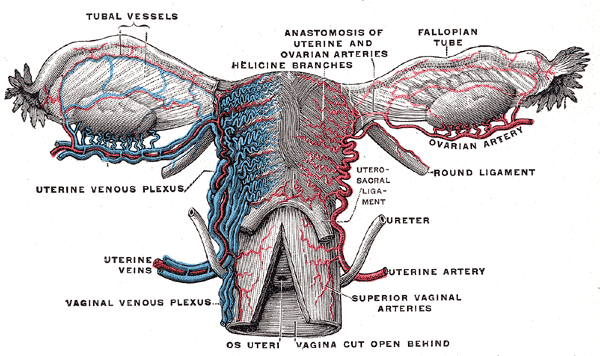


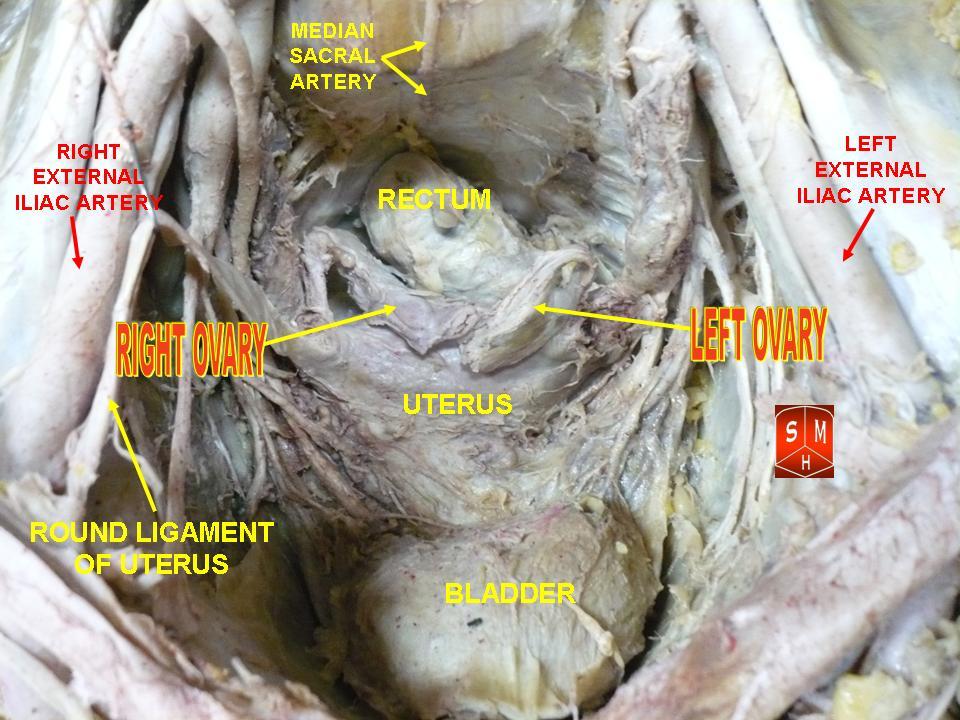
Structure and function
An ovary typically has an outer cortex that contains follicles at various stages, and an inner medulla with connective tissue, blood vessels and nerves. Each follicle houses an immature oocyte surrounded by support cells. When a follicle matures, it releases an oocyte in a process called ovulation; the remaining follicular tissue often forms a temporary structure (corpus luteum) that secretes progesterone.
- Gametogenesis: development and maturation of oocytes within follicles.
- Endocrine function: production of estrogens, progesterone and other local factors.
- Cyclic activity: hormones coordinate ovulation, preparation of the uterus, and menstrual or estrous cycles.
Development and variation across animals
In embryonic development the ovaries arise from the gonadal ridges. Most vertebrates possess two ovaries, but there are notable exceptions. For example, many birds have only one functional ovary (usually the left), an evolutionary adaptation that reduces weight for flight. Some reptiles, like certain snakes, present ovaries arranged sequentially along the body axis. Non-vertebrate animals show a wide variety of reproductive organs and strategies.
Role in reproduction and health
Ovarian hormones shape menstrual or estrous cycles, influence fertility, and affect bone, cardiovascular and metabolic health. Clinical issues associated with ovaries include functional disorders (irregular cycles), benign conditions (cysts), malignant disease (ovarian cancer), and age-related decline in function culminating in menopause. Assisted reproductive technologies often involve controlled ovarian stimulation to retrieve multiple oocytes.
Distinctions and notable facts
Ovaries are homologous to male testicles in embryonic origin and some shared functions (gamete and hormone production). The number, position and role of ovaries vary widely across taxa, reflecting different reproductive strategies. Research on ovarian biology informs fertility treatments, contraception, and understanding of endocrine disorders.
For further reading on anatomy, physiology and comparative biology consult specialized sources or introductory texts. Additional resources: definition, organ systems, female biology, animal diversity, sexual reproduction, vertebrate anatomy, avian adaptations, reptile anatomy, gonadal homology.
Questions and answers
Q: What are ovaries?
A: Ovaries are organs found in female organisms.
Q: Why are ovaries needed?
A: Ovaries are part of the reproductive system needed to reproduce sexually.
Q: Do most vertebrates have ovaries?
A: Yes, most vertebrates have ovaries.
Q: How many ovaries do animals usually have?
A: Animals usually have two ovaries.
Q: Do birds usually have one or two ovaries?
A: Birds usually have only one working ovary.
Q: How many ovaries do snakes have?
A: Snakes have one ovary in front of the other.
Q: Are ovaries similar to testicles in men?
A: Yes, the ovaries are similar to testicles in men.
Related articles
Author
AlegsaOnline.com Ovary — structure, function, and variation in animals Leandro Alegsa
URL: https://en.alegsaonline.com/art/73695