
Sexual conflict (evolutionary biology)
Sexual conflict occurs when evolutionary interests of males and females differ, producing opposing selective pressures that shape behaviour, morphology and genomes across sexually reproducing species.
Overview
Sexual conflict is an evolutionary phenomenon in which traits that increase reproductive success for one sex reduce fitness for the other. In the context of evolutionary biology, "benefit" usually refers to effects on gene transmission and lifetime reproductive success. Conflict emerges whenever male and female reproductive strategies or optimal trait values diverge, and it may operate at behavioural, physiological or genetic levels. The term is used across taxa and may apply whenever sexes have different reproductive constraints, from animals to plants and fungi.
Image gallery
8 Images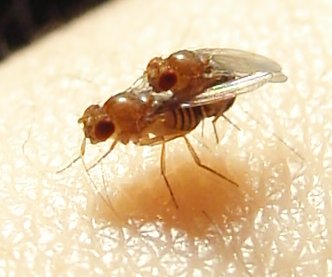


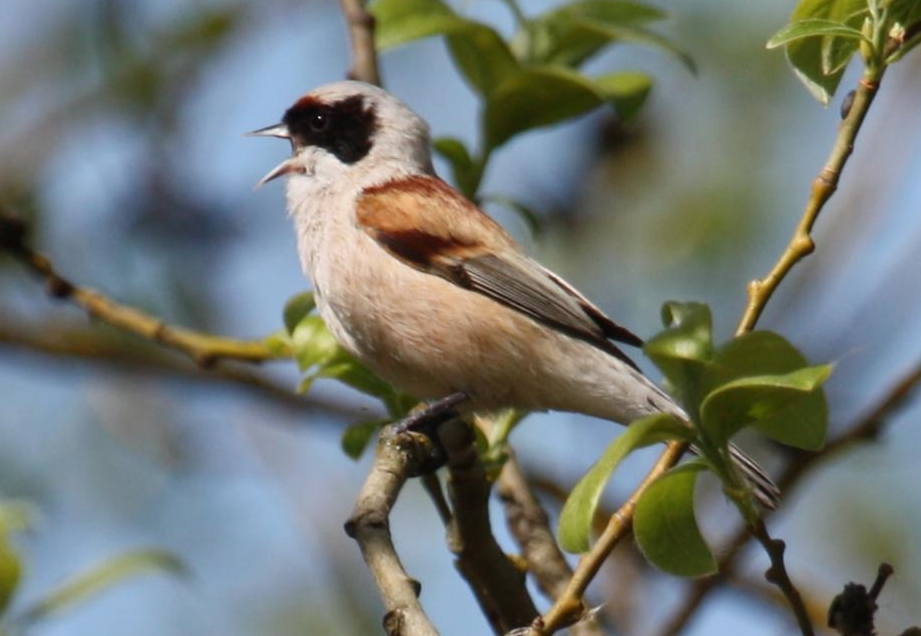

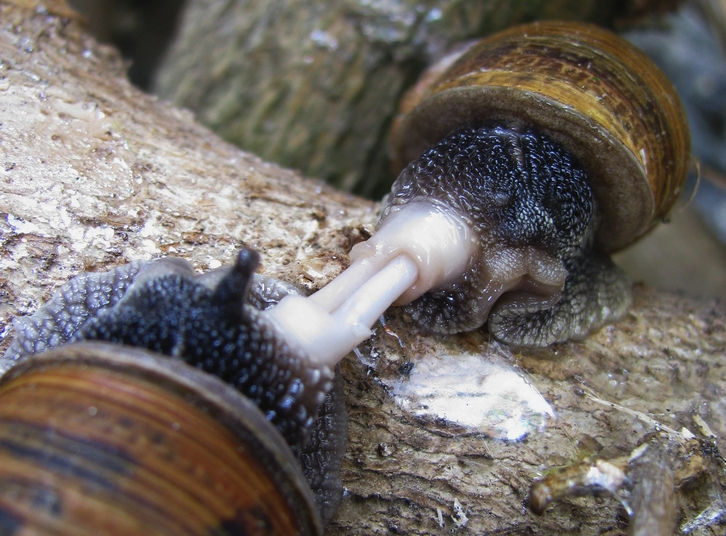

Mechanisms and types
Researchers distinguish major forms of sexual conflict. Interlocus sexual conflict arises when alleles at different loci in males and females interact antagonistically: a male trait evolving to increase mating success selects for a counter-adaptation in females. Intralocus sexual conflict occurs when the same genetic variants have opposite fitness effects in males and females, making it difficult for a trait to reach the sex-specific optimum. Both types can spark a coevolutionary or evolutionary arms race as each sex evolves responses to the other's strategies. For foundational concepts and definitions see introductory sources and discussions of reproductive fitness metrics.
Common manifestations
- Male behaviours that coerce or monopolize mates and female resistance or avoidance.
- Male seminal compounds that manipulate female physiology and female counter-adaptations to limit harm.
- Morphological traits (spines, genital structures) that improve male success but injure females.
- Genetic sexual antagonism producing sex-biased gene expression or dimorphism.
These patterns are observed in diverse groups; examples and case studies often appear in research on insects and vertebrates illustrating arms races, on mating systems where males and females pursue different strategies related to promiscuity and mate choice.
Taxa and examples
Although most empirical work has focused on animals, sexual conflict is relevant to any sexual organism. Studies document it in insects and birds, in flowering plants where pollen and maternal tissues can have opposing interests, and in fungi with competing mating types. Representative literature appears in comparative reviews of animal systems and experimental studies, as well as in broader treatments of sexual reproduction across kingdoms.
Research, consequences and distinctions
Scientists use behavioural observation, experimental manipulation, quantitative genetics and genomics to identify conflict and its resolution. Consequences include the evolution of sexual dimorphism, influences on population health when harmful male traits reduce female fecundity, and possible contributions to reproductive isolation. Sexual conflict is related to but distinct from sexual selection: selection describes mate-related preferences and competition, while conflict emphasizes opposing fitness optima between sexes. Further reading and synthesis can be found via general resources on the topic and specialist reviews.
Questions and answers
Q: What is sexual conflict?
A: Sexual conflict is a term in evolutionary biology that occurs in a species when what benefits the females is different from what benefits the males.
Q: What does the word 'benefit' mean in sexual conflict?
A: The word 'benefit' in sexual conflict means 'what benefits the reproduction of the female's (or male's) genes.
Q: How is sexual conflict expressed?
A: Sexual conflict is expressed as a difference in biological fitness.
Q: What can sexual conflict lead to?
A: Sexual conflict can lead to an evolutionary arms race between males and females.
Q: Has sexual conflict only been studied in animals?
A: Yes, sexual conflict has primarily been studied in animals, though it can in principle apply to any sexually reproducing organism, such as plants and fungi.
Q: What is the difference between what benefits the females and what benefits the males in sexual conflict?
A: The difference between what benefits the females and what benefits the males in sexual conflict is what benefits the reproduction of their genes.
Q: What is the meaning of biological fitness?
A: Biological fitness is a measure of reproductive success, which includes surviving long enough to reproduce and to produce offspring.
Related articles
Author
AlegsaOnline.com Sexual conflict (evolutionary biology) Leandro Alegsa
URL: https://en.alegsaonline.com/art/89288