
Naturism (Nudism): Philosophy, Practice and Social Context
Naturism—also called nudism—is a social movement that promotes non-sexual social nudity for body acceptance, recreation and wellbeing. Practices, etiquette and laws vary widely by country and culture.
Overview
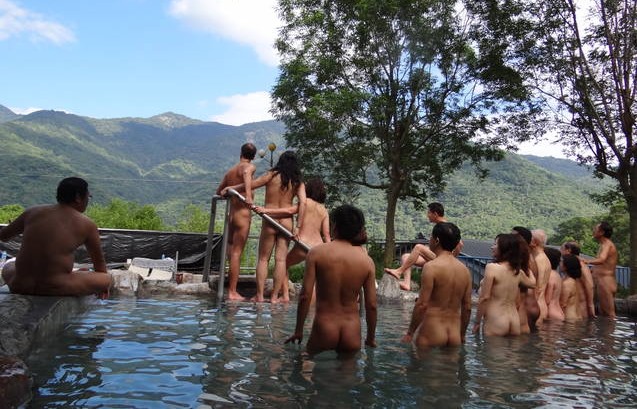
Naturism, commonly referred to as nudism, is a social and cultural movement that supports the practice of communal non-sexual nudity. Participants view nudity as a natural human state that can foster body acceptance, reduce shame, and encourage equality by removing clothing-based social distinctions. Naturist settings range from private clubs and resorts to designated public beaches and parks where clothing is optional or absent by custom or law.
Image gallery
3 Images

Core ideas and characteristics
At its core, naturism emphasizes a non-sexual, respectful approach to communal nudity. Typical values and characteristics include:
- Body acceptance: exposure to diverse body types aims to counter unrealistic beauty standards and increase self-esteem.
- Consent and respect: interactions are governed by clear rules about consent, privacy and appropriate behavior.
- Family-oriented practice: many naturist organizations promote family participation and wholesome recreation rather than sexualization.
- Health and nature: proponents often cite psychological benefits, freedom of movement, and connection to the outdoors.
History and development
The modern naturist movement grew in Europe in the late 19th and early 20th centuries. Movements such as the German Freikörperkultur (Free Body Culture or FKK) promoted outdoor life, sun exposure, and the idea that nudity could be healthy and liberating. Through the 20th century naturist clubs, resorts and federations formed in many countries; international coordination emerged through federations that encouraged organized events, codes of conduct and shared principles.
Typical settings and activities
Naturist activity occurs in a variety of controlled and informal environments:
- Dedicated naturist resorts, campgrounds and holiday villages
- Official or unofficial clothing-optional beaches and swimming areas
- Private clubs, social gatherings and sport events organized for naturists
- Some urban or event-based activities that temporarily adopt clothing-optional norms
Etiquette, safety and legal context
Etiquette is central to naturist practice and typically includes rules such as obtaining consent before taking photos, using towels when sitting on shared surfaces, avoiding overtly sexual behavior, and respecting others’ privacy. Legal acceptance varies widely: some countries and regions tolerate or regulate designated nudist areas, while others restrict public nudity. Social attitudes likewise range from broad acceptance in parts of northern Europe to more conservative approaches elsewhere.
Distinctions and contemporary issues
Important distinctions separate naturism from behaviors that are sexual, exploitative or intended to provoke. Naturist communities generally oppose exhibitionism and emphasize education, child protection and clear boundaries. Contemporary debates involve access to public spaces, photography and the balance between normalizing non-sexual nudity and addressing public concerns about decency and safety. Despite differing laws and customs, naturism continues as a global movement centered on respect, openness and the personal choice to embrace nudity outside of sexual contexts.
Related articles
Author
AlegsaOnline.com Naturism (Nudism): Philosophy, Practice and Social Context Leandro Alegsa
URL: https://en.alegsaonline.com/art/68798