
Shigella: bacterial genus that causes shigellosis and severe diarrheal disease
Shigella is a gram-negative, non-motile bacterial genus that causes shigellosis, a highly infectious diarrheal illness. Spread by the fecal–oral route; prevention emphasizes hygiene, safe water and sanitation.
Overview: The Shigella genus comprises gram-negative, non-motile bacteria that are a common cause of acute intestinal infection. They produce explosive, sometimes bloody diarrhea and can result in severe dehydration or complications in vulnerable people. Infection is often called shigellosis or bacillary dysentery.
Image gallery
2 Images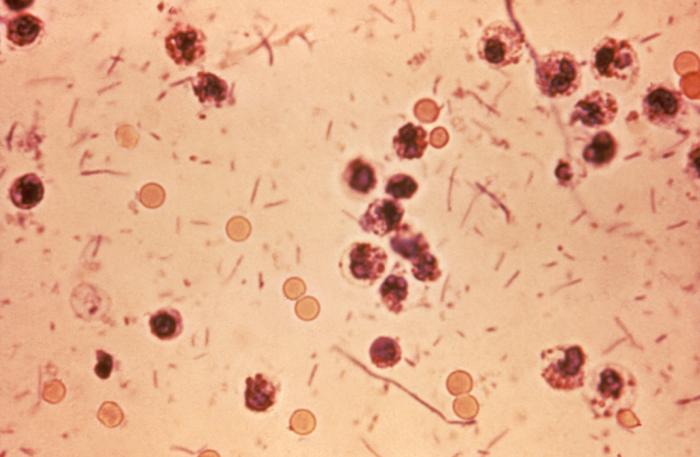

Characteristics
Shigella species are facultative anaerobic rods adapted to the human intestine. They invade and reproduce within colonic epithelial cells using specialized secretion systems and intracellular motility. Four classical species are recognized: S. dysenteriae, S. flexneri, S. boydii and S. sonnei. Some strains produce potent toxins (for example, shiga toxin in S. dysenteriae) that can worsen disease.
Transmission and related bacteria
Shigella are closely related to other enteric bacteria and sit among enteric pathogens such as E. coli and Salmonella. They require only a very small number of organisms to cause illness, meaning that ingestion of relatively few organisms can be enough for infection. Spread is primarily fecal–oral through contaminated hands, food, water, or contact in crowded settings.
Clinical features and diagnosis
Typical symptoms begin with abdominal pain, fever and frequent stools that may contain blood or mucus. Severe cases can lead to systemic complications and, rarely, conditions such as hemolytic uremic syndrome. Diagnosis is established by laboratory testing of stool—culture or molecular methods—to identify the organism and assess antibiotic susceptibility.
Treatment, prevention and public health
Management emphasizes fluid replacement and supportive care; antibiotics are reserved for severe disease or high-risk patients and should be guided by susceptibility testing because antimicrobial resistance is increasingly common. Prevention relies on hand hygiene, safe water and sanitation, food safety, and infection control in institutions. Vaccine candidates have been under development but are not yet widely deployed.
History and notable facts: Shigella was first associated with dysentery in the late 19th century and remains a leading cause of diarrheal illness worldwide, particularly among children in low-resource settings. Outbreaks commonly occur in childcare facilities, refugee camps and other crowded environments, and can also be transmitted through sexual contact in some populations.
For further introductory resources see general summaries on the Shigella genus and reviews of enteric pathogens. Additional clinical guidance and surveillance materials are available from public health sources and specialist reviews (E. coli relations, Salmonella comparisons, prevention notes on low infectious dose risks and symptom overviews here).
Related articles
Author
AlegsaOnline.com Shigella: bacterial genus that causes shigellosis and severe diarrheal disease Leandro Alegsa
URL: https://en.alegsaonline.com/art/89749