
Testicle (testis): structure, function, and clinical overview
The testicle (testis) is the male gonad responsible for sperm and testosterone production, typically two in mammals, housed in the scrotum and subject to specific anatomy, physiology, variations, and clinical issues.
The testicle (plural: testicles or testes) is the primary male reproductive gland responsible for producing sperm and male sex hormones. In most male mammals the paired testicles are external to the body core and together with the penis and associated ducts form the male reproductive apparatus. Humans and many other species normally have two testicles, each a compact organ specialized for gamete formation and endocrine secretion.
Image gallery
5 Images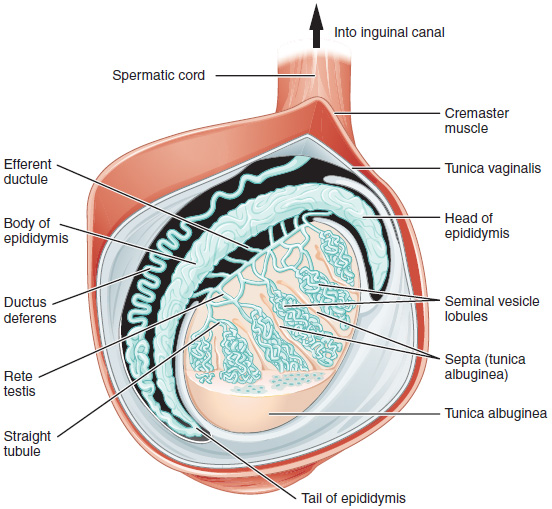


Structure and location
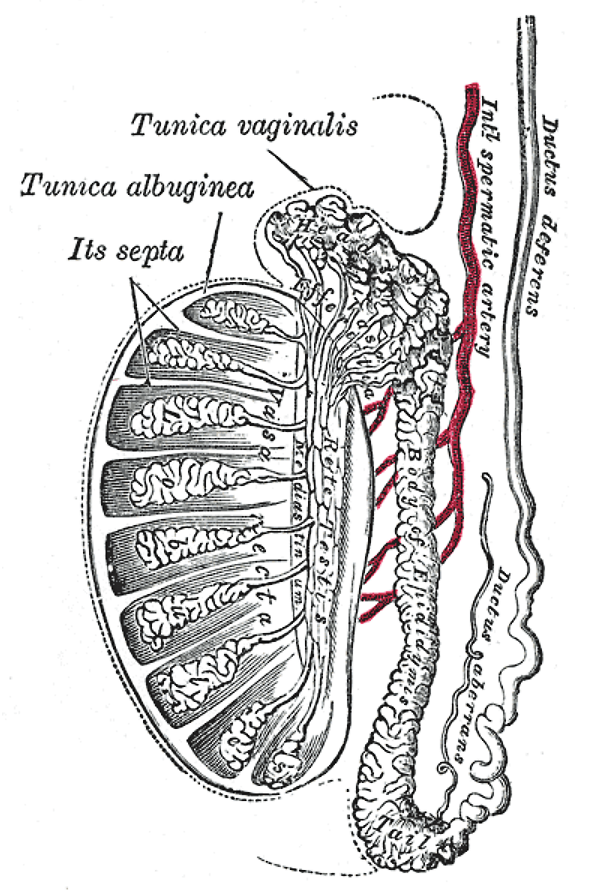
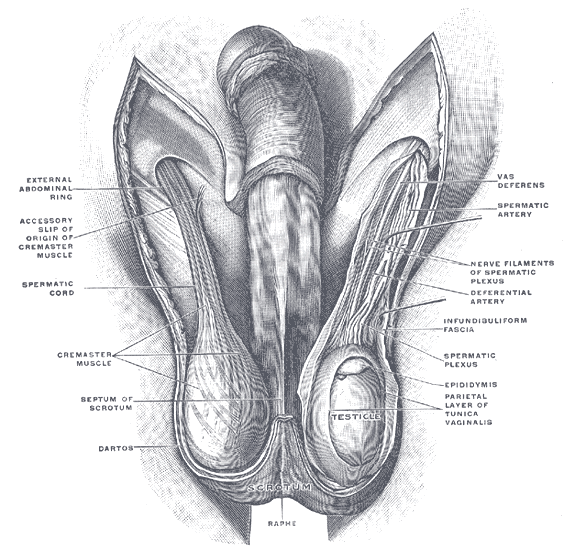
Each testis is situated in a soft sac of skin and muscle called the scrotum, which hangs below the penis in most mammals. Internally the testis contains seminiferous tubules where sperm develop, surrounded by connective tissue layers such as the tunica albuginea. Sperm mature and are stored in the epididymis before traveling through the vas deferens to be ejaculated. Muscles and reflexes — for example the cremasteric reflex — adjust position to help keep the organ at a temperature slightly below the body core, which aids sperm production.
Function and regulation
Testicles are a type of gland with both reproductive and endocrine roles. The seminiferous tubules generate sperm via spermatogenesis, a process that takes place continuously after puberty under hormonal control. Leydig cells in the testis produce testosterone, the principal male sex hormone that influences puberty, secondary sexual traits and reproductive behaviour. Hormone release and spermatogenesis are controlled by the hypothalamus-pituitary-gonadal axis through hormones such as luteinizing hormone (LH) and follicle-stimulating hormone (FSH).
Variation, development and evolutionary notes
During fetal development testicles typically form near the kidneys and descend into the scrotum before or shortly after birth in many species. Some mammals retain internal testes (for example certain large mammals and aquatic species) or have seasonal testicular size changes related to breeding cycles. The external position seen in many terrestrial mammals is believed to help maintain a cooler environment favorable for effective sperm production.
Clinical significance and common conditions
Testicular health is important for fertility and overall hormonal balance. Common medical issues include testicular torsion (a painful twisting that can cut off blood flow), cryptorchidism (undescended testis), infections, varicocele (dilated veins) and testicular cancer. Sudden severe pain, a new lump, or persistent changes in size or feel merit prompt medical evaluation. Routine awareness and professional screening help detect problems early.
Key facts and distinctions
- Testicles produce both sperm and testosterone.
- They are paired organs in most mammals, but location and number can vary across animal groups.
- Female gonads, the ova-bearing ovaries, are separate and perform analogous reproductive and endocrine roles.
- Testes are classified as reproductive sex organs and function as endocrine glands.
Questions and answers
Q: What are testicles?
A: Testicles are parts found on the bodies of male creatures that are considered reproductive organs or "sex organs".
Q: How many testicles do male mammals have?
A: Male mammals including humans have two testicles.
Q: Where are testicles located?
A: Testicles, along with the penis, are located in a sac of skin below the penis called the scrotum.
Q: Do females have testicles?
A: No, females do not have testicles. They have ovaries, which are considered their reproductive organs.
Q: What type of organ are testicles considered?
A: Testicles are considered glands, which produce hormones that keep the body working.
Q: What type of substance do testicles produce?
A: Testicles produce two types of substances: hormones that help keep the body working and sperm, which is necessary for reproduction.
Q: Why are testicles outside of the body?
A: Testicles are outside the body's main part because they work better when they are cooler than the internal parts of the body. In cold weather, the testicles pull up nearer to the body to stay warm.
Tags
Related articles
Author
AlegsaOnline.com Testicle (testis): structure, function, and clinical overview Leandro Alegsa
URL: https://en.alegsaonline.com/art/97211
Sources
- books.google.com : Human Reproductive Biology