
Scrotum: anatomy, function, and clinical significance
The scrotum is an external pouch of skin and muscle that contains the testicles in many male mammals. It protects and helps regulate temperature for sperm production and has distinctive anatomy and clinical concerns.
Overview
The scrotum is an external skin sac that houses the testicles in most mammals with external male genitalia. In human and many other species it lies between the penis and the anus. The scrotum is typically covered with pubic hair after puberty and varies in appearance with age, genetics and individual anatomy.
Image gallery
10 Images


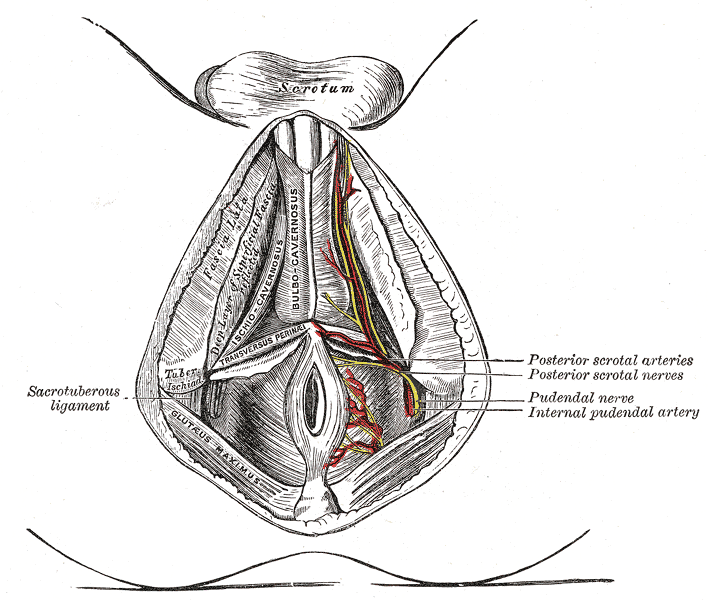


Structure and components
Superficially the scrotum consists of skin and a subcutaneous layer that contains the dartos muscle. Deeper layers include the external spermatic fascia and the cremaster muscle, which elevate the testes when contracted. Collectively these tissues protect and support the testes and associated structures.
Main functions
Temperature regulation is the principal physiological role: the scrotum positions the testes to keep them slightly cooler than core body temperature to support spermatogenesis. Contraction of the muscle layers alters scrotal tension and proximity to the body. The scrotum also offers mechanical protection while allowing mobility.
Development, variation and evolution
During embryonic development the scrotum forms from labioscrotal folds. Not all mammals have an external scrotum; some species, including many cetaceans and elephants, have internal testes. Evolutionary explanations emphasize thermoregulation and reproductive efficiency, though exceptions exist.
Clinical considerations and common conditions
The scrotum can be affected by several medical issues that may require assessment: testicular torsion, undescended testes, hydrocele, varicocele and infections. Sudden pain, swelling or lumps warrant prompt medical attention. During sexual arousal the scrotum typically becomes tighter and closer to the body as part of normal physiological response (arousal).
Practical notes and further reading
- Care: hygiene, self-examination and protective measures during sports are commonly advised.
- Variation: the scrotal size, hair distribution and firmness vary widely between individuals and species.
- Related anatomy: the epididymis and spermatic cord lie within and adjacent to the scrotum; see more on the skin and fascia layers for surgical context.
- For anatomy diagrams and clinical guidance see resources on genital anatomy and male reproductive health (testes, penis, pubic hair).
For comparative anatomy and species differences consult zoological and veterinary sources that cover mammalian reproductive adaptations (mammals, muscle function). For medical concerns contact a healthcare professional or urologist (clinical guidance, developmental issues, sexual health).
Questions and answers
Q: What is the scrotum and where is it located?
A: The scrotum is the bag-like structure that holds the testicles in male mammals. It is located between the penis and anus.
Q: What is the scrotum made up of?
A: The scrotum is made up of skin and muscle.
Q: What are the common names for the testicles?
A: The common names for the testicles are balls.
Q: Does the scrotum have any hair on it?
A: Yes, the scrotum is often covered in pubic hair.
Q: How does the scrotum respond when the male is aroused?
A: The scrotum becomes tight when the male is aroused.
Q: Why is the scrotum important?
A: The scrotum is important because it provides the necessary environment for the testicles to produce and store sperm.
Q: Do all male mammals have a scrotum?
A: Yes, all male mammals have a scrotum.
Related articles
Author
AlegsaOnline.com Scrotum: anatomy, function, and clinical significance Leandro Alegsa
URL: https://en.alegsaonline.com/art/88225