
Sexual reproduction
Biological process in which offspring arise from the fusion of gametes, combining genetic material from two parents; common across animals, plants, fungi and many protists and important for genetic diversity.
Overview
Sexual reproduction is a biological process in which offspring are produced by combining genetic material from two parental cells called gametes. It occurs widely across life: in many animals, numerous plants, and in some protists and fungi. Organisms that engage in sexual reproduction commonly display separate reproductive roles or sexes, often described as male and female, though other arrangements also exist.
Image gallery
9 Images



How it works
The process depends on the formation and union of gametes: typically small, mobile sperms and larger, nutrient-rich eggs. Key biological steps include:
- Meiosis, a special type of cell division that halves chromosome number and creates genetic recombination;
- Gametogenesis, the differentiation of meiotic products into functional sperm or egg cells;
- Fertilization, the fusion of two gametes to form a zygote that develops into a new individual.
Patterns and diversity
Sexual reproduction shows great variety. Fertilization can be external (common in many fish and amphibians) or internal (typical in birds and mammals). Some species are dioecious, with separate sexes, while others are hermaphroditic, carrying both male and female reproductive systems. Plants may use flowers, cones or gametophyte stages to produce gametes.
Advantages and consequences
By reshuffling genes each generation, sexual reproduction increases genetic variation in a population. This variation can enhance adaptation to changing environments and reduce the accumulation of harmful mutations. The process also has costs: it often requires more time, energy and the finding of a mate, and can reduce the number of offspring produced compared with asexual reproduction.
Examples across life
- Animals: many species produce distinct sperm and eggs and show sexual behaviours and selection.
- Plants: flowering plants combine pollen and ovules; some algae and nonvascular plants have alternating life stages.
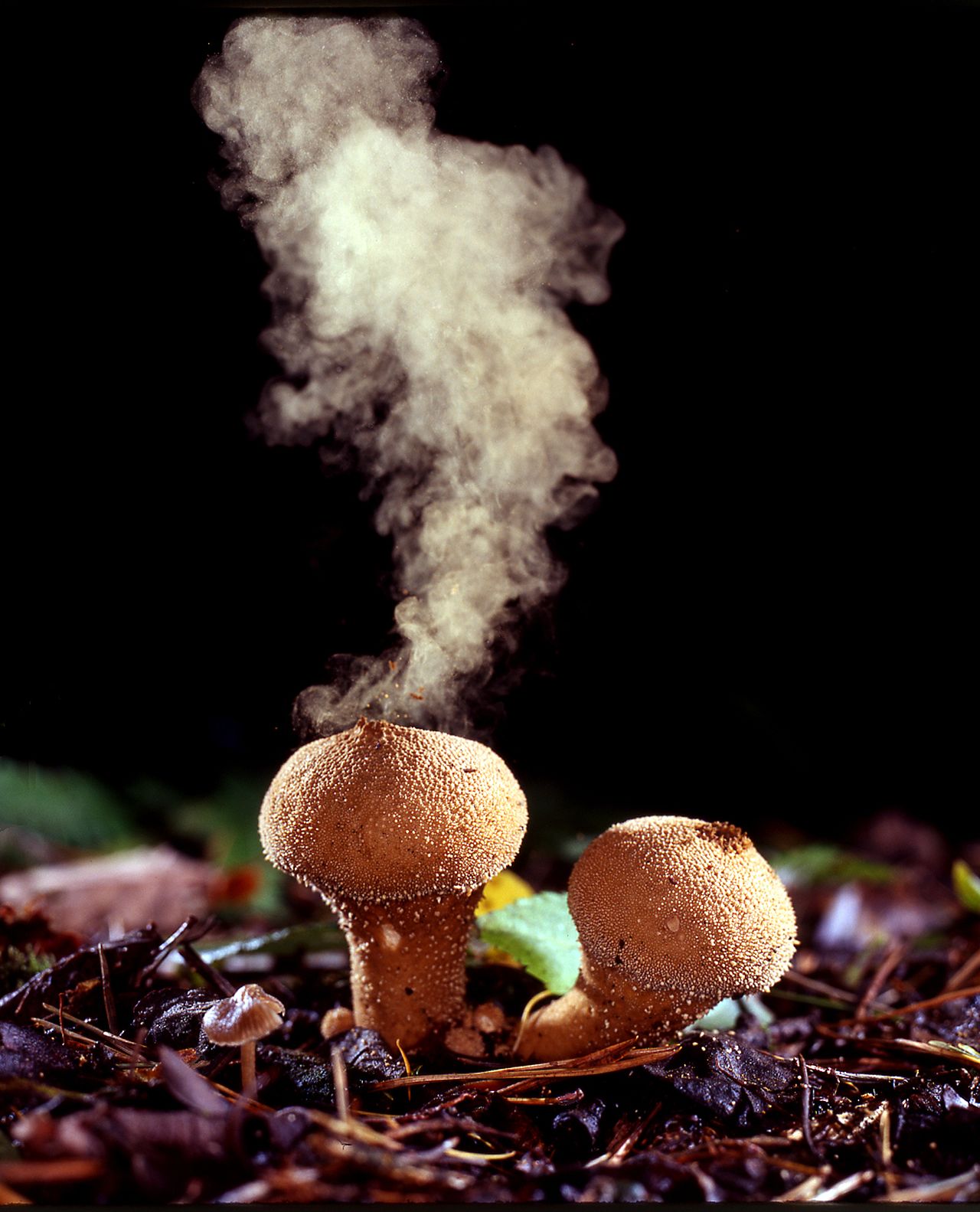
- Fungi and protists: several groups exchange genetic material by gamete fusion or analogous mechanisms.
Notable facts and distinctions
Biological sex and the mechanics of sexual reproduction vary widely: some organisms change sex during life, some reproduce by self-fertilization, and sexual systems can involve more than two mating types in certain fungi and protists. These variations influence population genetics, ecology and evolution and are active topics in biological research and conservation.
For further reading, see resources on general animal and plant reproduction: animals, plants, and overviews of protists and fungi reproduction: protists, organisms.
Questions and answers
Q: What is sexual reproduction?
A: Sexual reproduction refers to the process that most animals and plants use to reproduce, with some fungi and protists also reproducing in this way.
Q: What organisms reproduce sexually?
A: Organisms that reproduce sexually have male and female sexes.
Q: How is offspring produced in sexual reproduction?
A: Offspring are produced when the sperm from a male fertilizes an egg from a female.
Q: Are there different steps involved in sexual reproduction?
A: Yes, various steps are involved in the process of sexual reproduction.
Q: Are there any organisms that don't use sexual reproduction?
A: Some organisms reproduce asexually, meaning they don't require two different sexes to reproduce.
Q: How is sexual reproduction different from asexual reproduction?
A: Sexual reproduction involves combining genetic material from two individuals, while asexual reproduction does not require genetic material from another individual.
Q: Which organisms commonly reproduce through sexual reproduction?
A: Sexual reproduction is common among animals and plants, but some fungi and protists also reproduce this way.
Related articles
Author
AlegsaOnline.com Sexual reproduction Leandro Alegsa
URL: https://en.alegsaonline.com/art/89295