
Vagina (female reproductive canal)
The vagina is a muscular, flexible canal in the female reproductive system that carries menstrual fluid, receives the penis during intercourse, and serves as the birth passage. It has a protective microbiome and variable anatomy.
The vagina is an internal muscular canal that is a central part of the female reproductive system. It connects the external genital area to the cervix and uterus, and lies behind the bladder and in front of the rectum. The vaginal opening is separate from the urethra (the urinary outlet) and the perineum lies between the vaginal opening and the anus; all three regions are closely related in location and function (perineum).
Image gallery
10 Images


Structure and characteristics
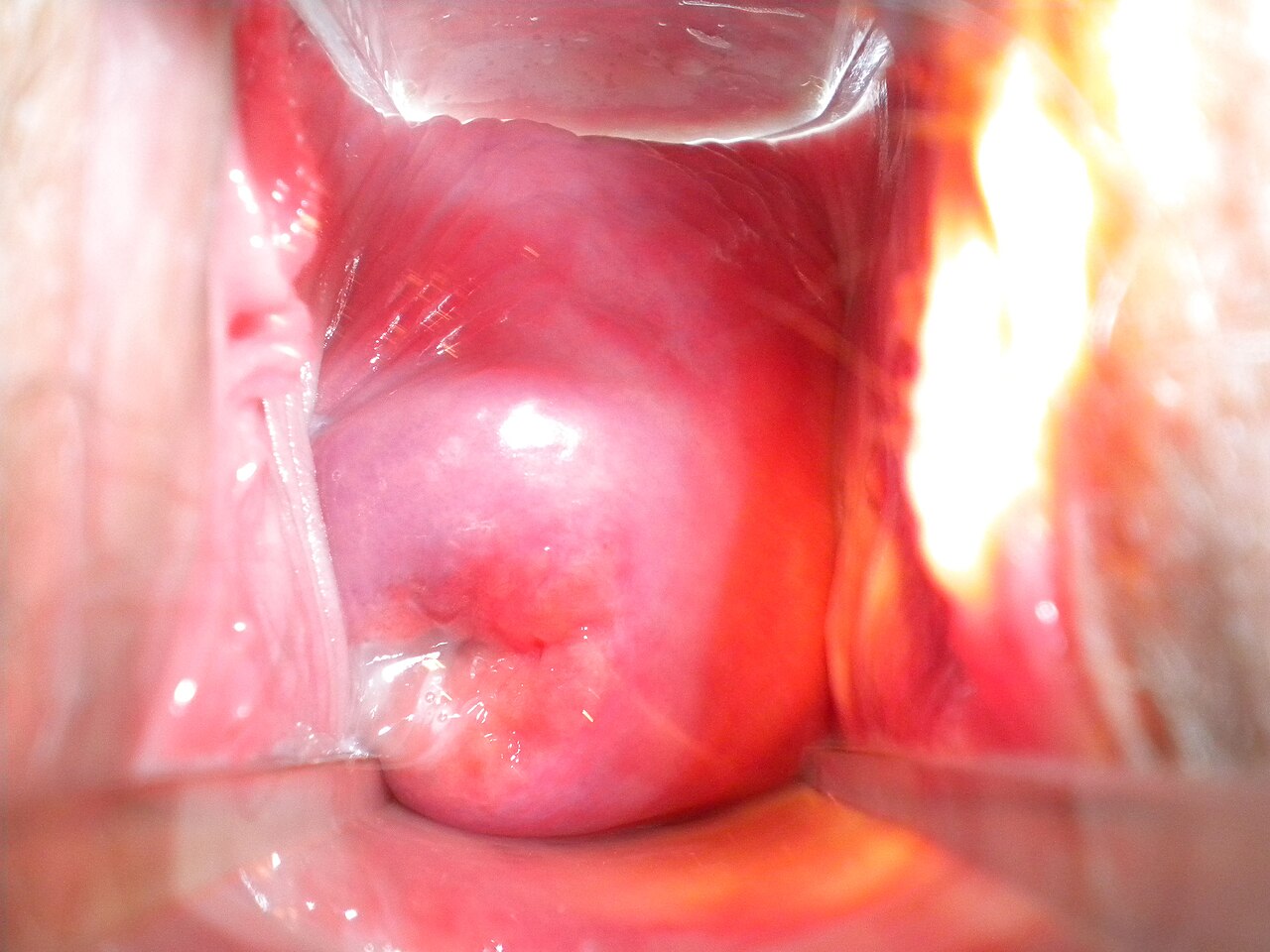
Anatomically the vagina is a flexible, muscular tube lined by a mucous membrane. Its walls are folded when not distended and can expand during sexual arousal and childbirth. Color and size vary between individuals; the mucosa is commonly pink to reddish, and its inner surface is lined with cells that produce secretions and respond to hormonal changes.
- Length and shape: typically several centimeters long and able to change shape and length with arousal and childbirth.
- Surface: moist mucosa with rugae (folds) that allow stretching.
- Mucosal environment: normally acidic and populated by beneficial bacteria, which help protect against infection.
Functions
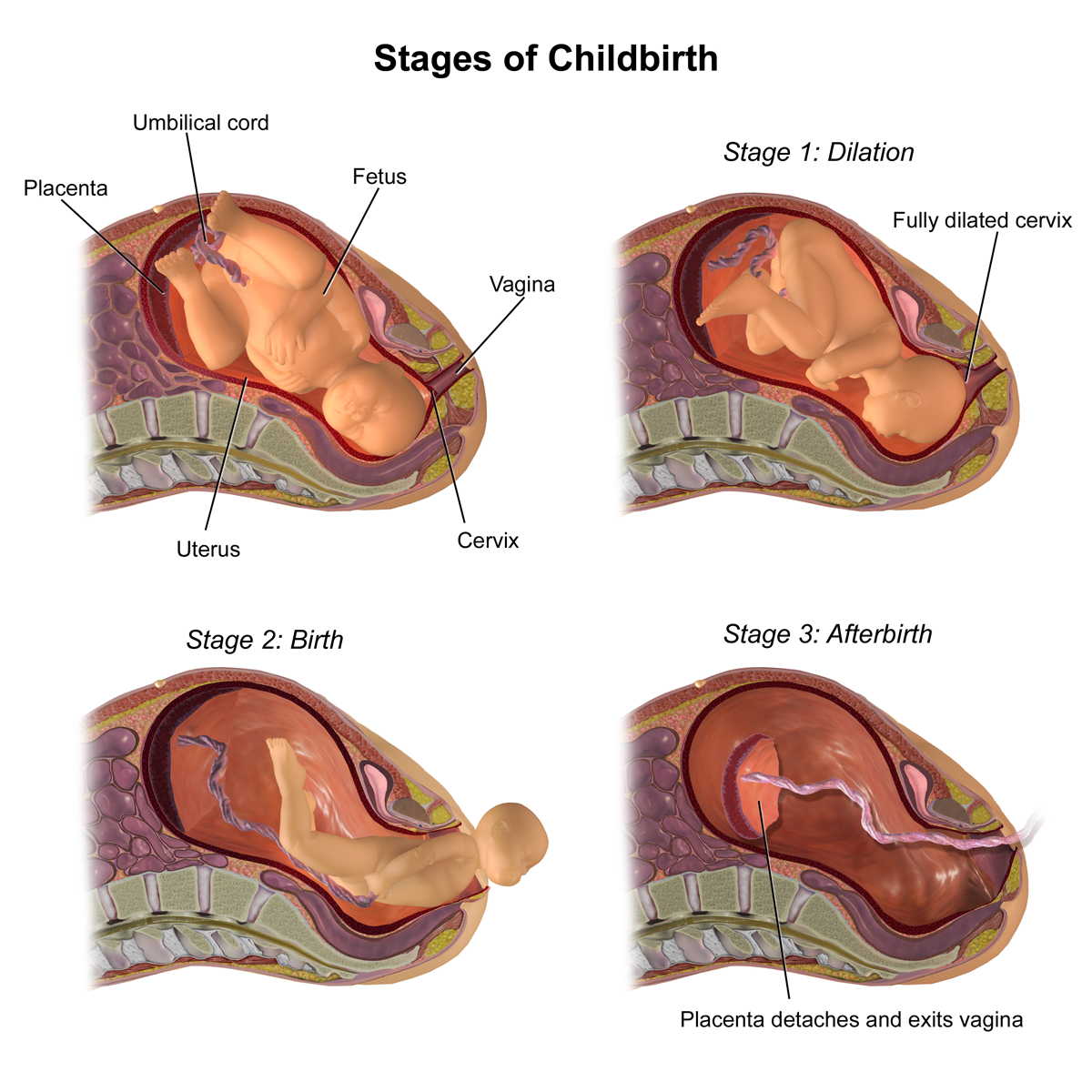
The vagina serves multiple roles in human reproduction and reproductive health. It provides a channel for menstrual flow to exit the body, accommodates a penis during sexual intercourse, and forms the birth canal through which a baby moves from the uterus during childbirth. Vaginal secretions and its resident microbes support lubrication, defense, and a relatively stable ecosystem that resists overgrowth of pathogens.
Health, development and distinctions
The vagina undergoes changes across the lifespan: it develops during puberty under hormonal influence, changes during pregnancy and childbirth, and may alter with menopause. Common conditions include vaginitis (inflammation), yeast infections and bacterial imbalance; routine care and medical evaluation help address symptoms. It is important to distinguish between the vagina and the external genitalia (the vulva), as well as the hymen, a variable membrane at the vaginal entrance that is not a reliable indicator of sexual activity.
Additional notes
During sexual activity a penis may be inserted into the vagina (penis), and during clinical examinations healthcare providers inspect the vagina and cervix for signs of infection, injury or other conditions. Awareness of normal variation in appearance and function helps people and clinicians recognize when evaluation is needed.
For more general information and guidance on anatomy and care, see resources linked here and consult trusted medical sources for personal questions and symptoms.
Questions and answers
Q: What is the vagina?
A: The vagina is a part of the female body located between the perineum and the urethra.
Q: What does menstrual fluid leave through the vagina?
A: Menstrual fluid (red, blood-filled liquid lost during menstruation) leaves the body through the vagina.
Q: What happens during sexual intercourse?
A: During sexual intercourse, a penis is put into the vagina.
Q: What happens during birth?
A: During birth, the vagina opens to let the baby come out from the uterus.
Q: What is the color of the vagina?
A: The vagina is reddish pink in color, though colors may vary.
Q: How does the size of the vaginal opening compare to the urethral opening?
A: The vaginal opening is much larger than the urethral opening.
Q: What is the relationship between the vagina and the perineum?
A: The vagina is located between the perineum and the urethra.
Tags
Related articles
Author
AlegsaOnline.com Vagina (female reproductive canal) Leandro Alegsa
URL: https://en.alegsaonline.com/art/103864
Sources
- womenshealth.gov : womenshealth.gov/glossary
- engenderhealth.org : "The sexual response cycle"
- precedings.nature.com : precedings.nature.com/documents/5150/version/1
- kidshealth.org : "All about Menstruation"
- thesite.org : "Does size matter"
- books.google.com : Psychology Applied to Modern Life: Adjustment in the 21st Century
- books.google.com : Sex and Society, Volume 2
- doi.org : 10.1007/BF01541824
- doi.org : 10.1046/j.1365-2605.2002.00371.x
- pubmed.ncbi.nlm.nih.gov : 12406363
- pubmed.ncbi.nlm.nih.gov : 12553564
- doi.org : 10.1067/mob.2001.115995
- doi.org : 10.1097/01.ju.0000173639.38898.cd
- pubmed.ncbi.nlm.nih.gov : 16145367
- doi.org : 10.1111/j.1743-6109.2011.02623.x