
Vulva (external female genitalia)
The vulva comprises the external genital structures of female-bodied mammals, including humans. This article explains its anatomy, development, functions, common variations, and differences from the vagina.
Overview
The vulva is the collective name for the external genital structures found in many mammals, including human women and girls. It forms the visible interface between the outside of the body and the internal reproductive and urinary systems. Although often discussed in everyday language as synonymous with the vagina, the vulva refers specifically to the outer parts rather than the internal canal.
Image gallery
10 Images

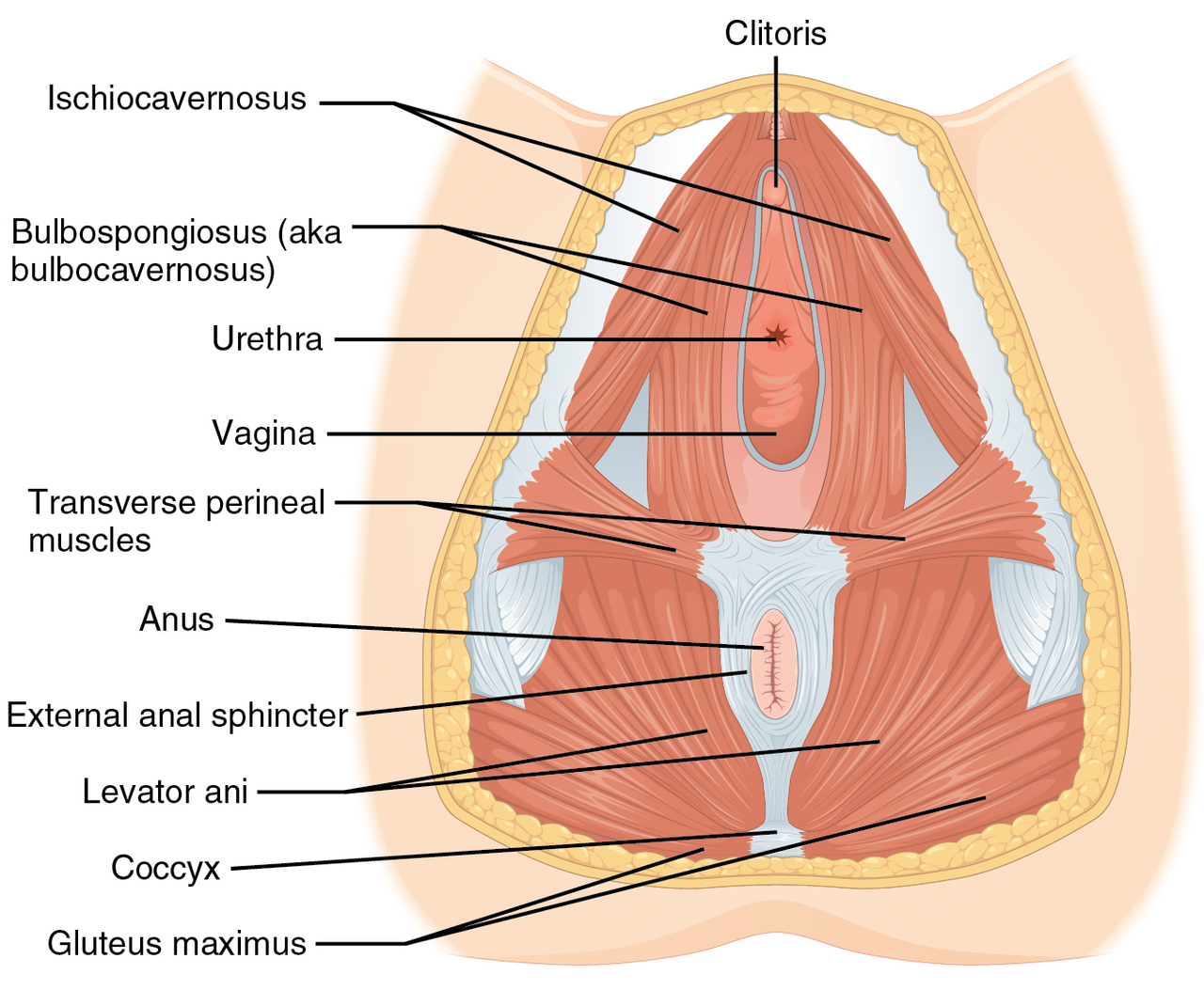


Anatomy and visible parts
The main components of the vulva are a set of skin and mucosal structures arranged around two nearby openings. Commonly identified parts include:
- Mons pubis: a padded area of fat and skin above the other structures that typically becomes covered with pubic hair after puberty.
- Labia majora: larger, outer folds of skin and fatty tissue that help protect the inner structures.
- Labia minora: thinner, inner folds of mucosal tissue that lie within the labia majora and surround the clitoral hood and openings.
- Clitoris: a sensitive erectile organ with a visible glans and internal bodies; it is an important center of sexual sensation.
- Urinary opening (urethral meatus): the external outlet for urine, located below the clitoris and above the vaginal opening.
- Vaginal opening: the external entrance to the vagina, which leads to internal reproductive organs.
Development, variation, and appearance
The appearance of the vulva changes across the life span. Hormonal shifts at puberty enlarge and darken tissues and stimulate pubic hair growth over the mons pubis. During pregnancy and with aging the tissues may change again in color, elasticity, and size. There is wide natural variation in the size, symmetry, color, and proportion of the labia majora and labia minora; these differences are generally normal and do not indicate pathology.
Functions and health considerations
The vulva serves several functions: protecting internal genitalia, facilitating sexual sensation (particularly via the clitoris), and providing passage for urine and for childbirth through the vaginal opening. Common clinical concerns include infections (such as fungal or bacterial irritations), dermatitis, congenital variations, and trauma. Routine care emphasizes gentle hygiene, attention to symptoms like pain or unusual discharge, and seeking medical evaluation when problems occur.
Distinctions, cultural notes, and medical practice
It is important to distinguish the vulva from the vagina: the vulva is external, whereas the vagina is an internal muscular canal. Cultural attitudes toward the vulva vary widely and have influenced practices such as pubic hair removal, genital modification, and aesthetic surgery. In medical practice, respectful language, accurate anatomic terms, and awareness of normal variation help clinicians provide appropriate care and counseling.
Further reading and resources
Reliable sources can provide detailed diagrams and guidance on vulvar health. For general anatomy and clinical information see resources identified by health organizations and educational sites that cover the external genitalia and reproductive anatomy in accessible language. If you need personalized advice, consult a qualified clinician.
Related articles
Author
AlegsaOnline.com Vulva (external female genitalia) Leandro Alegsa
URL: https://en.alegsaonline.com/art/106030
Sources
- commons.wikimedia.org : Vulvas
- cdc.gov : "CDC - Vaginal and Vulvar Cancers"
- training.seer.cancer.gov : "External Genitalia | SEER Training"
- girlshealth.gov : "How the female reproductive system works | girlshealth.gov"