
Scalping: removal of the scalp as trophy, bounty practice, and historical phenomenon
Scalping is the removal of the scalp, historically practiced as trophy-taking, proof of victory, or for paid bounties in different regions. This article outlines definitions, history, contexts, and notable distinctions.
Scalping refers to the removal of the scalp—the skin and hair covering the human head—as a cultural, military or economic act. In many historical settings the detached scalp was kept as a trophy or used as material evidence of success in battle. Scalping could also serve as a tangible proof of a kill or capture that enabled payment or status.
Image gallery
10 Images

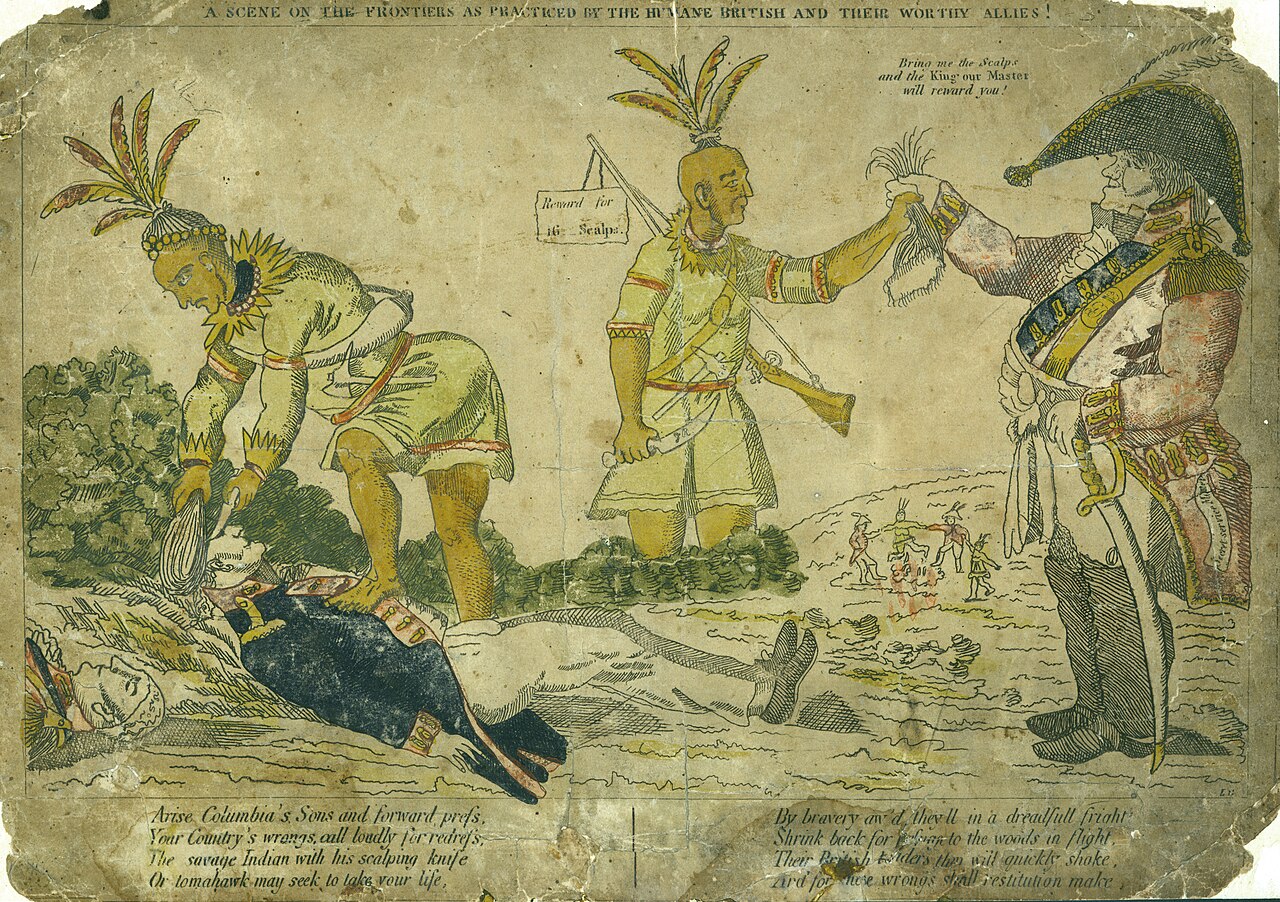


Definition and motivations
The practice is distinct from other forms of mutilation because it targets the scalp specifically and often has symbolic meaning beyond the immediate violence. Motivations historically included recognition of martial prowess, retributive or ritual motives, and economic incentives such as a reward paid per scalp. Scalps might be displayed, traded, or surrendered to authorities to claim payment or social prestige.
Geographic distribution and historical outline
Scalping appears in records from several parts of the world and across different eras. In North America, accounts from the era of European contact and the subsequent period of colonial expansion describe scalping in the context of frontier warfare and raiding during the colonisation of North America. Historical documentation indicates that certain Indigenous groups practiced scalping, while other groups did not, and that European colonists and colonial governments sometimes engaged in or encouraged the practice. At times during the 18th and 19th centuries, authorities in what became the United States and in Mexican territories issued bounties that rewarded scalps as proof of enemy deaths.
Elsewhere, scalp-taking or analogous acts were recorded in different societies and should be understood in their local cultural and historical contexts rather than as a single uniform behavior. For example, in Australia the word "scalp" is also associated with bounties paid for animal pelts rather than human trophies: the removal of a dingo hide was incentivised to protect stock.
Case study: dingo scalping in Australia
From the early 20th century some Australian governments adopted bounty schemes aimed at reducing predation on domestic animals. In 1912 the government of South Australia introduced payments for the scalps or pelts of dingos, with similar programs later used in parts of Western Australia and the Northern Territory. These measures were intended to protect livestock and agricultural livelihoods but also produced ecological and social consequences that have been the subject of later review.
Legal, ethical and scholarly perspectives
Modern legal systems generally treat scalping of humans as criminal homicide or mutilation. Historians and anthropologists caution that contemporary written records—especially those produced by colonists or colonial administrations—may reflect bias, exaggeration, or selective reporting. Academic study attempts to situate scalping within broader patterns of violence, frontier conflict, ritual practice, and economic policy rather than treating it as an isolated curiosity.
Notable distinctions and related uses
- Motives: ceremonial or symbolic trophy-taking versus pragmatic bounty collection.
- Actors: practiced by individuals and groups in many different societies at various times; not universal within any large cultural grouping.
- Legal status: almost always unlawful today when applied to humans; historical bounty schemes were state policy in some frontier settings.
- Figurative uses: the word "scalp" has entered other domains (for example, as a metaphor in commerce and a term in stock trading) and should be distinguished from the physical act described here.
Understanding scalping requires careful attention to context: who performed it, why, and how contemporaries interpreted the act. Sources range from archaeological remains and forensic reports to written accounts and government records; each offers partial evidence that scholars must weigh critically. For further reading on specific episodes and scholarly interpretations, consult specialized works in history, anthropology and legal studies.
Related articles
Author
AlegsaOnline.com Scalping: removal of the scalp as trophy, bounty practice, and historical phenomenon Leandro Alegsa
URL: https://en.alegsaonline.com/art/87758