
Western Australia
Western Australia (WA) is the largest Australian state by area, with a diverse climate, rich Indigenous heritage, major mining and agricultural industries, and Perth as its capital and economic centre.
Overview
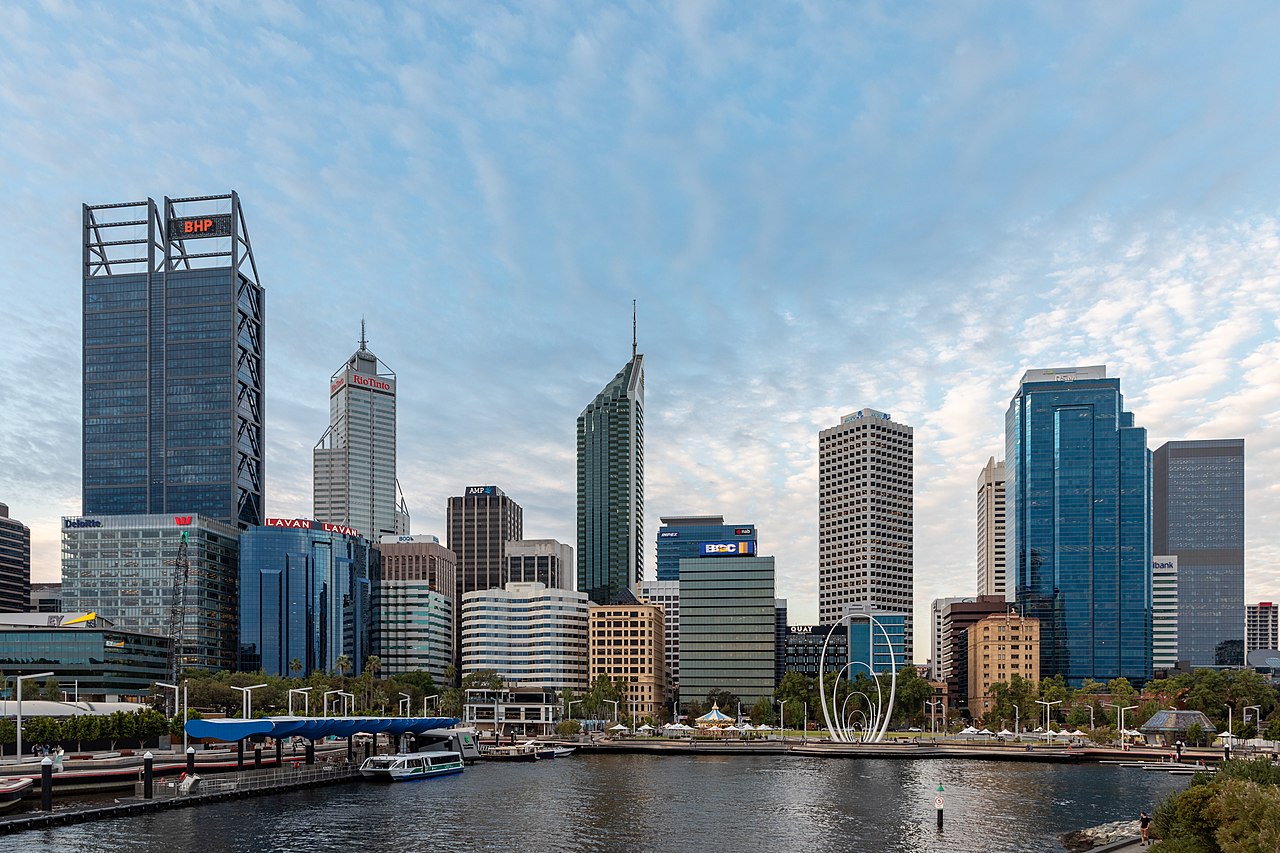
Western Australia (often abbreviated WA) is one of the eight states and territories of Australia. It covers roughly one-third of the Australian mainland and is the country’s largest state by land area. Much of its population lives in the southwest; the state has around two million people, concentrated in and around its capital, Perth. Demographic and economic patterns reflect both the state’s size and its varied climates, from temperate coastal areas to vast arid interior lands.
Image gallery
10 Images




Geography and climate
WA stretches from tropical shores in the north to cool temperate zones in the southwest and arid desert across the interior. It has an extensive Indian Ocean coastline and several distinct geographic regions. Major named regions include:
- Kimberley and Pilbara in the north, noted for rugged ranges and coastal wetlands;
- The Wheatbelt and Goldfields in the south and east, where agriculture and mining are important;
- The southwest, a Mediterranean-climate area containing Perth and biodiverse native shrublands.
History and people
The land that is now Western Australia has been home to many Indigenous peoples for tens of thousands of years; among the best-known groups in the southwest are the Noongar. European settlement began in the early nineteenth century with the Swan River Colony. The territory later became a state of the Commonwealth of Australia. Indigenous cultures, colonial history and migration have together shaped the state’s society and place names.
Economy and land use
Economic activity in WA is varied but dominated by resource and primary industries. Key sectors include:
- Mining and energy: large-scale extraction of iron ore, gold, natural gas and other minerals;
- Agriculture: wheat, sheep, and livestock in the southern and central districts;
- Services and technology concentrated in Perth and regional centres, and a significant tourism sector drawing visitors to coastal and outback attractions.
Environment and conservation
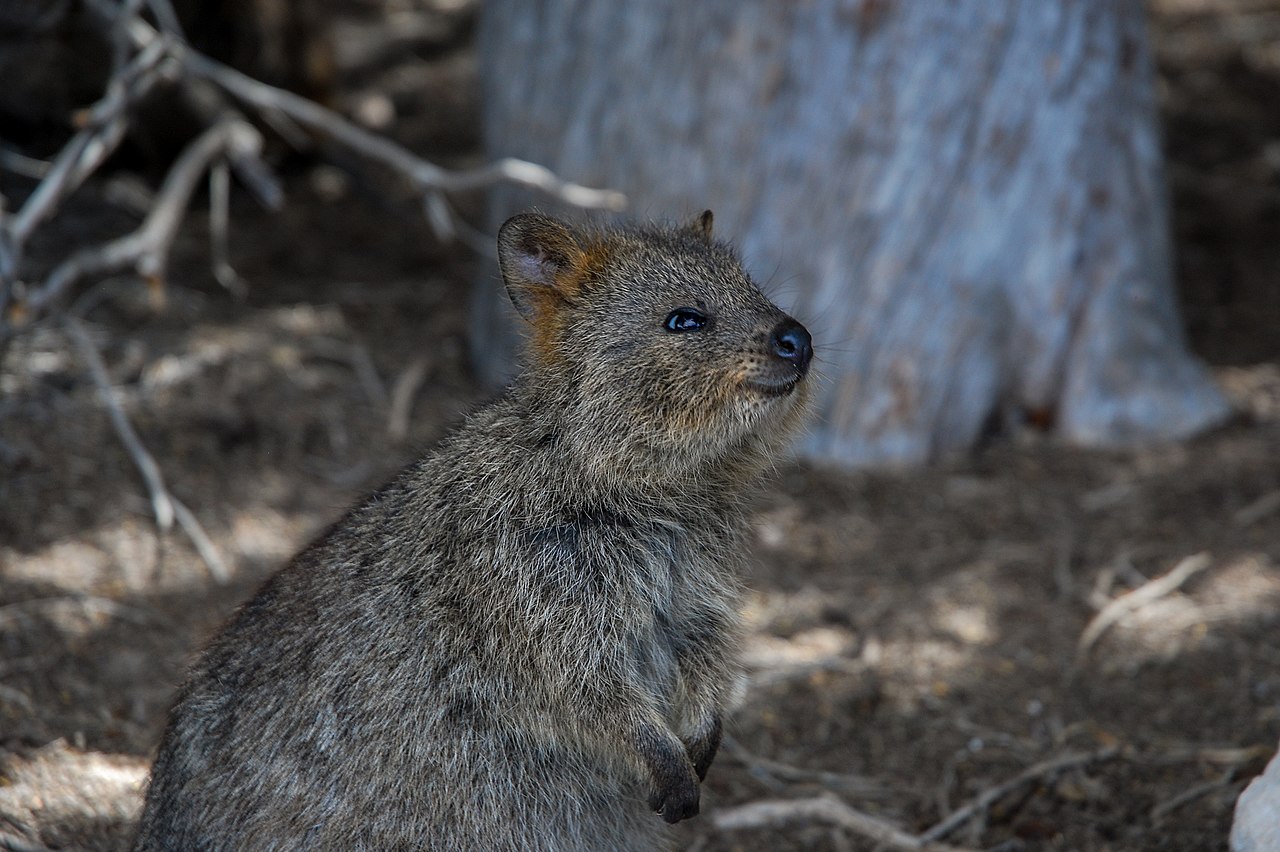
The state hosts unique ecosystems and many protected areas. The southwest is recognised for its rich and distinctive flora, while the northern Kimberley and coastal marine regions support important wildlife and reef environments. National parks and conservation reserves such as Karijini and others protect dramatic gorges, river systems and endemic species, and conservation efforts balance development pressures with biodiversity values.
Government, culture and notable facts
Western Australia has its own state government and parliament based in Perth, which serves as the cultural and economic hub. The state’s remoteness from other Australian capitals, extensive coastline, and large mining exports give it a distinctive role in national affairs. For more general context on population and administration see population and statistics, and for information about Perth consult local resources.
Questions and answers
Q: How many states and territories does Australia have?
A: Australia has eight states and territories.
Q: Which state is the largest in Australia in terms of land area?
A: Western Australia is the largest state in Australia in terms of land area.
Q: What is the population of Western Australia?
A: The population of Western Australia is about two million people.
Q: What is the capital city of Western Australia?
A: The capital city of Western Australia is Perth.
Q: What percentage of the mainland does Western Australia cover?
A: Western Australia covers about 33% of the land area of the mainland.
Q: Can Western Australia be considered a territory?
A: No, Western Australia is not a territory, it is a state.
Q: How does the population of Western Australia compare to other states?
A: It is not specified in the given text how the population of Western Australia compares to other states.
Related articles
Author
AlegsaOnline.com Western Australia Leandro Alegsa
URL: https://en.alegsaonline.com/art/107492
Sources
- commons.wikimedia.org : Western Australia