
Battle: definition, types, history, and significance
A battle is a direct armed contest between organized groups, usually part of a larger war. This article explains what a battle is, its forms, historical examples, causes and consequences.
A battle is a direct armed contest between organized forces in which each side seeks to defeat the other. Battles most often occur as components of larger conflicts such as wars, but individual fights can also be isolated incidents. The place where fighting happens is called a battlefield. Battles vary widely in scale and duration, from brief clashes to protracted, day-long actions that decide campaigns.
Image gallery
9 Images


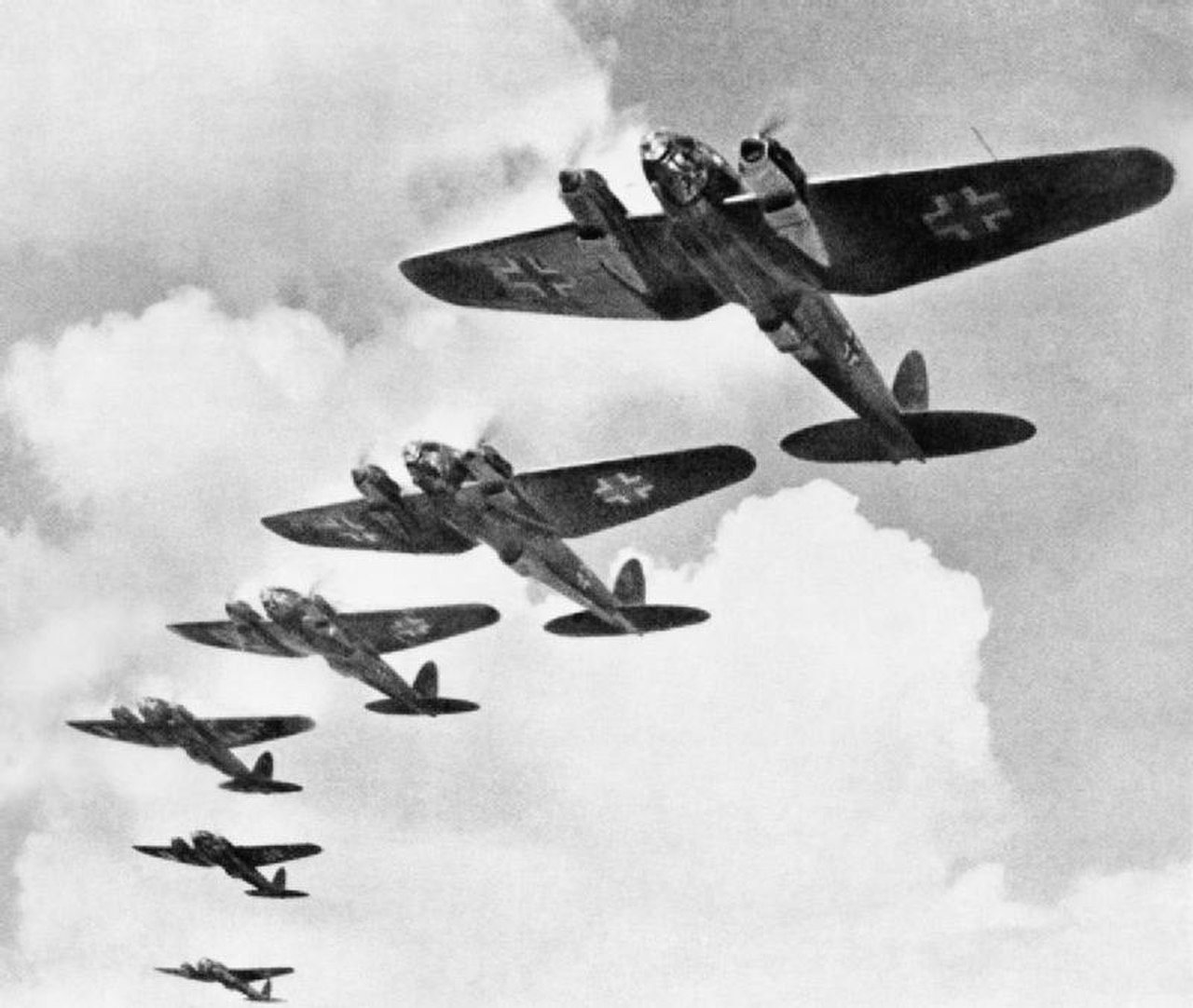
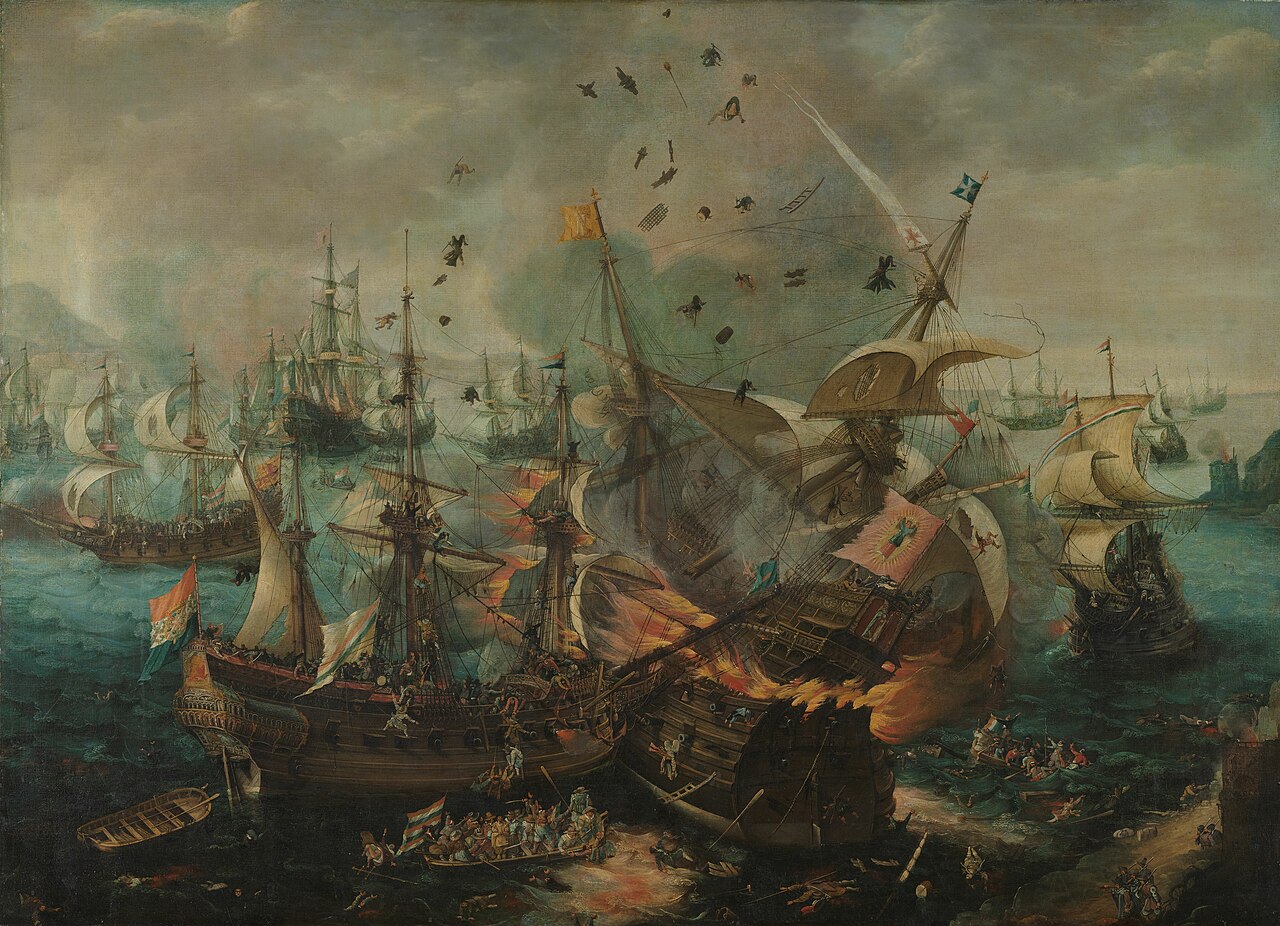

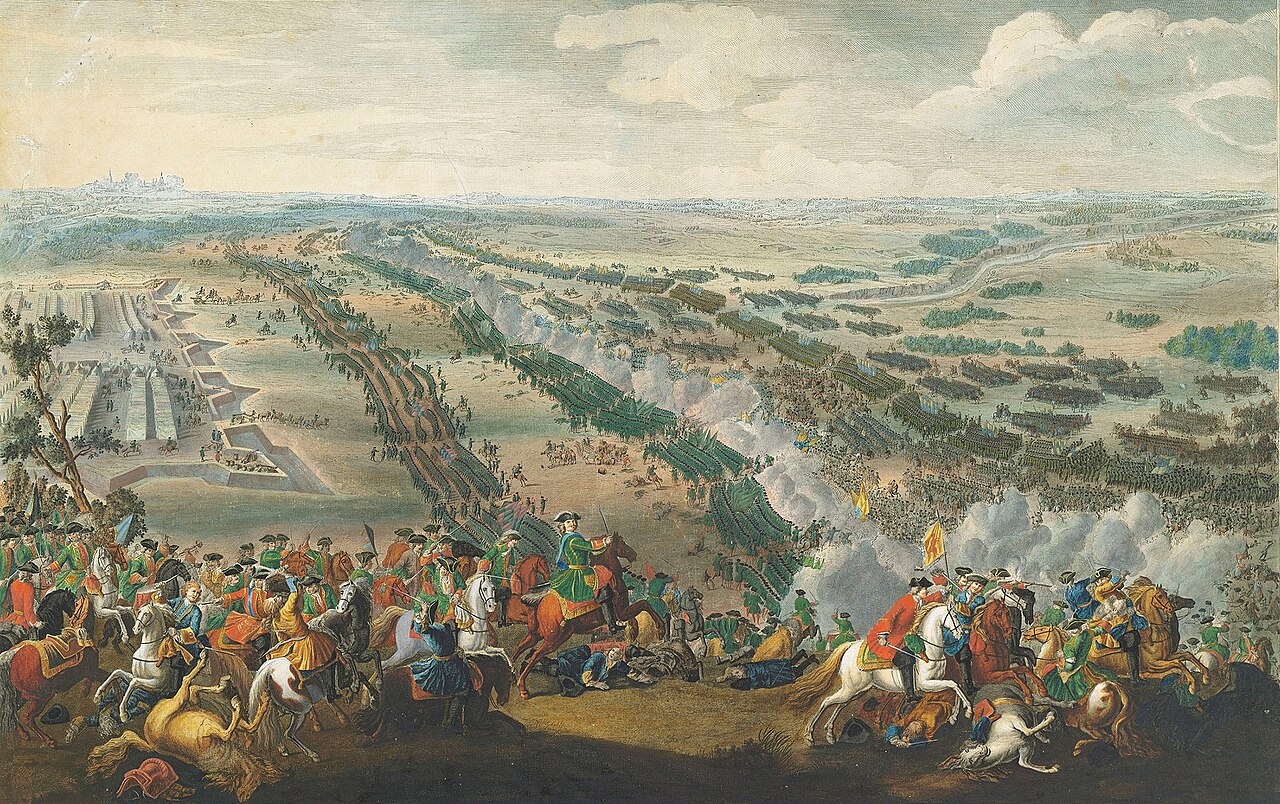

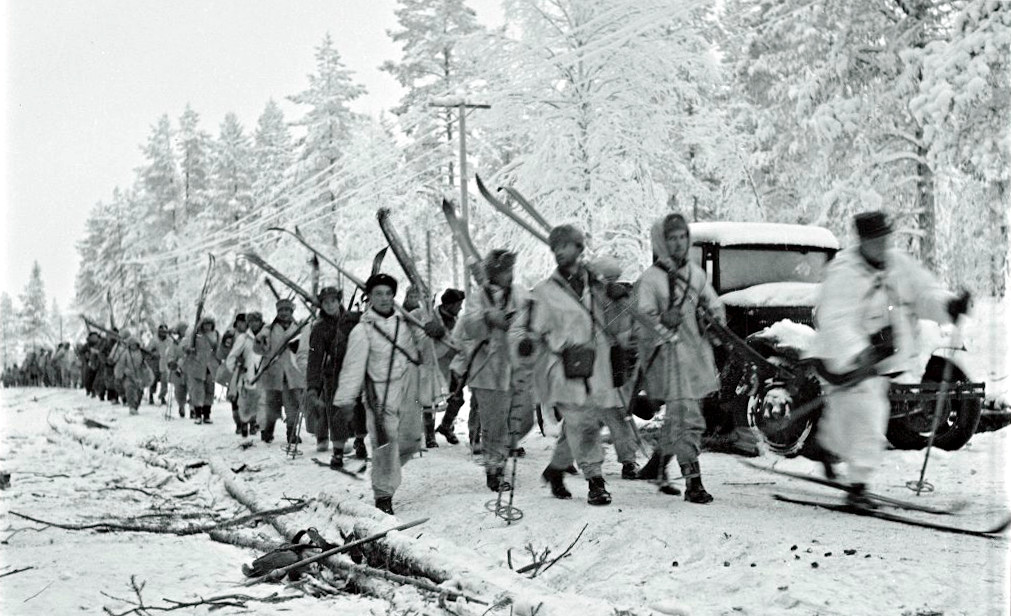
Characteristics and scale
Key features of a battle include opposing command structures, defined objectives, and the use of terrain, weapons and logistics. Size is a primary distinction: a small, limited encounter is typically termed a skirmish, while larger, decisive fights involve entire armies or fleets. When multiple battles are connected in time or geography they form a military campaign. Battles can be land, naval or combined; some focus on maneuver (moving forces to gain advantage) while others involve sieges or static defense.
History and notable examples
Battles have shaped political boundaries, social institutions and technology. Famous examples are often cited to illustrate strategic turning points: the encounter fought in 1389, commonly referred to by its year 1389, and events surrounding the Battle of Kosovo occupy an important place in regional memory. Likewise, the 1798 encounter at sea known as the Battle of the Nile resulted in a decisive defeat for the French fleet and influenced the course of events in Europe and beyond. Such examples show how a single battle can have consequences that extend well past the immediate military outcome.
Outcomes and importance
Outcomes of battles include tactical victory or defeat, strategic shifts, changes in morale, and political repercussions. A battle won tactically does not always translate into long-term success; logistics, reinforcements, diplomacy and public opinion can alter the ultimate result. Innovations in weapons, command and communication often emerge or are accelerated by the demands of battle.
Common terms and types
- Skirmish: a small, localized clash between detachments.
- Pitched battle: meeting of main forces on chosen ground.
- Siege: prolonged blockade and assault on a fortified place.
- Naval battle: combat between fleets or warships at sea.
- Ambush/raid: surprise actions intended to disrupt or destroy.
Understanding battles requires attention to planning, technology, morale and context. While battles are a military concept, their effects often reach civilian life, law and culture, leaving legacies that historians and societies study long after the guns fall silent.
Related articles
Author
AlegsaOnline.com Battle: definition, types, history, and significance Leandro Alegsa
URL: https://en.alegsaonline.com/art/9598