
Shipwreck: causes, types, archaeology and cultural significance
An overview of shipwrecks — remains of vessels found beached or sunken, their causes, preservation, archaeological importance, uses in tourism and ecology, and legal protection.
Overview
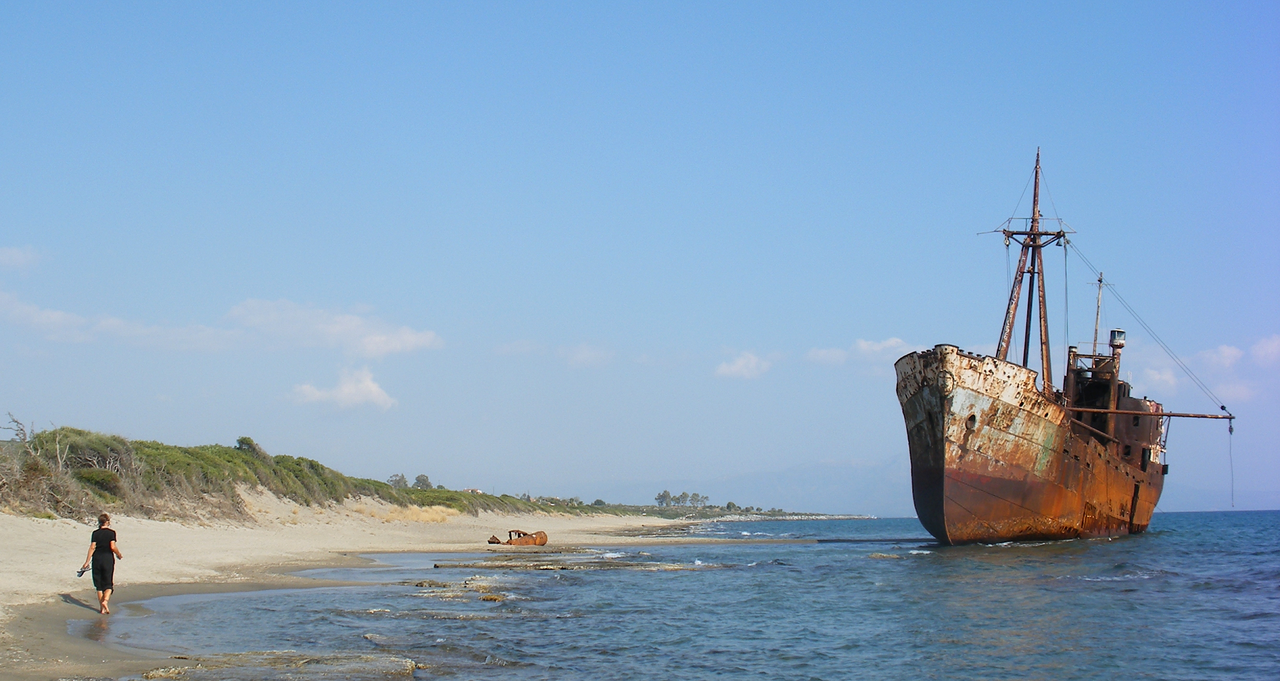
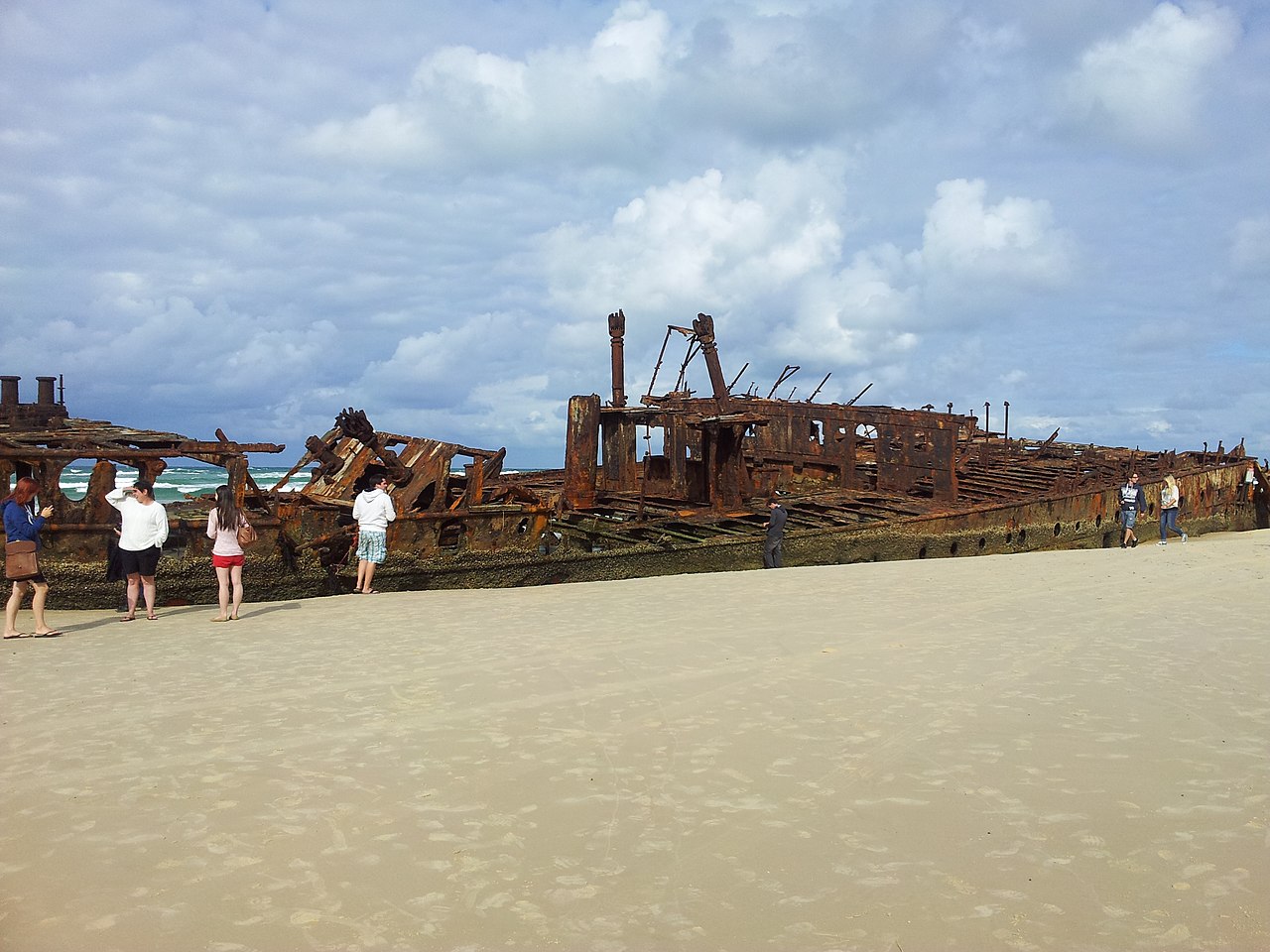
A shipwreck is the remains of a ship that has been destroyed, stranded, or otherwise rendered unusable. Wrecks appear in many forms: some lie beached on land or in tidal zones (beached) while others rest on the seabed or in inland waters (sunken). They can result from accidental events, deliberate scuttling, military action, or long-term neglect. International organizations such as UNESCO estimate there are millions of wrecks worldwide, with many examples dating back centuries or millennia and an estimated total measured in the millions (estimate).
Image gallery
10 Images





Causes and common types
Shipwrecks arise from a variety of causes. Some are sudden — collisions, storms, explosions, or wartime damage — while others occur when vessels are intentionally sunk to form artificial reefs or to dispose of obsolete craft. Older wrecks often result from navigational hazards and design limits of earlier eras.
- Groundings and strandings (landfall incidents)
- Storms and structural failure
- Combat and piracy
- Deliberate scuttling or reef creation
Characteristics and preservation
The physical state of a wreck depends on material, depth, salinity, and biological activity. Wooden vessels can survive for centuries in low-oxygen sediments, while iron and steel corrode more quickly in oxygen-rich seawater. Wrecks often become colonized by marine life and can preserve artifacts, cargo, and hull features that are valuable to archaeologists.
History, archaeology and notable examples
Maritime archaeology studies shipwrecks to learn about shipbuilding, trade, and daily life aboard. Famous wrecks such as the RMS Titanic or ancient Roman trading vessels have shaped public interest and research techniques. Excavation and remote survey tools (ROVs, side-scan sonar) have expanded discovery from shallow coasts to deep-ocean sites.
Uses, importance and legal protection
Shipwrecks serve multiple roles: as historical archives for researchers, as dive sites for tourism, as artificial reefs that support ecosystems, and as targets for salvage operations. Because wrecks can contain human remains, cultural objects, and protected heritage, many nations and international agreements provide legal protections. The UNESCO Convention on the Protection of the Underwater Cultural Heritage is one framework used to guide preservation and responsible investigation (UNESCO).
Distinctions and notable facts
Wrecks are distinct from derelict vessels that remain afloat and from modern shipbreaking yards where ships are dismantled intentionally. Each wreck has a context that determines whether it is best left undisturbed, conserved in situ, or studied through excavation. For further reading on terminology and case studies, consult maritime museums, conservation guides, and specialized survey reports (ship terminology, coastal cases, landfall, seabed studies, UNESCO texts, global estimates).
Questions and answers
Q: What is a shipwreck?
A: A shipwreck is what's left of a ship that has been damaged or destroyed.
Q: How are shipwrecks found?
A: Shipwrecks can be found either beached on land or sunken to the seabed of a body of water.
Q: Are all shipwrecks accidental?
A: No, shipwrecks can be intentional or accidental in nature.
Q: What is the estimated number of shipwrecks worldwide?
A: UNESCO estimates that worldwide over 3 million shipwrecks exist.
Q: Are all shipwrecks modern?
A: No, some shipwrecks are thousands of years old.
Q: What organization estimated the number of shipwrecks worldwide?
A: UNESCO estimated the number of shipwrecks worldwide.
Q: What causes shipwrecks?
A: Shipwrecks can be caused by various factors such as natural disasters, human error, and hostile actions.
Related articles
Author
AlegsaOnline.com Shipwreck: causes, types, archaeology and cultural significance Leandro Alegsa
URL: https://en.alegsaonline.com/art/89861
Sources
- unesco.org : "Wrecks"
- archive.fortune.com : "Curse of the $500 Million Sunken Treasure"
- nauticalcharts.noaa.gov : "Wrecks and Obstructions Database"