
Soanian: Lower Paleolithic stone tool tradition of the Soan Valley
Soanian refers to a Lower Paleolithic archaeological tradition centred on the Soan Valley (Sivalik Hills, Pakistan), known for pebble tools, choppers and occasional handaxes and for nearby Miocene fossil beds.
Overview
The Soanian is the name given to a group of early stone tool assemblages found in and around the Soan Valley in the Sivalik or Siwalik Hills of present‑day Pakistan. Archaeologists classify these finds as part of the Lower Paleolithic — the earliest long phase of human toolmaking sometimes called the "early stone age." The label also applies to the regional industry and the concentration of local sites along river terraces and gorges.
Image gallery
5 Images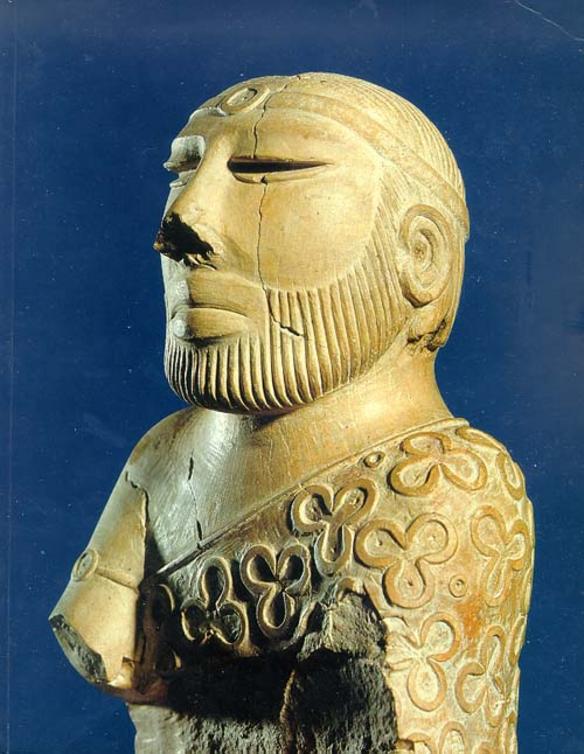


Characteristics of the tools
Soanian assemblages are dominated by simple flaked and percussive implements made from locally available pebbles and cobbles, especially quartzite. Typical artifacts include choppers, discoidal flakes, scrapers and cleavers; larger bifacial implements such as handaxes have been reported at some localities but are less common than in classic Acheulean contexts. Researchers emphasize the pragmatic, expedient character of many Soanian tools — shapes reflect the raw material and use on butchered animals, plant processing, or other campsite tasks rather than elaborate shaping.
Archaeological context and attribution
Sites are usually found on raised river terraces, gravels and exposed bedrock in the valley, where fluvial action concentrated suitable cobbles. Because no unequivocal human skeletal remains have been recovered in direct association with Soanian artifacts, attribution to a particular hominin is cautious: many specialists suggest early Homo populations such as Homo erectus or closely related hominins made and used these tools, based on tool type and broad dating to the Lower Paleolithic. The industry shows overlap with, and distinction from, contemporary industries elsewhere in South Asia, and debate continues about whether Soanian represents a local technical tradition or an adaptation of wider toolmaking behaviors.
Fossils and geology of the region
The Soan River gorge and surrounding Siwalik exposures are notable not only for artifacts but also for rich fossil beds. Miocene‑age deposits in the hills have yielded vertebrate fossils, with specimens interpreted as antiquities of gazelles, rhinoceroses, crocodiles, giraffes and various rodents. Many of these fossil finds are dated to the Miocene (on the order of millions of years old) and illustrate how the region preserved long sequences of geological and biological history. Rocks bearing fossil impressions and bones are visible in the gorge and have been studied for paleontological as well as archaeological insights.
Finds, displays and research
Excavations and surface surveys in the area have recovered hundreds of stone implements, including cleavers and flakes and occasional larger bifaces noted by early investigators. Some of the region's fossil specimens and curated artifacts are displayed in regional museums; for example, selected fossil material from the Siwalik collections can be seen at the Natural History Museum of Islamabad. Scholarly work continues to refine the chronology and behavioral interpretations of Soanian assemblages using stratigraphy, typology and occasionally absolute dating methods.
Significance and notable facts
- The term "Soanian" refers both to the stone tool industry and to the broader set of archaeological localities clustered around the Soan Valley.
- Some reports mention classic tool types such as handaxes and archaeological cleavers, although their frequency and context are subjects of discussion.
- Nearby fossil beds provide a longer environmental backdrop: in addition to large mammals, the valley preserves older faunal remains discovered in the river gorge (fossil sites) and catalogued material such as gazelle, rhinoceros, crocodile and giraffe remains.
Research on the Soanian continues to be important for understanding how early humans adapted their technology to South Asian landscapes and resources. The industry illustrates local toolmaking choices, riverine settlement patterns and the deep time context provided by the Siwalik fossil record. For further general reading and site reports consult specialist archaeological literature and regional museum catalogs that summarize excavations and collections.
For more information on fieldwork, typological studies and public displays, see regional summaries and institutional resources (museum guides and academic reviews) that document the Soanian and its environmental setting.
archaeological Soan Valley Homo erectus handaxes fossil sites gaszelle rhinoceroses crocodiles giraffes rodents Natural History Museum
Related articles
Author
AlegsaOnline.com Soanian: Lower Paleolithic stone tool tradition of the Soan Valley Leandro Alegsa
URL: https://en.alegsaonline.com/art/91384