
Trophy: forms, history, and cultural significance
An overview of trophies — objects awarded for achievement. Covers common forms, materials, historical origins, uses in sport and culture, and ethical or symbolic issues surrounding trophies.
Overview
A trophy is a physical object presented to recognize achievement, victory or distinction. Trophies are common in sport but also appear in the arts, sciences, business and academia. They serve both as a public marker of success and a private keepsake, often carrying inscriptions that record the recipient, date and event.
Image gallery
10 Images




Common forms and designs
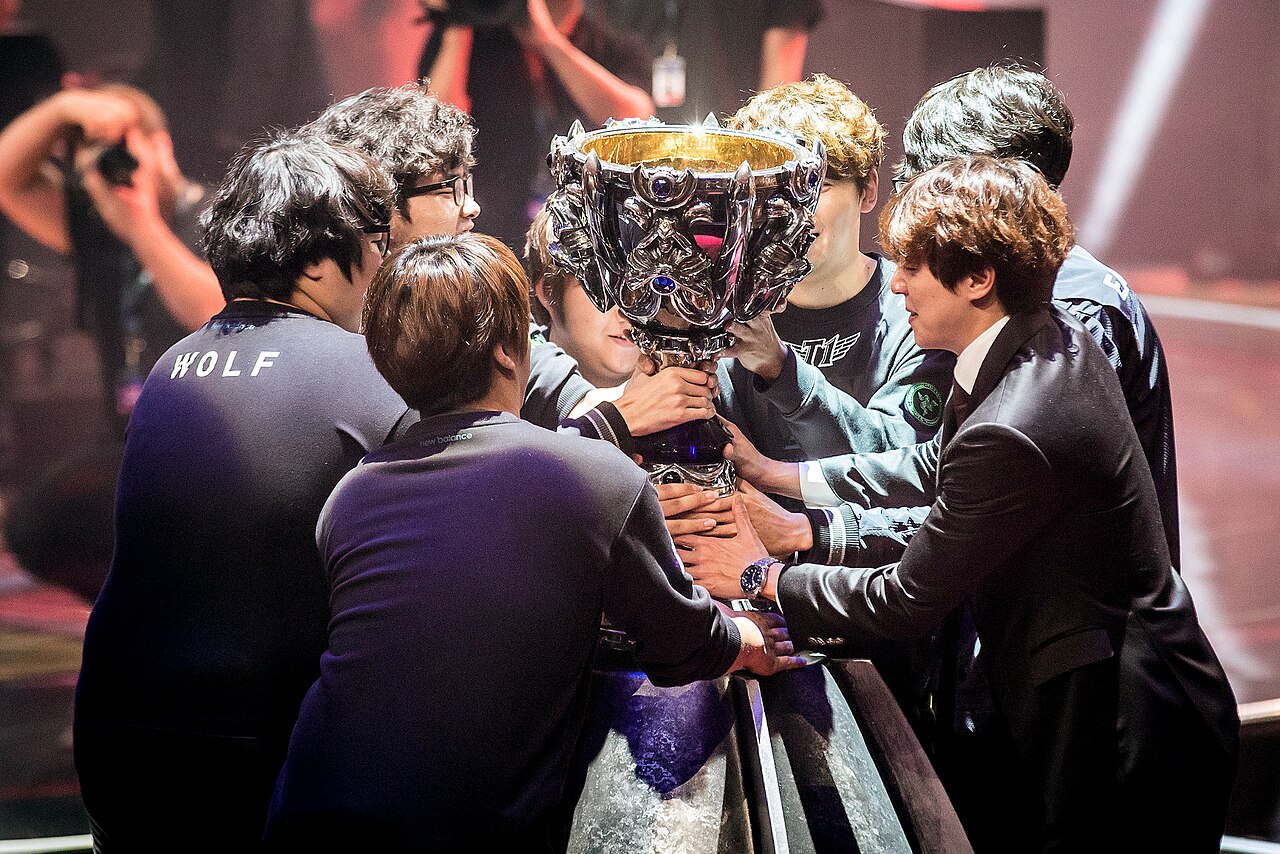
Trophies take many shapes and sizes. They may be mass-produced, custom-made, permanent or returned to the organizer as a perpetual award. Typical forms include:
- Cup-shaped trophies — the classic two-handled cup is associated with many sports and competitions.
- Bowls and chalices — similar to cups but often shallower and sometimes decorative.
- Plaques — flat panels, usually mounted on wood, used for commemorations and awards with engraved text.
- Mugs and novelty items — everyday objects adapted as awards, frequently engraved or printed.
- Figurative trophies — stylized human forms or statuettes, such as awards that resemble an actor or presenter.
- Thematic trophies — designs that reflect a field, for example a spacecraft-shaped prize for science fiction.
Materials and manufacture
Trophies are made from metal, glass, crystal, wood, plastic, resin or combinations of these. Traditional precious-metal trophies are often silver or silver-plated; many contemporary awards use cast resin or molded acrylic for economy and design flexibility. Engraving, etching, enameling and lacquering are common finishing techniques. Perpetual trophies are usually mounted on a plinth with small plaques recording past winners.
History and development
The idea of a physical token to mark victory is ancient: trophies in the classical world often consisted of captured arms or monuments. Over centuries the form evolved into cups, shields and later ornate statuettes tied to civic, military and athletic honors. The modern competitive sport trophy grew with organized events in the 19th and 20th centuries, while industry and cultural institutions developed specialized prizes that reflect their fields.
Uses, symbolism and debates
Trophies function as recognition, motivation and branding. They commemorate individual or team performance and can enhance reputations or careers. However, some trophies provoke controversy: hunting trophies raise ethical and conservation questions, and symbolic value can be undermined by counterfeit awards or excessive commercialism. Distinctions include one-off keepsakes, rotating perpetual cups and replicas issued to winners who must return a large, original prize to the awarding body.
Notable facts
Some awards become iconic because of their design or prestige; others are notable for being tied to a particular community or genre. Whether simple or elaborate, trophies remain an enduring cultural practice for marking achievement and telling a story about what a society values.
Related articles
Author
AlegsaOnline.com Trophy: forms, history, and cultural significance Leandro Alegsa
URL: https://en.alegsaonline.com/art/101651