
Reward (incentive and reinforcement)
An overview of rewards as incentives and reinforcement: definitions, types, psychological and biological aspects, practical uses in law enforcement, business, education, animal training and design considerations.
Overview
A reward is a positive outcome, benefit or recognition given in response to an action, achievement or behaviour. Rewards can be tangible (money, goods, bonuses) or intangible (praise, status, certificates). Their basic purpose is to encourage the repetition of desired actions or to acknowledge accomplishments. Rewards are often discussed in contrast to punishment, which is intended to reduce or deter unwanted behaviour.
Image gallery
4 Images

Types and classifications
Practitioners and researchers classify rewards along several common axes. One widespread distinction is between intrinsic and extrinsic rewards: intrinsic rewards arise from the activity itself (for example enjoyment, mastery, or a sense of purpose), while extrinsic rewards are provided externally (money, prizes, or formal recognition). Rewards may also be tangible or symbolic, and they can be immediate or delayed depending on whether the benefit follows directly after the action or is deferred (for example, a bonus or promotion).
Psychology and learning
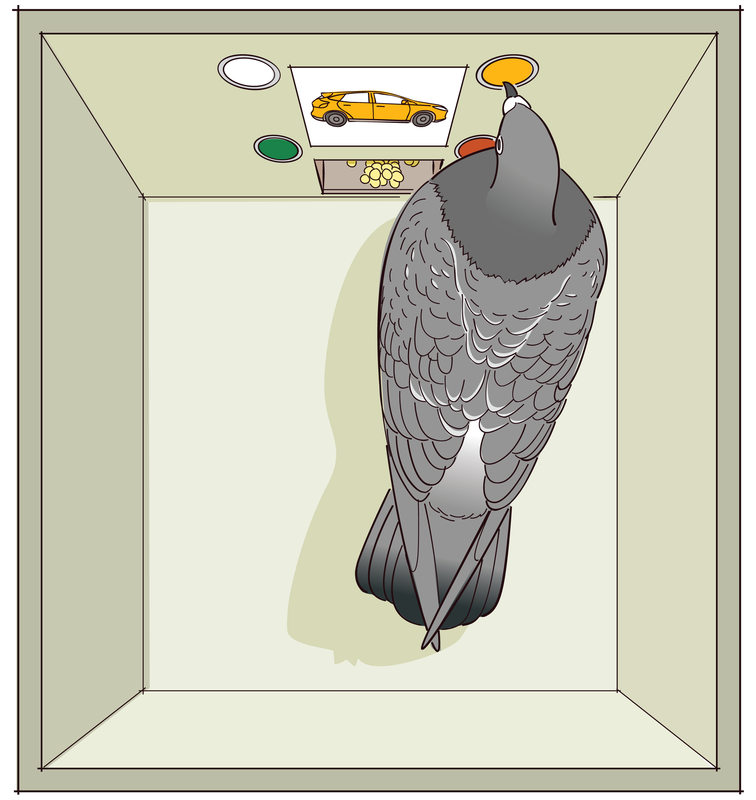
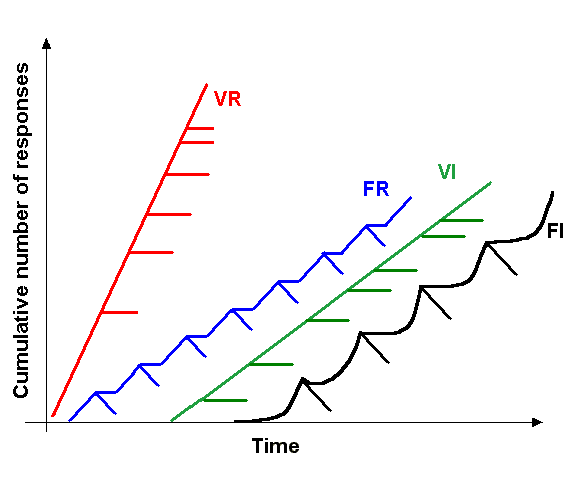
In psychology, rewards are central to many theories of learning and motivation. Operant conditioning describes how behaviours followed by positive consequences become more likely to recur. Research also shows that overreliance on external rewards can sometimes undermine intrinsic interest in an activity, a phenomenon often described in work on motivation. Different individuals respond differently to the same reward because perceived value depends on personal preferences, cultural context and prior experience. For broader background on these topics see psychology.
Biological basis
Neuroscientific work identifies brain systems that process reward-related information. Neurotransmitters such as dopamine are implicated in signaling prediction, expectation and the reinforcing properties of outcomes, but these biological systems interact with cognition, social context and emotion. Describing neural responses does not by itself determine appropriate policy or practice: biological findings complement, rather than replace, behavioural and social explanations.
Common applications
- Law enforcement and public safety: Authorities sometimes offer monetary rewards for information leading to the arrest or conviction of suspects or to recover missing persons or property. Governments and agencies may publicise such offers to solicit public assistance and tips.
- Business and human resources: Companies use bonuses, commissions, profit-sharing and recognition programs to align employee behaviour with organisational goals.
- Education and parenting: Teachers and caregivers use praise, grades, token economies and tangible incentives to reinforce learning and desirable conduct, while taking care to support intrinsic interest.
- Animal training: Positive reinforcement techniques, such as treats and clicker training, depend on timely and appropriate rewards to shape behaviours.
- Games, marketing and technology: Points, badges, loyalty programs and gamified features encourage engagement and repeat use in commercial and recreational contexts.
Design principles and ethical considerations
Effective reward systems typically make criteria clear, ensure perceived fairness, match rewards to the recipients’ values, and time rewards so that they reinforce the intended behaviour. Poorly designed rewards can create perverse incentives, encourage short-term thinking, or lead to gaming of the system. Ethical questions arise when rewards influence vulnerable populations or when incentives conflict with broader social goals. Policymakers and managers must weigh benefits against unintended consequences and adopt safeguards to protect fairness and transparency.
Historical and notable examples
Offering rewards as a public policy tool has a long history. Governments have used bounties and prize funds to promote discoveries, secure cooperation from the public and pursue criminals. For example, after the Eureka Stockade rebellion in Ballarat, authorities publicly announced a substantial reward for those believed to be responsible. In modern times high-profile criminal investigations sometimes include large monetary rewards to generate leads; the 2001 mailings of anthrax prompted widely reported reward offers as part of the investigation into the attacks, and the disease at issue is commonly identified as anthrax.
Practical guidance
When using rewards in organisations or programs, consider the following practical steps: define the target behaviour precisely, choose rewards that matter to intended recipients, ensure timely delivery, monitor for unintended outcomes, and combine rewards with feedback and opportunities for development. Blending intrinsic and extrinsic approaches—for example, pairing recognition with meaningful work—often produces more sustainable motivation than relying on external incentives alone.
Further reading and contexts
Discussion of rewards connects to topics in behavioural economics, organisational behaviour, education, law enforcement policy and neuroscience. Reliable overviews and specialised literature are available for readers who want deeper treatment of any of these fields. For general institutional context, see government, and for foundational ideas in psychology consult introductory material on psychology.
Related articles
Author
AlegsaOnline.com Reward (incentive and reinforcement) Leandro Alegsa
URL: https://en.alegsaonline.com/art/82429