
Skara Brae — Neolithic settlement on Mainland, Orkney
Skara Brae is a well‑preserved stone-built Neolithic village on the Bay of Skaill, Orkney. Occupied c. 3100–2500 BC, it reveals domestic life, architecture and community organisation in prehistoric Britain.
Overview
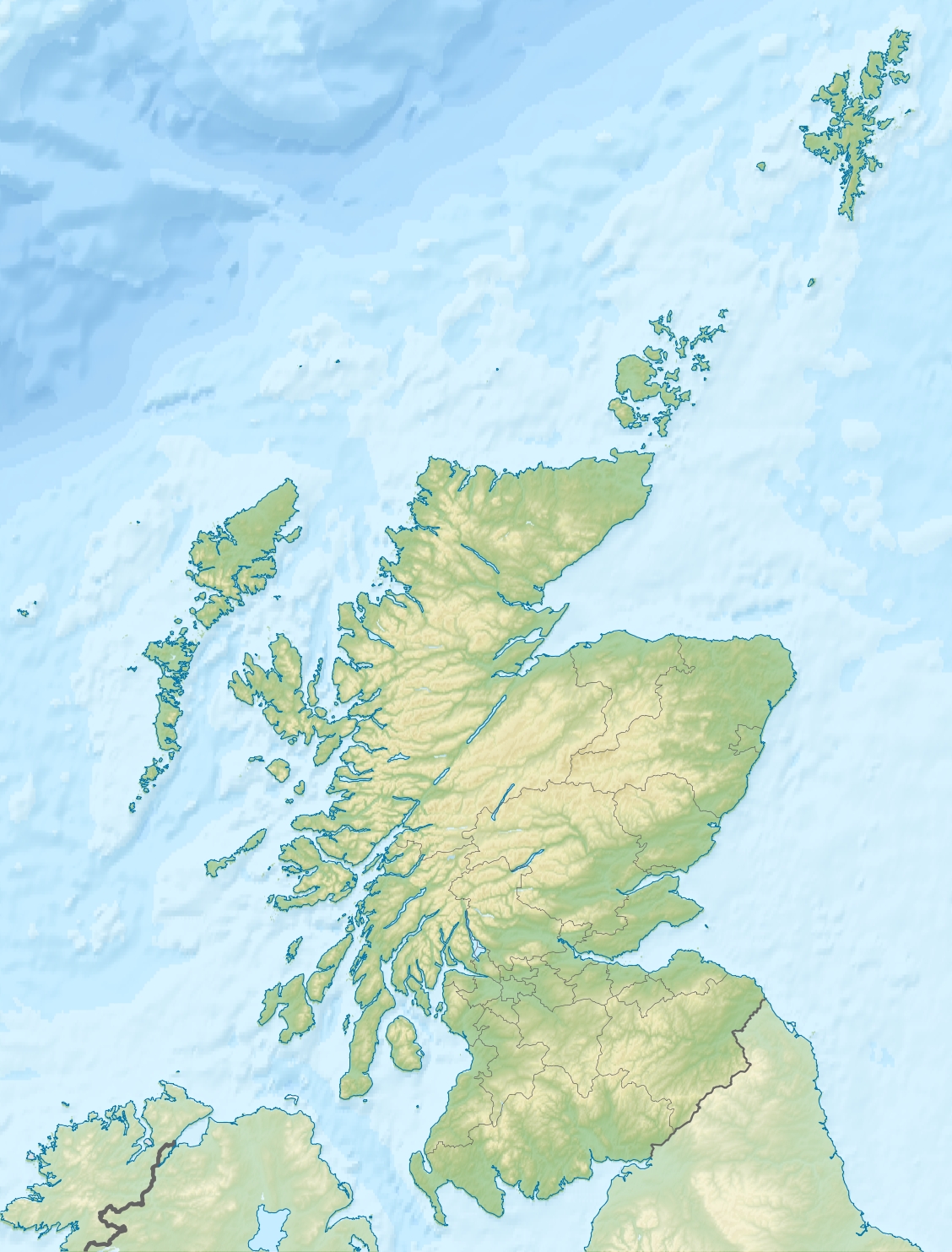
Skara Brae is a stone-built village on the Bay of Skaill on the west coast of Mainland, Orkney, in northern Scotland. Dated to roughly 3100–2500 BC, it is one of the best-preserved Neolithic settlements in Europe. The survival of entire houses, furniture and layout has made Skara Brae central to understanding domestic life in prehistoric Britain and a key component of the World Heritage Site inscribed by UNESCO as the Heart of Neolithic Orkney.
Image gallery
10 Images




Layout and features
The village comprises a cluster of stone houses linked by low passages and partly sunken into midden and sand. Each house contains built-in stone furniture: dressers, beds, seating and central hearths. Simple drainage channels and carefully set stone slabs show practical solutions to wind, rain and cold. The compact, repeated plan suggests a community with shared building traditions and close domestic organisation.
History of discovery and study
Skara Brae was exposed by severe storms in the 19th century and later investigated by antiquarians and archaeologists in the late 19th and early 20th centuries. Systematic excavations in the 1920s revealed the village’s sequence and artefacts, while ongoing conservation work prioritises protection from coastal erosion and visitor impact.
Importance and insights
Archaeologists have used finds from Skara Brae—stone tools, bone objects and pottery—to reconstruct diet, craft and household routines. Marine foods, small-scale agriculture and animal husbandry all appear in the archaeological record. The site is also a major educational and cultural resource, attracting visitors and scholars who study prehistoric social life, architecture and economy.
Notable facts
- Skara Brae contains around ten houses preserved in situ and dates to c. 3100–2500 BC.
- It forms part of the Heart of Neolithic Orkney UNESCO listing (UNESCO, World Heritage Site).
- Other UNESCO sites in Scotland include the Old and New Town of Edinburgh, New Lanark in South Lanarkshire, and St Kilda.
Related articles
Author
AlegsaOnline.com Skara Brae — Neolithic settlement on Mainland, Orkney Leandro Alegsa
URL: https://en.alegsaonline.com/art/90869
Sources
- visitscotland.com : "Visit Scotland"