
Northern Territory (Australia): overview, landscape, people and natural heritage
An overview of the Northern Territory of Australia: its geography, climate, Indigenous heritage, major towns, national parks such as Uluru and Kakadu, economy, and governance.
Overview
The Northern Territory is a sparsely populated territory of Australia in the central and central-northern part of the continent. Its capital and largest city is Darwin, a coastal centre that serves as the administrative, cultural and transport hub. Other important towns include Alice Springs, Katherine and Tennant Creek, which link remote communities, pastoral properties and tourist routes.
Image gallery
10 Images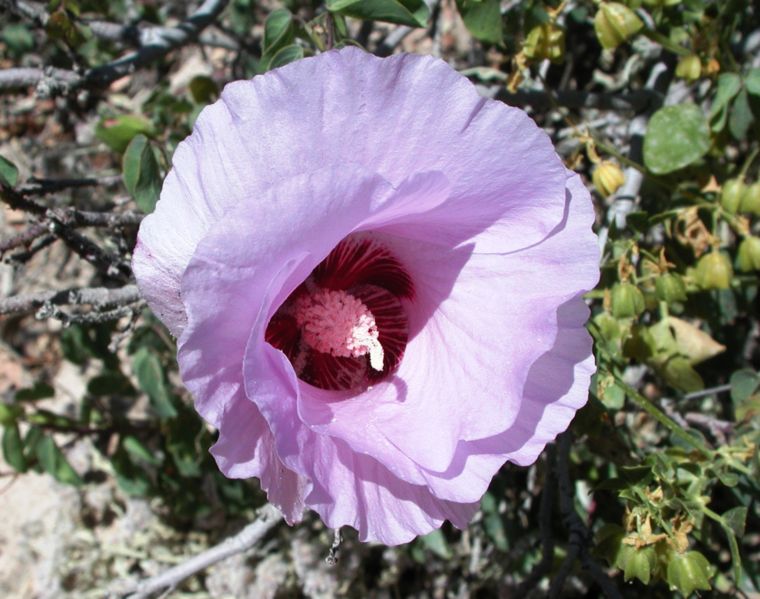


Landscape and climate
The Territory encompasses a wide range of landscapes, from tropical coasts in the north to vast arid interior deserts in the south and centre. Large desert areas dominate the central regions and are punctuated by rocky outcrops and isolated ranges. The northern coastline has a monsoonal climate with a distinct wet season of heavy rainfall and a dry season of warm, clear weather. Inland, the climate is more arid and characterised by hot temperatures and low, variable rainfall.
Natural heritage and protected areas
The Northern Territory is home to several globally significant natural and cultural sites. Uluru (Ayers Rock) is an iconic sandstone monolith rising from the desert plain and is regarded as a sacred place by the region's Indigenous custodians; it forms part of a landscape of spiritual and ecological value. Kakadu National Park is listed as a World Heritage area for both its outstanding natural ecosystems and its long human history. The park and other protected areas contain diverse habitats—estuaries, tidal flats, floodplains and rocky gorges—and support many plant and animal species adapted to seasonal cycles and extreme conditions (ecosystems).
People, culture and history
First Nations peoples have lived across the region for at least 40,000 years, maintaining deep cultural connections to country. Archaeological sites, rock paintings and carvings record long-standing traditions, knowledge systems and ongoing cultural practices. European exploration and settlement from the 19th century brought new patterns of land use, challenge and change. Today the Territory contains a significant proportion of Indigenous communities, with many languages and cultural groups continuing to play a leading role in land management, art and community life (native people).
Economy, transport and settlement
The economy combines public administration, tourism, mining, pastoralism (cattle) and services centred on regional towns. Tourism is drawn to natural landmarks and cultural experiences; major visitor routes and attractions are concentrated around Darwin, Uluru and national parks. Road and rail connections—most notably the north–south transport corridor—link remote settlements and facilitate freight to the northern port facilities, while air travel remains essential for many communities.
Administration and conservation
As an Australian territory, the Northern Territory has a unique administrative status with local self-government and ongoing federal involvement in certain areas. Conservation and land-rights arrangements are central to management decisions, balancing economic activities with the protection of cultural sites and fragile environments. Visitors and residents alike are encouraged to respect cultural protocols and natural values when travelling in the Territory (desert landscapes, territory governance and protected areas).
- Major towns: Darwin, Alice Springs, Katherine, Tennant Creek
- Notable sites: Uluru, Kakadu
- Themes: Indigenous culture, conservation, remote settlement, tourism
For further introductions and practical information about visiting or studying the region, consult official tourism and cultural resources and authoritative environmental summaries (World Heritage references and ecosystems overviews offer starting points).
Related articles
Author
AlegsaOnline.com Northern Territory (Australia): overview, landscape, people and natural heritage Leandro Alegsa
URL: https://en.alegsaonline.com/art/71059
Sources
- commons.wikimedia.org : Northern Territory
- whc.unesco.org : "Kakdu World Heritage Area"
- anbg.gov.au : "Floral Emblem of Northern Territory"