
Spear-thrower (atlatl, woomera): a leverage weapon and its history
A spear-thrower is a handheld device that increases the range and speed of a thrown spear. Also called an atlatl or woomera, it appears in many cultures and shaped hunting and warfare technology.
Overview
A spear-thrower is a simple mechanical extension of the human arm used to launch a spear or dart with greater speed and force than by hand alone. Often made from wood or bone, the device increases leverage and the effective length of the thrower’s arm. Its general purpose is to multiply velocity and kinetic energy so that projectiles travel farther and hit harder.
Image gallery
9 Images




Design and mechanics
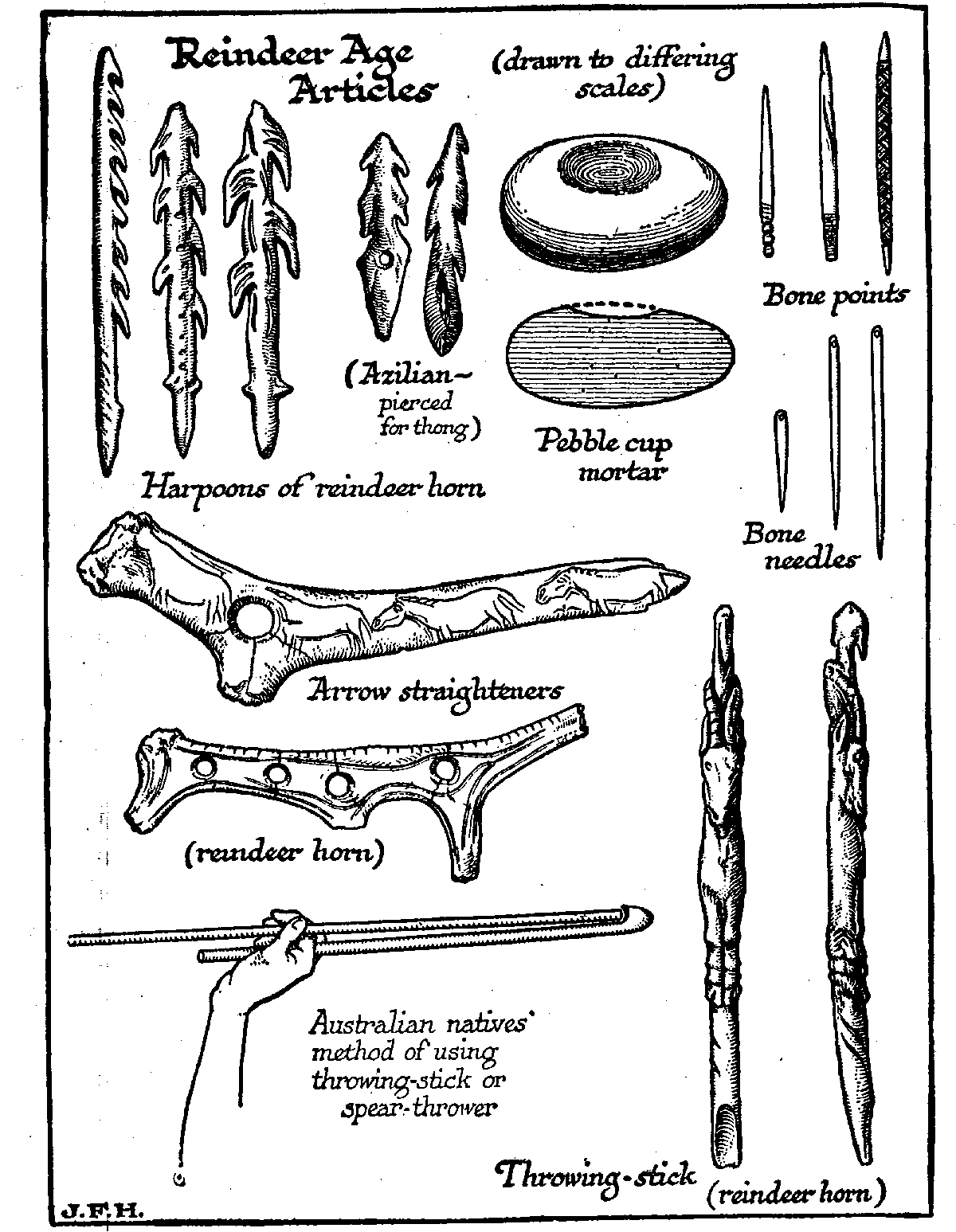
Most spear-throwers consist of a handle and a projecting spur, hook or socket that holds the butt of the spear or dart. When the user accelerates the implement in a throwing motion, the device acts like a lever, storing and releasing energy more efficiently than the arm alone. This mechanical advantage can be described in simple terms: by increasing the radius of rotation, the tip of the spear attains a higher linear speed for the same angular motion.
- Common parts: handle, shaft, hook or cup for the projectile
- Materials: wood, bone, antler, occasionally composite materials
- Performance: increased range, penetration, and accuracy under skilled use
History and geographic distribution
Spear-throwers are ancient: archaeological examples date back tens of thousands of years in several regions. Independent developments or widespread diffusion produced many regional types. In Mesoamerica, the term atlatl is often used; in parts of Australia the device is widely known as the woomera. The tool appears in the archaeological record of Europe, Asia, the Americas and Australia and was used by hunter-gatherer and early agricultural societies alike.
Uses and cultural significance
Historically the device served both hunting and warfare. It allowed hunters to strike animals at greater distance and with more lethal impact, improving success rates against large game. In some societies the spear-thrower also carried ceremonial or decorative value and could be ornately carved or painted.
- Hunting: extended range and power for large and small game
- Warfare and skirmishing: stand-off capability and volley fire
- Ceremony and status: decorative examples in museum collections
Variations, terminology and modern interest
Names and forms vary regionally. The Aztec and other Mesoamerican cultures used an atlatl; many Australian Aboriginal languages use the term woomera (a Dharug word used widely in English). Modern enthusiasts and experimental archaeologists reconstruct spear-throwers to study prehistoric hunting techniques and performance. Contemporary demonstrations and competitions show that, in skilled hands, the device can achieve impressive accuracy and range compared with unaided throws.
For more visual or technical material see specialized references and experimental studies such as those linked here: spear technology, throwing mechanics, and regional ethnographic resources like Aboriginal woomera.
Related articles
Author
AlegsaOnline.com Spear-thrower (atlatl, woomera): a leverage weapon and its history Leandro Alegsa
URL: https://en.alegsaonline.com/art/92542