
Spiro Mounds: Mississippian archaeological complex in Oklahoma
Spiro Mounds is a major Mississippian archaeological site in eastern Oklahoma, known for platform mounds, rich burial offerings, long-distance trade connections, and an on-site museum open to visitors.
Overview
Spiro Mounds is a prehistoric Native American site on the Arkansas River floodplain in eastern Oklahoma, adjacent to the modern town of Spiro. Occupied during the Mississippian period (roughly c. AD 800–1450), it ranks among the most important pre-Columbian archaeological complexes in the United States for the quality and variety of artifacts recovered and for evidence of regional ceremonial activity.
Image gallery
10 Images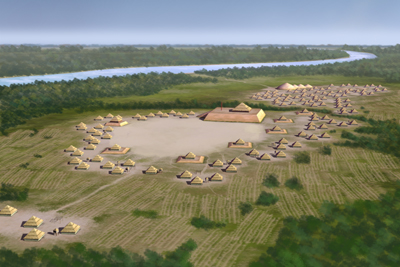




Site features and chronology
The site consists of multiple earthen platform mounds arranged around a central plaza, with residential areas and agricultural lands nearby. The largest mound, often called the Great Mortuary or Craig Mound, contained elaborate burial deposits and ritual objects. Archaeological evidence indicates a hierarchical community with leaders who controlled ceremonial centers, trade, and religious practices.
Archaeology and artifacts
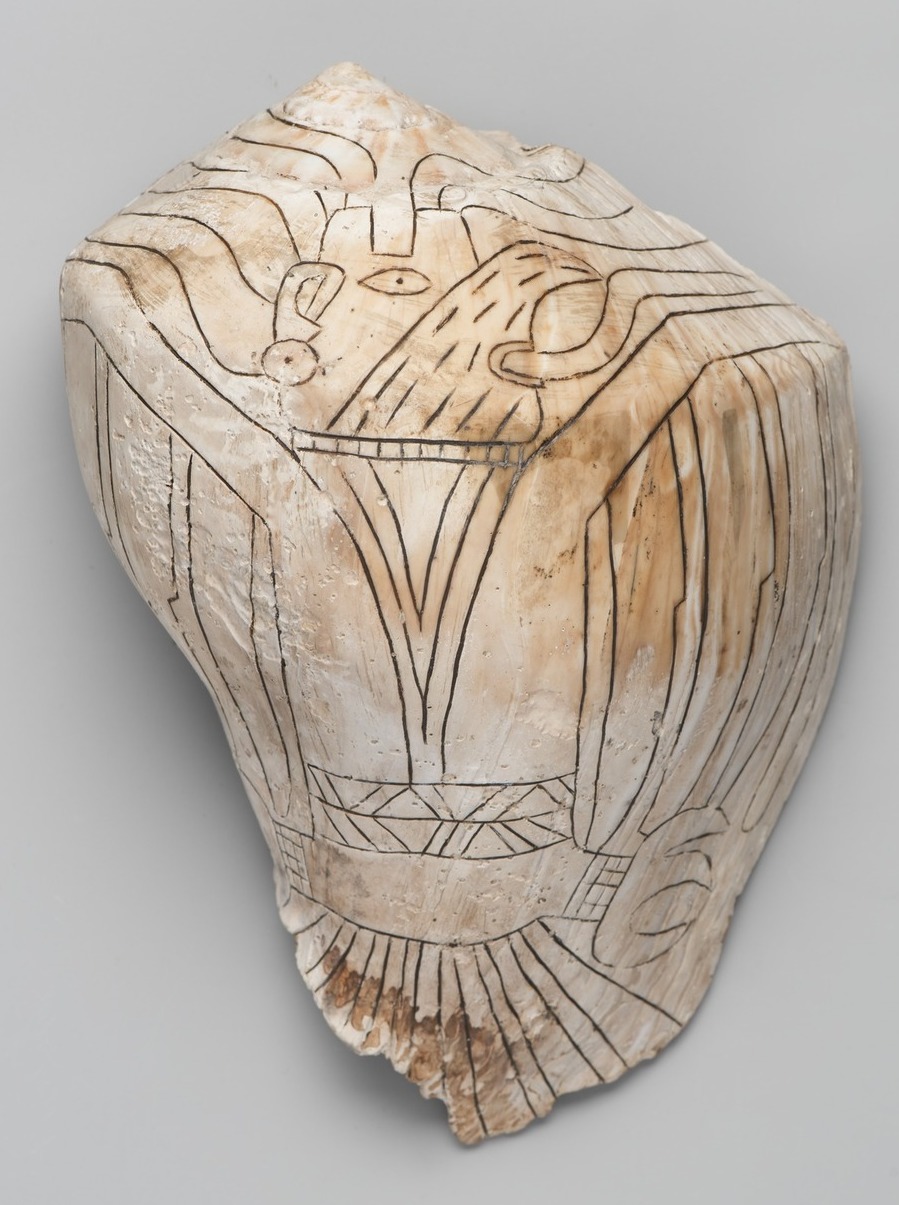
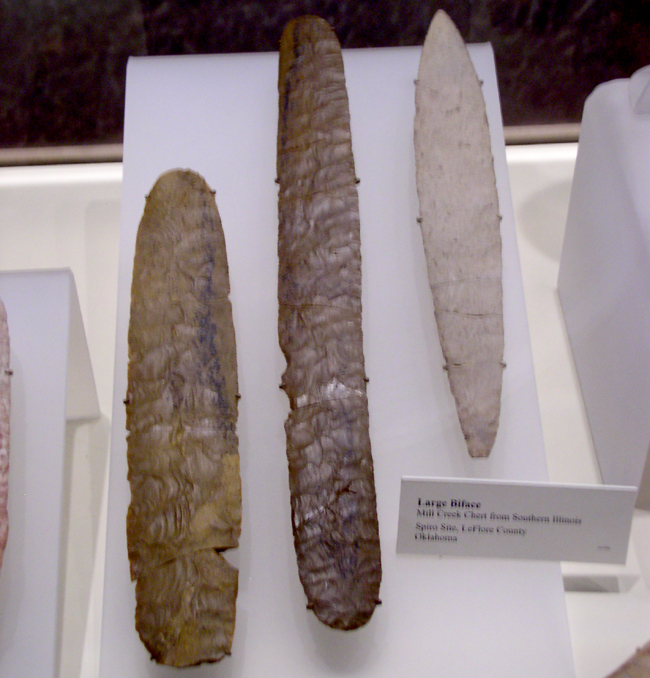
Spiro became widely known after extensive looting in the late 19th and early 20th centuries exposed burial chambers; professional excavations began in the 20th century and revealed a rich material record. Excavators recovered carved shell gorgets, embossed copper plates, stone effigies, mica sheets, fine pottery, and other items associated with the Southeastern Ceremonial Complex (SECC).
- Shell and engraved stone ornaments
- Copper plates and repoussé metalwork
- Mica sheets and carved stone figures
- Elaborate grave offerings indicating elite status
Interpretation and connections
The diversity and exotic origin of many grave goods show Spiro participated in wide-ranging exchange networks reaching the Gulf Coast, the Ohio River valley, and other interior regions. Iconography on objects from Spiro has been central to study of Mississippian religion and political symbolism and helped define the SECC as a shared set of motifs and ceremonial practices across the Southeast.
Historic significance and visiting today
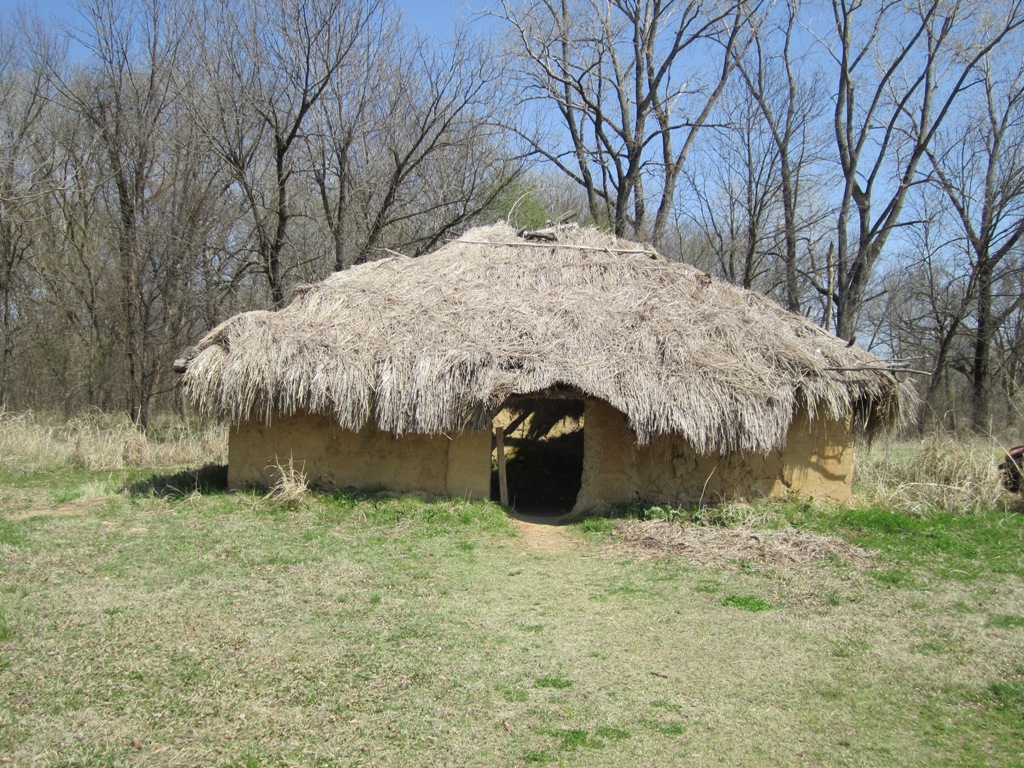
Findings at Spiro transformed scholarly understanding of social complexity, ritual life, and interregional contact before European arrival. Many artifacts are now in museums and collections; the site itself is preserved and interpreted by the Oklahoma Historical Society, which operates a museum, trails, and reconstructed elements to help visitors learn about its people and discoveries.
Related articles
Author
AlegsaOnline.com Spiro Mounds: Mississippian archaeological complex in Oklahoma Leandro Alegsa
URL: https://en.alegsaonline.com/art/92724