
Riot: causes, dynamics, policing, and notable examples
A concise guide to riots: what they are, common triggers and behaviors, policing responses and control methods, notable historical examples, and social and legal consequences.
Overview
A riot is a large, disorderly, and often violent public disturbance in which a group of people acts collectively in ways that threaten public safety, private property, or civil order. Such events can arise suddenly or build over time and may involve a mix of participants with different motives. The term is used in law enforcement, journalism, and social analysis to describe gatherings that become destructive rather than peaceful; for a general description see violent crowd behavior.
Image gallery
10 Images


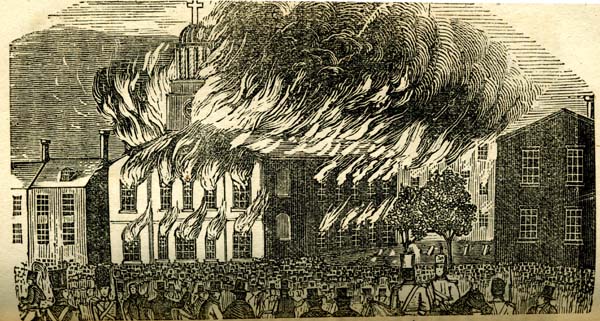
Common triggers and contexts
Riots can follow sporting events (sports-related unrest), political demonstrations (demonstrations), or protests that escalate (protest turnarounds). Other triggers include economic grievances, perceived injustices, communal tensions, or opportunistic looting when public order is weakened. Some events start as peaceful assemblies and devolve into violence when a portion of the crowd engages in aggressive acts.
Typical behaviors and characteristics
Riot behavior varies, but common elements include coordinated or spontaneous attacks on property and people, rapid dispersal and regrouping, and the use of improvised projectiles. Typical actions often reported are:
- Damage to vehicles and structures, including smashed windows and burned cars (property damage).
- Physical altercations with bystanders or rival groups.
- Group movement through streets or neighborhoods, sometimes blocking traffic.
Policing methods and crowd control
Authorities, including the police, use a range of tactics to restore order. In many places, especially in the Western world, law-enforcement units use protective equipment such as shields and try to limit harm with nonlethal options. Common crowd-control tools include:
- Less-lethal weapons such as rubber bullets and batons.
- Dispersal devices like water cannons and chemical irritants such as tear gas and pepper spray.
- Mass detention and legal processing to arrest participants where charges apply.
When control fails or violence escalates, authorities sometimes resort to forceful measures that can injure people (causing harm), which raises legal and human-rights concerns.
Geographic distribution and notable occurrences
Riots have occurred worldwide, with high-profile episodes reported in many countries. Well-known examples have taken place in England, Northern Ireland, the United States, India, Pakistan, Bangladesh, Australia, France, Hong Kong and mainland China. Each setting reflects different political, social and legal contexts that shape how and why disturbances occur.
Consequences, distinctions and response considerations
Effects of riots include loss of life, injury, economic damage, and longer-term social mistrust. Legal systems distinguish between lawful protest and criminal riotous conduct; labeling an event a riot often affects the policing response and post-event prosecutions. Scholarly and policy discussions focus on prevention through dialogue, crowd management strategies that minimize harm, accountability for abuses by participants and responders, and addressing underlying grievances to reduce recurrence.
Related articles
Author
AlegsaOnline.com Riot: causes, dynamics, policing, and notable examples Leandro Alegsa
URL: https://en.alegsaonline.com/art/83023