
Public Protests: Types, Methods, Legal Context, and Political Impact
Overview of public protests: types, methods, legal frameworks, motives and political impact. Covers peaceful and disruptive tactics, rights and restrictions, effectiveness factors, and consequences for policy and public opinion.
A protest is a collective public action in which people show support for or opposition to a social condition, law, policy, or decision. Protests can be brief or sustained, small or large, and they aim to draw attention to an issue, influence public opinion, or press authorities for change.
Image gallery
10 Images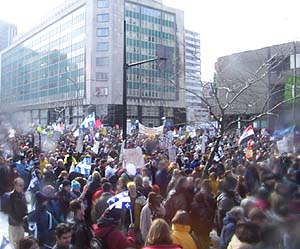


Common targets
- Campaigns against racism and other forms of discrimination.
- Public demonstrations opposing war or particular military actions.
Typical methods
- Writing and sending letters to decision-makers, editors, or institutions.
- Refusing to eat as a form of protest (hunger strikes).
- Performing or singing songs and chants to convey messages and build solidarity.
- Some protests turn violent and become riots, which usually carry legal and safety risks.
Nature and legal context
Protests range from peaceful demonstrations and civil disobedience to disruptive or unlawful actions. Whether an action is permitted depends on local laws, permits, and the manner in which it is carried out. Nonviolent tactics are often used to maintain public sympathy and reduce the chance of escalation, while violent outbreaks tend to shift focus and can undermine stated goals.
Why people protest
Participants protest for many reasons: to highlight injustices, demand policy changes, show solidarity with affected groups, or resist decisions they consider harmful. The effectiveness of a protest depends on organization, numbers, strategy, media coverage, and the political environment.
Related articles
Author
AlegsaOnline.com Public Protests: Types, Methods, Legal Context, and Political Impact Leandro Alegsa
URL: https://en.alegsaonline.com/art/79524