
Romanian Revolution of 1989
A brief, neutral overview of the December 1989 uprising in Romania that ended Nicolae Ceaușescu's rule, its causes, course, outcomes and how it differed from other Eastern European transitions.
Overview
The Romanian Revolution was a sudden, week-long uprising in late December 1989 that toppled the communist regime led by Nicolae Ceaușescu. What began as local protests escalated into nationwide unrest, including violent riots and fighting, and culminated in the collapse of the ruling party. The events are often discussed alongside other 1989 transitions in Eastern Europe, but Romania's change of government was notably more confrontational than most.
Image gallery
10 Images




Background and causes
Throughout the 1980s, Romania experienced severe economic hardship, political repression and strict controls on daily life. Dissatisfaction with austerity policies, shortages and the heavy-handed security services combined with a weakening Soviet bloc to create fertile ground for protest. Dissent that had been localized found rapid momentum once demonstrations spread beyond single cities.
Course of events
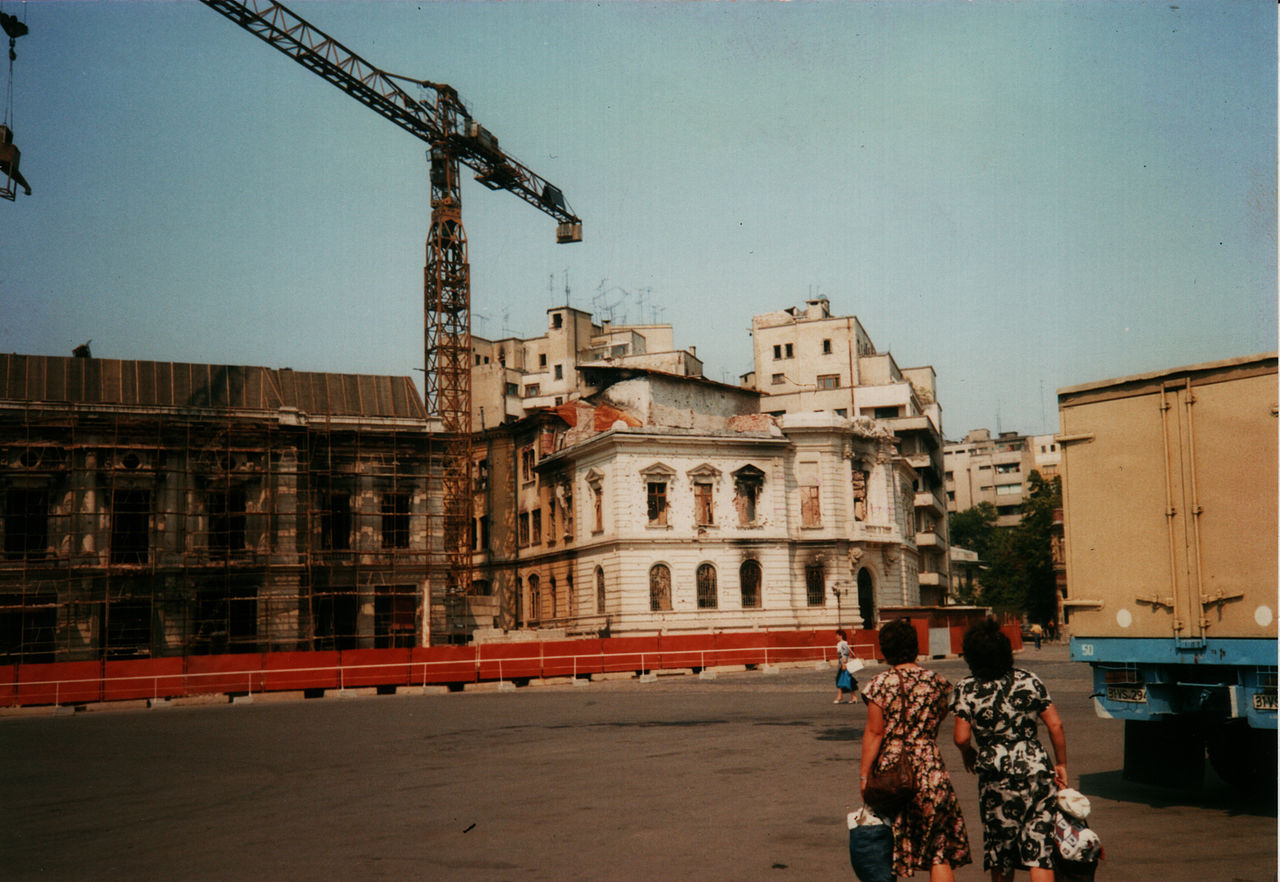
The uprising spread from provincial centers to the capital and provoked clashes between demonstrators, security forces and, eventually, parts of the army. Public buildings were seized, mass demonstrations filled public squares, and the national leadership lost authority. Ceaușescu's regime attempted to suppress the unrest, but the situation rapidly unraveled and the leader was arrested and removed from power.
Casualties, aftermath and transition
The confrontation left many dead and wounded; estimates indicate that the toll was substantially higher than in other 1989 transitions. In the immediate aftermath, a provisional governing body took control and the country moved toward multiparty elections and systemic reforms. The transition was uneven and politically contested, with debates about responsibility for the violence and the pace of economic and democratic change.
Comparison and significance
Romania's revolution stands out among the 1989 upheavals because of its violence. Other countries in the region experienced rapid but largely non-violent transitions—examples include the Czechoslovak and Polish processes—while some nations had different trajectories, such as Albania. Analysts emphasize Romania's distinctive mix of spontaneous protest, security force involvement and contested political succession.
Further topics and resources
- Origins and immediate triggers of the December unrest; see contemporary reports and analyses (country overview).
- Role of the security services and the sequence of military decisions that altered the course of events (political context).
- Long-term effects on Romania's democratization and economic reform; ongoing debates among historians and participants.
For readers seeking more detail, academic studies and first-hand accounts provide timelines, legal proceedings and retrospective assessments of the revolution's causes and consequences.
Related articles
Author
AlegsaOnline.com Romanian Revolution of 1989 Leandro Alegsa
URL: https://en.alegsaonline.com/art/83898