
Roerich Pact (Pax Cultura): International agreement for protecting cultural property
1935 inter‑American treaty promoting protection of museums, monuments and scientific institutions; emphasized cultural preservation over military necessity and inspired later heritage law.
Overview
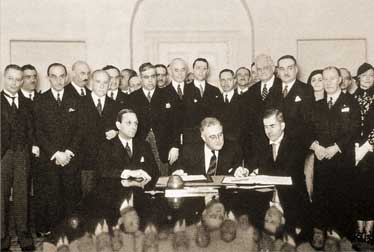
The Roerich Pact is an international treaty dedicated to the protection of artistic and scientific institutions and historic monuments. It was formally signed on 15 April 1935 in the Oval Office of the White House by representatives of twenty-one states. The pact, often called Pax Cultura ("Cultural Peace"), sought to establish a clear legal principle: the safeguarding of cultural property should take precedence over military considerations whenever possible. The original text and related materials are commonly referenced as primary sources for the idea of cultural protection treaty text, and the signing ceremony took place at the White House.
Image gallery
6 Images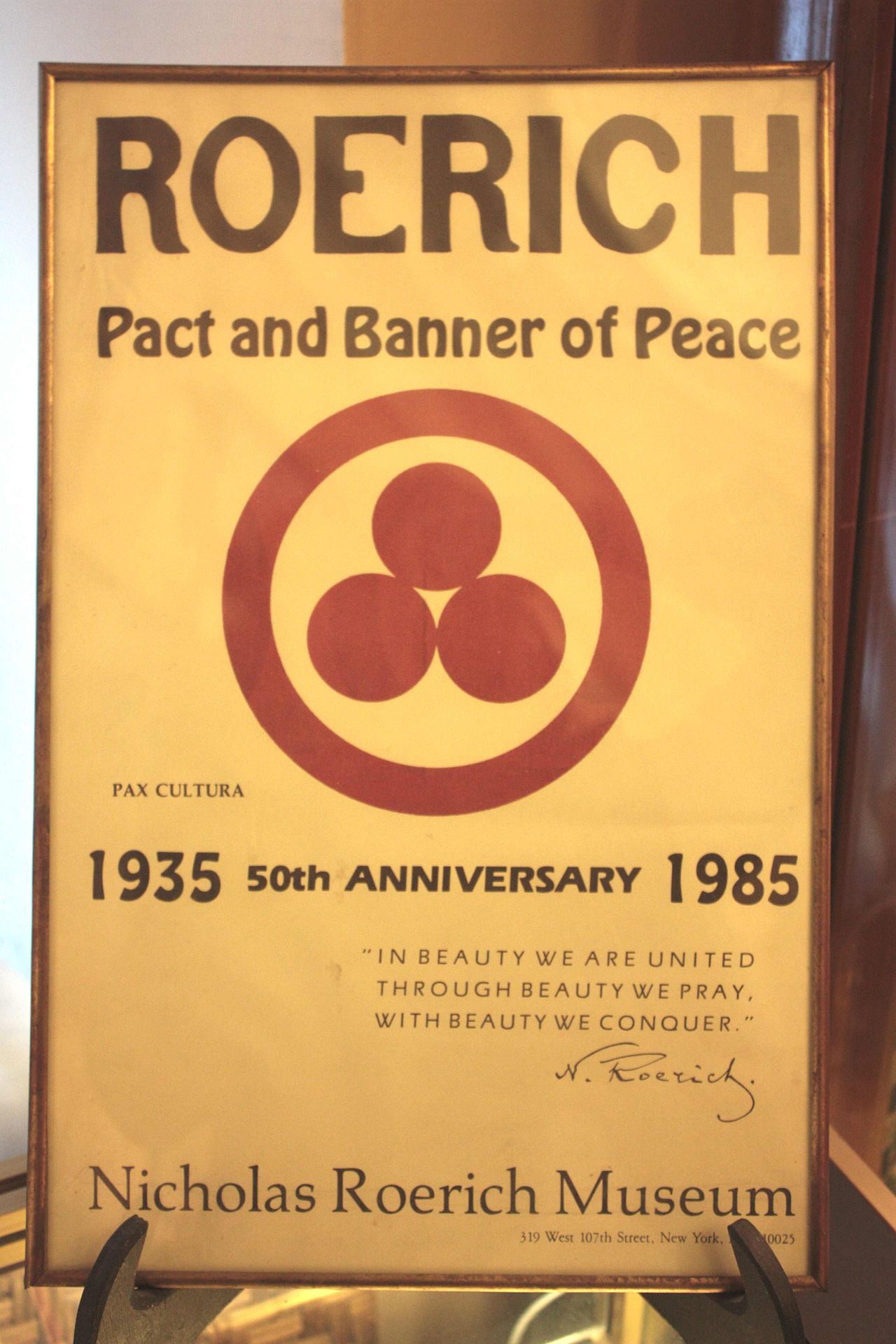


Origins and authorship
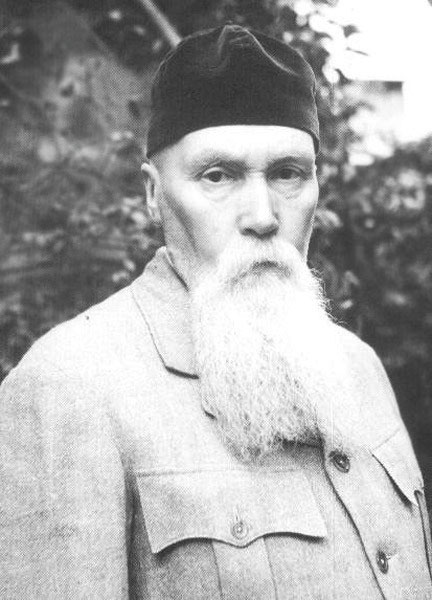
The initiative for the pact came from Nicholas Roerich, a painter, cultural advocate, and public figure who campaigned for the international protection of monuments, museums, libraries and scientific institutions. His program emphasized an ethical respect for culture and proposed practical measures to mark and safeguard cultural sites. The phrase Pax Cultura encapsulated his belief that culture could act as a force for peace and mutual respect among nations.
Core principles and emblem
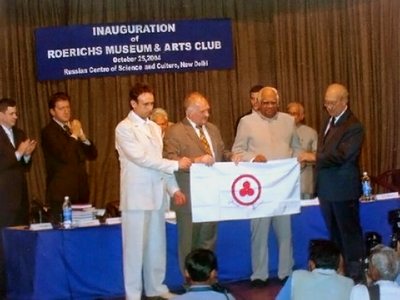
At its center the Roerich Pact obligates signatory states to protect cultural institutions and to refrain from using them for military purposes. It also introduced the Banner of Peace, a distinctive emblem meant to mark protected sites and collections so combatants would recognize and avoid them during hostilities. The pact’s guiding maxim—that protection of cultural heritage should override military necessity—became one of its most cited and debated features in later international law and diplomatic discussions.
Ratification and parties
The Roerich Pact entered into force on 26 August 1935 after a number of ratifications. By 1990, ten nations were recorded as having ratified the treaty. Those states included:
Legal status, adoption and influence
Although the pact achieved relatively limited ratification compared with later global agreements, it established an early multilateral commitment to cultural protection and influenced subsequent developments in international law. It entered into force in 1935 and remained a reference point for advocates of heritage protection. The government of India approved the pact in 1948 but did not complete further ratification steps or deposit formal instruments to bring it into force for that state India action. Over time the Roerich Pact’s concepts were echoed and expanded in other instruments, and its Banner of Peace became a symbolic precursor to later emblems and protective measures.
Legacy and notable points
The Roerich Pact is historically significant for placing cultural preservation at the forefront of international concern. Its strengths include a clear moral stance and a simple, communicable emblem intended for everyday recognition. Limitations have included its geographic concentration among American states in the 1930s and the absence of robust enforcement mechanisms. Nevertheless, historians and heritage professionals cite the pact as an early and influential step toward the comprehensive protection regimes that followed in the mid‑20th century.
Further reading and context
- The pact’s original provisions and emblem are primary sources for the study of cultural protection and are often cited in discussions of armed conflict and heritage policy (text of the pact).
- The signing location and diplomatic context are part of its public record and are linked to the 1935 ceremony at the Oval Office.
- Lists of parties and ratification records can be consulted through archival and governmental repositories referenced by the countries that ratified the instrument, including Brazil, Chile, Colombia, Cuba, Dominican Republic, El Salvador, Guatemala, Mexico, United States and Venezuela.
Questions and answers
Q: What is the Roerich Pact?
A: The Roerich Pact is a treaty on Protection of Artistic and Scientific Institutions and Historic Monuments.
Q: When was the Roerich Pact signed?
A: The Roerich Pact was signed on April 15, 1935.
Q: How many states representatives signed the Roerich Pact?
A: The Roerich Pact was signed by representatives of 21 states.
Q: How many nations ratified the Roerich Pact as of January 1, 1990?
A: As of January 1, 1990, the Roerich Pact had been ratified by ten nations.
Q: What countries ratified the Roerich Pact?
A: The countries that ratified the Roerich Pact are Brazil, Chile, Colombia, Cuba, the Dominican Republic, El Salvador, Guatemala, Mexico, the United States, and Venezuela.
Q: What is the most important part of the Roerich Pact?
A: The most important part of the Roerich Pact is the legal recognition that the protection of culture is always more important than any military necessity.
Q: What is the Roerich Pact also known as?
A: The Roerich Pact is also known as Pax Cultura which means "Cultural Peace" or "Peace through Culture".
Related articles
Author
AlegsaOnline.com Roerich Pact (Pax Cultura): International agreement for protecting cultural property Leandro Alegsa
URL: https://en.alegsaonline.com/art/83674