
Shield (defensive device)
An overview of shields as defensive devices: types, materials, historical development, tactics, modern ballistic and riot applications, symbolic uses and depiction in fiction.
A shield is any object or force primarily intended to block, deflect or absorb harm directed at a person, group, vehicle or structure. Traditionally carried or mounted rather than worn, shields range from small bucklers used in one-on-one combat to large panels for formation fighting, and in modern contexts include transparent riot shields and composite ballistic panels. The concept also extends metaphorically to nonphysical protections such as insurance, cybersecurity measures, and the fictional force fields of speculative fiction.
Image gallery
10 Images




Physical types and parts
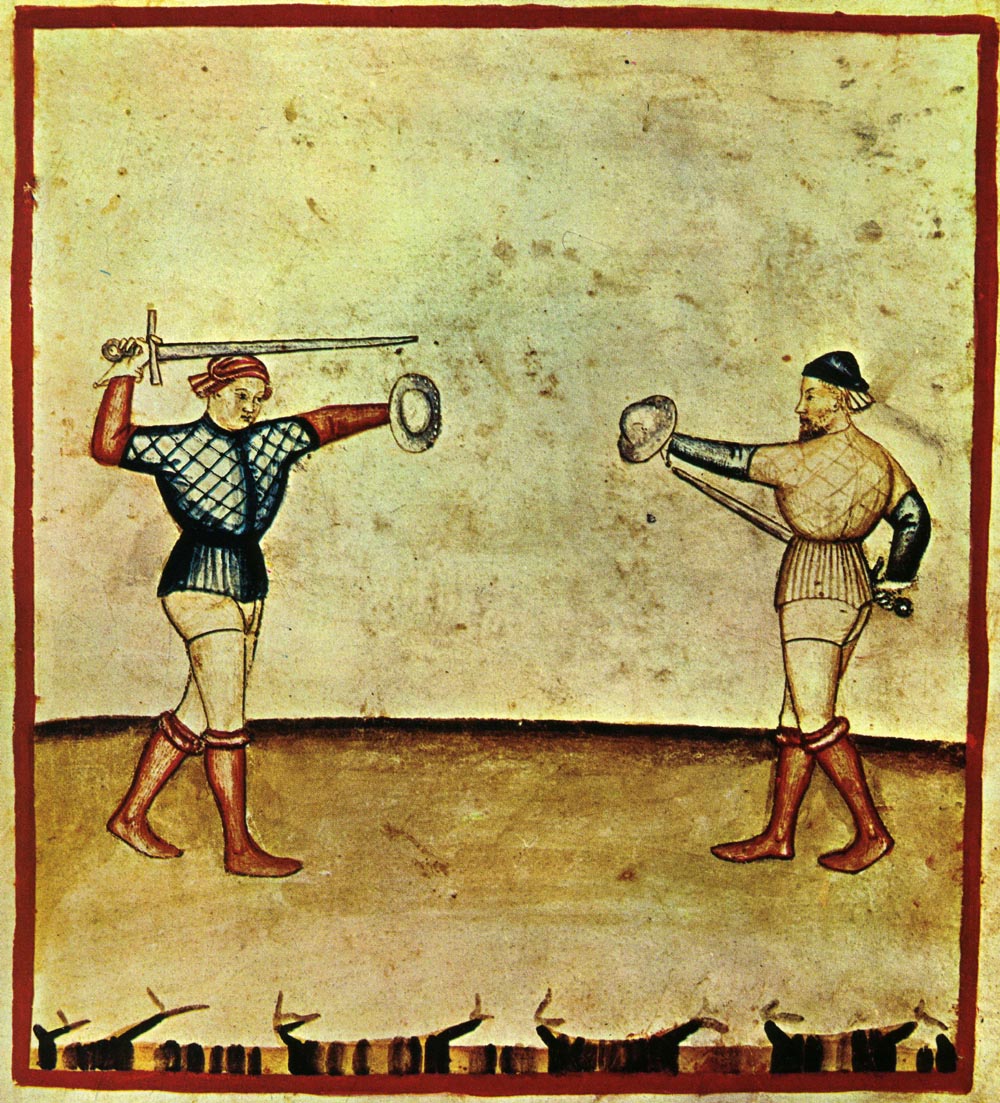
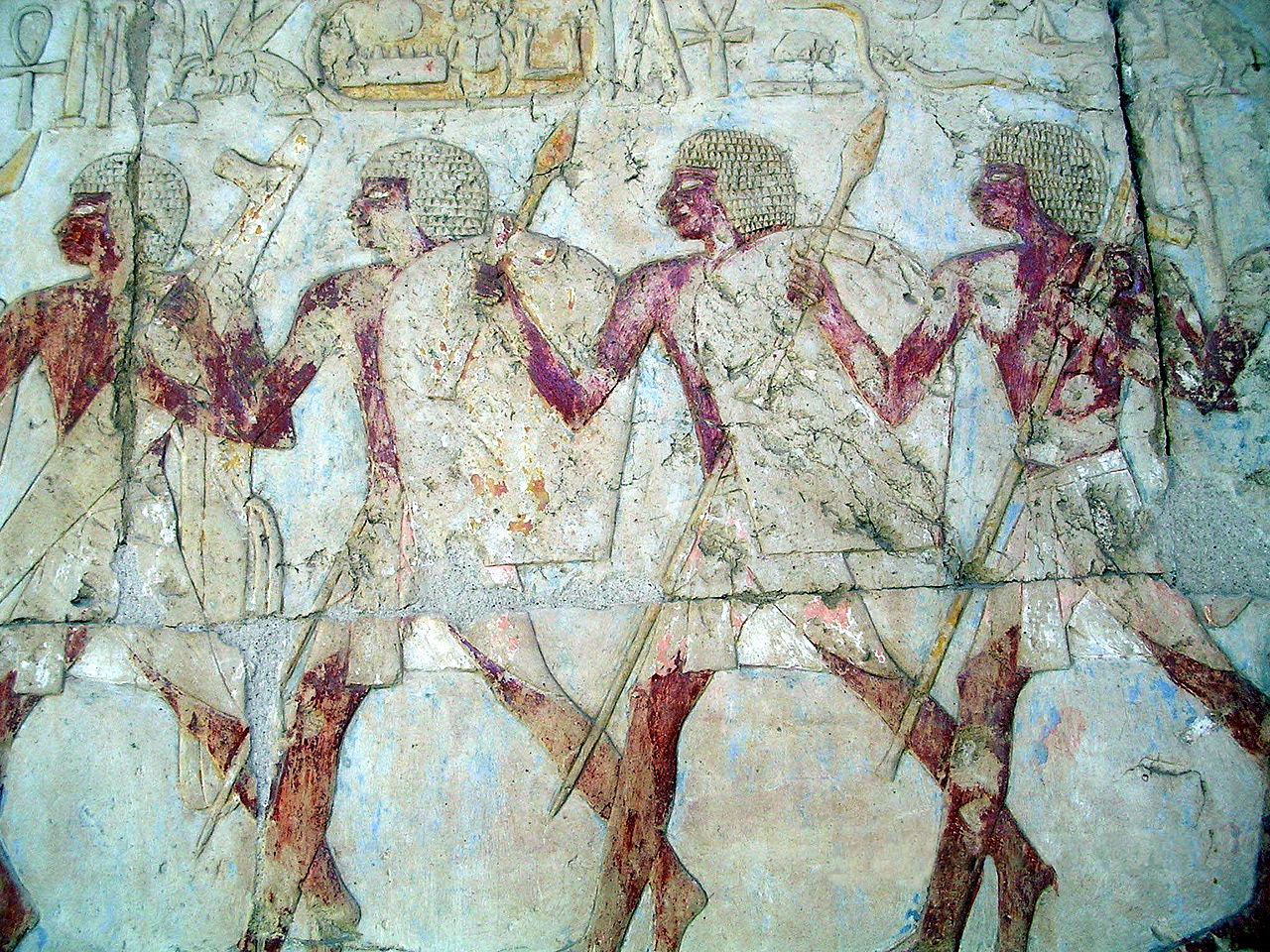
Shapes and sizes reflect role and period. Small round shields (bucklers) favour agility and close combat; kite and heater shapes offered limb coverage for cavalry; large rectangular or oval shields like the Roman scutum enabled unit cohesion and formation tactics; pavises shielded missile troops at rest. Components commonly include a face or body, a reinforced rim, grips or straps (enarmes), and sometimes a central boss for parrying.
Materials and construction
Early shields were wooden frames faced with hide or rawhide; metalworking introduced bronze and iron reinforcements. In later centuries steel and laminated constructions improved strength and reduced weight. Contemporary shields use high-strength polymers (for clear riot shields), fiber-reinforced composites, aramid fibres and ceramic composites for ballistic protection, often combined in layered assemblies to manage energy from impacts.
History and tactics
Shields are among the oldest defensive tools, present in prehistoric warfare and refined through antiquity and the Middle Ages to suit evolving tactics: shield walls, Greek phalanx formations and Roman testudo relied on coordinated use. The advent of effective firearms reduced the prevalence of large personal shields on open battlefields, though shields persisted in sieges, naval combat and as part of personal defense in close quarters.
Modern use and limitations
Today law enforcement and military units use riot shields for crowd control and transparent or composite ballistic shields for protection against projectiles and fragmentation. Ballistic shields are designed to meet standardized ratings that describe their protective capability. Shields trade coverage for weight: larger devices offer more protection but increase fatigue and reduce mobility. No shield is universally protective; performance depends on design, materials and the threat type.
Symbolic and fictional roles
Beyond physical use, shields are powerful cultural symbols (heraldic escutcheons carry coats of arms) and metaphors for defense in areas such as public health and cybersecurity. In fiction, energy shields and force fields serve as narrative devices to explore new tactical and ethical possibilities.
Related articles
Author
AlegsaOnline.com Shield (defensive device) Leandro Alegsa
URL: https://en.alegsaonline.com/art/89738